







How to Monitor Blood Sugar at Home Accurately
If you have diabetes or have recently been told your blood sugar levels are higher than normal, learning to monitor blood sugar at home is one of the most useful habits you can build. It helps you...
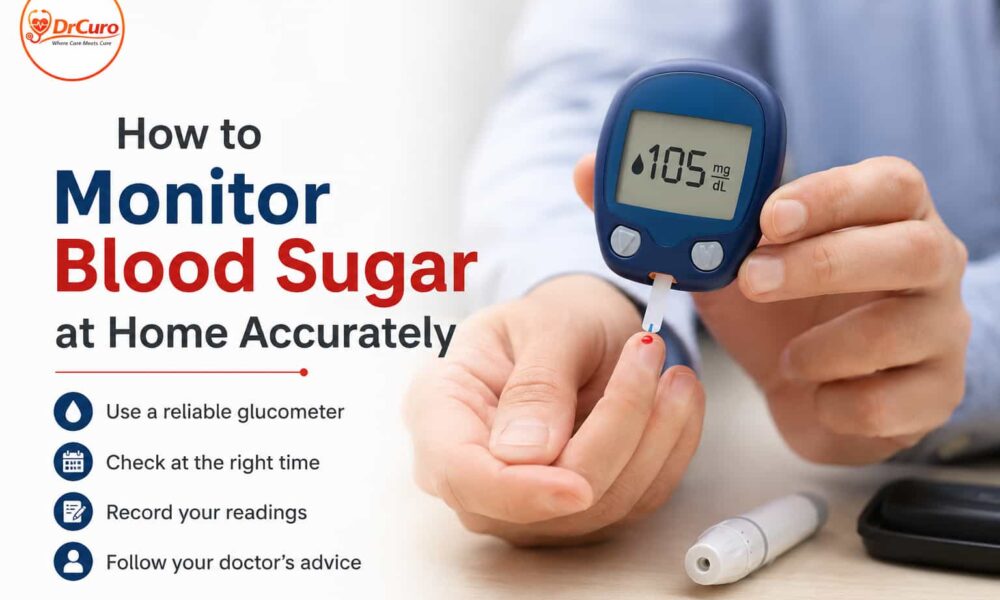
If you have diabetes or have recently been told your blood sugar levels are higher than normal, learning to monitor blood sugar at home is one of the most useful habits you can build. It helps you understand how your body reacts to food, exercise, stress, and medicines, and it gives your doctor the real data needed to fine-tune your diabetes treatment. Whether you have Type 1 diabetes, Type 2 diabetes, gestational diabetes, or prediabetes, checking your sugar levels correctly at home can help you avoid complications and stay in control of your health.
Table Of Content
Many people assume that testing blood sugar is complicated or painful, but modern glucometers are simple to use and give results within seconds. The real key is using the right technique and following a consistent schedule. Poor technique can lead to inaccurate readings, which in turn can lead to wrong decisions about food, medicine, or insulin dosage.
Why Monitor Blood Sugar at Home?
When you monitor blood sugar at home regularly, you get real-time information about your health instead of waiting days for a lab report. This immediate feedback lets you act quickly when something is off.
Key benefits include:
- Helps you understand whether your blood sugar is within a healthy range
- Shows how specific foods affect your glucose levels
- Tracks how well your current diabetes treatment is working
- Detects high blood sugar (hyperglycemia) early
- Identifies low blood sugar (hypoglycemia) before it becomes dangerous
- Helps your doctor adjust medicines or insulin doses accurately
- Reduces the risk of long-term diabetes complications
- Encourages healthier eating and lifestyle habits
- Supports better HbA1c levels over time
- Builds confidence to manage diabetes independently
Regular testing also reveals patterns. If your sugar is consistently high after breakfast or low before dinner, your doctor can adjust your meal plan or medication accordingly.
Who Should Monitor Blood Sugar at Home?
Not every person with diabetes needs to test daily, but many groups benefit significantly from regular home monitoring:
- People with Type 1 diabetes
- People with Type 2 diabetes
- Pregnant women with gestational diabetes
- Patients on insulin injections
- People taking medicines that can cause low blood sugar
- Individuals with poorly controlled diabetes
- Anyone experiencing frequent symptoms of high or low blood sugar
- People who have just started a new diabetes treatment plan
Your doctor will tell you exactly how often you should test based on your specific condition and treatment.
Equipment Needed for Home Blood Sugar Monitoring
| Equipment | Purpose |
| Glucometer | Measures blood sugar level |
| Test Strips | Used along with the glucometer |
| Lancet Device | Pricks the finger safely |
| Sterile Lancets | Used to draw a small blood sample |
| Alcohol Swab (Optional) | Cleans the finger before testing |
| Cotton Ball or Tissue | Stops bleeding after the test |
| Log Book or Mobile App | Records your blood sugar readings |
Always check the expiry date on your test strips. Expired strips can give you inaccurate readings without any visible warning.
Step-by-Step Guide to Check Blood Sugar Correctly
Step 1: Wash Your Hands
Wash your hands thoroughly with soap and warm water to remove dirt, food particles, sugar residue, or lotion that could affect your result. Dry your hands completely before testing.
Step 2: Prepare the Glucometer
Insert a fresh test strip into the device according to the manufacturer’s instructions. Most modern glucometers turn on automatically once a strip is inserted.
Step 3: Prepare the Lancet Device
Insert a new sterile lancet into the lancing device and adjust the depth setting based on your skin thickness. People with sensitive skin usually need a shallower setting.
Step 4: Choose the Right Finger
Prick the side of your fingertip instead of the center, since this area is less sensitive and still gives enough blood. Rotate fingers daily to prevent soreness.
Step 5: Obtain a Blood Drop
Press the lancing device gently against the side of your finger until a small drop of blood forms naturally. Avoid squeezing too hard, as this can dilute the sample and affect accuracy.
Step 6: Apply Blood to the Test Strip
Touch the edge of the strip to the blood drop and let it absorb automatically. Your glucometer will display the reading within a few seconds.
Step 7: Record the Reading
Note down the date, time, blood sugar level, whether it was before or after a meal, medicines taken, exercise performed, and any unusual symptoms. This record becomes an important tool when your doctor reviews your diabetes treatment.
Tips for More Accurate Blood Sugar Readings
- Wash your hands before every single test
- Never use expired test strips
- Store strips in a cool, dry place away from moisture
- Keep your glucometer clean and free of dust
- Use a new lancet for every test
- Test at the same time each day where possible
- Follow the exact testing schedule your doctor recommends
- Replace the meter battery as soon as it runs low
- Protect the device from extreme heat and humidity
- Carry extra strips and batteries while traveling
Following these habits consistently will give you readings you can actually trust and act on.
Best Time to Monitor Blood Sugar at Home
Your testing schedule depends on your type of diabetes, medication, and your doctor’s recommendation. The most common testing times include:
- Early morning before breakfast (fasting blood sugar)
- Before meals
- Two hours after meals (post-meal blood sugar)
- Before going to bed
- Before and after exercise
- Whenever you feel symptoms of low blood sugar
- During illness or fever
- Before driving long distances if you’re on insulin
Recommended Blood Sugar Levels
| Blood Sugar Test | Recommended Range |
| Fasting (Before Breakfast) | 80–130 mg/dL |
| Before Meals | 80–130 mg/dL |
| Two Hours After Meals | Less than 180 mg/dL |
| Bedtime | Around 100–140 mg/dL (may vary) |
| HbA1c Goal | Usually below 7% (as advised by your doctor) |
These are general targets. Your actual numbers may differ depending on age, pregnancy, other health conditions, and your specific diabetes treatment plan, so always confirm your personal target range with your doctor.
Understanding Your Blood Sugar Readings
A single high or low reading does not automatically mean your diabetes is out of control. What matters more is the pattern over several days or weeks.
For example:
- Consistently high fasting sugar every morning may point to your evening meal, medication timing, or hormonal changes overnight
- High readings after lunch often suggest your meal contains too many refined carbohydrates
- Low sugar before dinner might mean you need a small snack or a medication adjustment
Keeping a written record helps your doctor spot these patterns quickly and refine your diabetes treatment accordingly.
Factors That Can Affect Blood Sugar Readings
| Factor | Effect on Blood Sugar |
| Eating a large meal | Usually increases blood sugar |
| Skipping meals | May lower blood sugar |
| Exercise | Often lowers blood sugar |
| Stress | Can increase blood sugar |
| Fever or infection | Usually raises blood sugar |
| Poor sleep | May increase blood sugar |
| Certain medicines | Can increase or decrease blood sugar |
| Dehydration | May cause higher readings |
| Alcohol | May lower blood sugar several hours later |
Understanding these factors helps you avoid unnecessary panic when a reading looks unusual.
Common Mistakes While Checking Blood Sugar
- Not washing hands before testing
- Using expired test strips
- Reusing old lancets multiple times
- Squeezing the finger too hard to force out blood
- Applying too little blood to the strip
- Storing strips in a humid or hot place
- Testing right after handling fruit or sugary food without washing hands
- Ignoring the manufacturer’s instructions
- Forgetting to calibrate older glucometer models
- Not recording readings at all
Avoiding these simple mistakes significantly improves the accuracy of your results and helps your doctor make better decisions about your diabetes treatment.
Signs of High Blood Sugar (Hyperglycemia)
- Frequent urination
- Increased thirst
- Blurred vision
- Dry mouth
- Tiredness
- Headache
- Slow healing of cuts and wounds
- Frequent infections
- Dry skin
- Unexplained weight loss in some cases
Signs of Low Blood Sugar (Hypoglycemia)
- Sudden sweating
- Shaking
- Fast heartbeat
- Hunger
- Dizziness
- Weakness
- Blurred vision
- Difficulty concentrating
- Confusion
- Irritability
If your blood sugar drops below the level advised by your doctor, consume a fast-acting sugar source such as glucose tablets, fruit juice, or a regular (non-diet) soft drink, and recheck after about 15 minutes.
How Often Should You Replace Testing Supplies?
| Item | Replacement Guide |
| Lancet | Use a new one for every test |
| Test Strips | Before the expiry date only |
| Glucometer Battery | Replace as soon as it runs low |
| Glucose Meter | As recommended by the manufacturer, or if damaged |
| Lancing Device Cap | Clean regularly and replace if worn out |
How to Maintain a Blood Sugar Log
A written or digital log lets you compare readings over days, weeks, or months instead of relying on memory. Your log should include:
- Date and time of the test
- Blood sugar reading
- Before or after meal
- Medicines or insulin taken
- Meals or snacks eaten
- Physical activity performed
- Any symptoms noticed
- Notes on illness, stress, or poor sleep
Sample Blood Sugar Record
| Date | Time | Blood Sugar | Before/After Meal | Notes |
| Monday | 7:00 AM | 105 mg/dL | Before Breakfast | Fasting |
| Monday | 2:00 PM | 165 mg/dL | After Lunch | Normal meal |
| Monday | 10:00 PM | 118 mg/dL | Before Bed | Evening walk completed |
A simple table like this makes it much easier to spot trends and adjust your routine.
When Should You Contact Your Doctor?
- Blood sugar remains consistently above your target range
- Blood sugar is frequently lower than recommended
- You experience repeated episodes of hypoglycemia
- You notice symptoms of very high blood sugar, such as excessive thirst or blurred vision
- You cannot control your blood sugar despite following your prescribed diabetes treatment
- You’re sick with fever, vomiting, or diarrhea and your sugar becomes hard to manage
- Your glucometer repeatedly shows readings that don’t match how you feel
- You have wounds that heal slowly or show signs of infection
Lifestyle Habits That Support Healthy Blood Sugar Levels
- Eat meals at regular times
- Include whole grains, vegetables, fruits, pulses, and lean protein in your diet
- Limit sugary foods, sweets, and sweetened beverages
- Stay physically active with walking, cycling, or yoga
- Drink enough water throughout the day
- Get 7–8 hours of quality sleep
- Manage stress through meditation or deep breathing
- Avoid smoking and limit alcohol
- Take medicines exactly as prescribed
- Attend regular check-ups and HbA1c testing
Myths and Facts About Home Blood Sugar Monitoring
| Myth | Fact |
| Blood sugar only needs checking when symptoms appear | Regular monitoring detects changes before symptoms develop |
| One high reading means diabetes is uncontrolled | A single reading isn’t enough; doctors look for patterns over time |
| Home glucometers aren’t accurate | Used correctly, they give reliable results |
| People on tablets don’t need monitoring | Many people on oral medicines also benefit from regular checks |
| Finger pricks are always painful | Modern lancing devices make testing quick and far less painful |
| Once sugar is controlled, testing isn’t needed | Regular monitoring helps maintain control and catch future changes |
Frequently Asked Questions (FAQs)
1. How many times should I check my blood sugar each day?
It depends on your type of diabetes, your medications, and your doctor’s advice. Some people test several times a day, while others only need a few checks a week.
2. Can I reuse the same lancet more than once?
It’s best to use a new sterile lancet for every test. Reusing lancets makes pricks more painful and raises infection risk.
3. What should I do if my reading is unusually high?
Wash your hands and retest to confirm. If it stays high or you develop symptoms, contact your doctor.
4. Does exercise affect blood sugar?
Yes, physical activity generally lowers blood sugar, though the effect varies by person. Testing before and after exercise helps you understand your own response.
5. Can stress raise blood sugar?
Yes. Emotional stress and illness commonly cause blood sugar to rise in people with diabetes.
6. Is a lab test still necessary if I monitor blood sugar at home?
Yes. Home monitoring and lab tests like HbA1c serve different purposes HbA1c reflects your average sugar over the past two to three months, while home testing shows your current level.
Conclusion
Learning to monitor blood sugar at home accurately is one of the most effective things you can do to stay on top of your health. By testing at the right times, using correct technique, keeping a proper record, and following healthy daily habits, you give yourself and your doctor the information needed to fine-tune your diabetes treatment and reduce long-term risk. If you’re looking for reliable guidance and personalized support for your diabetes care, DrCuro is here to help with trusted medical advice and patient-focused treatment plans to help you live a healthier life.








No Comment! Be the first one.