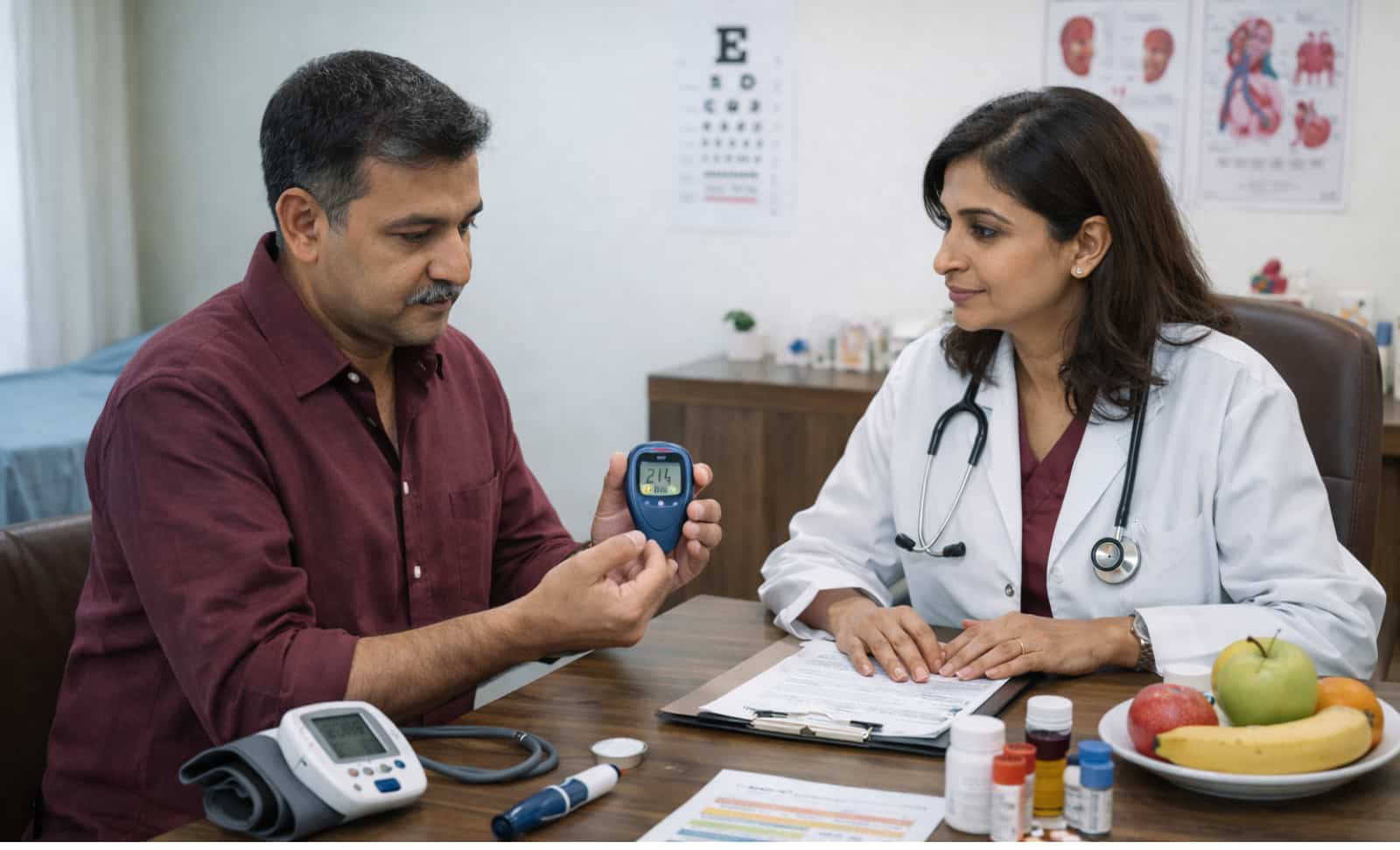
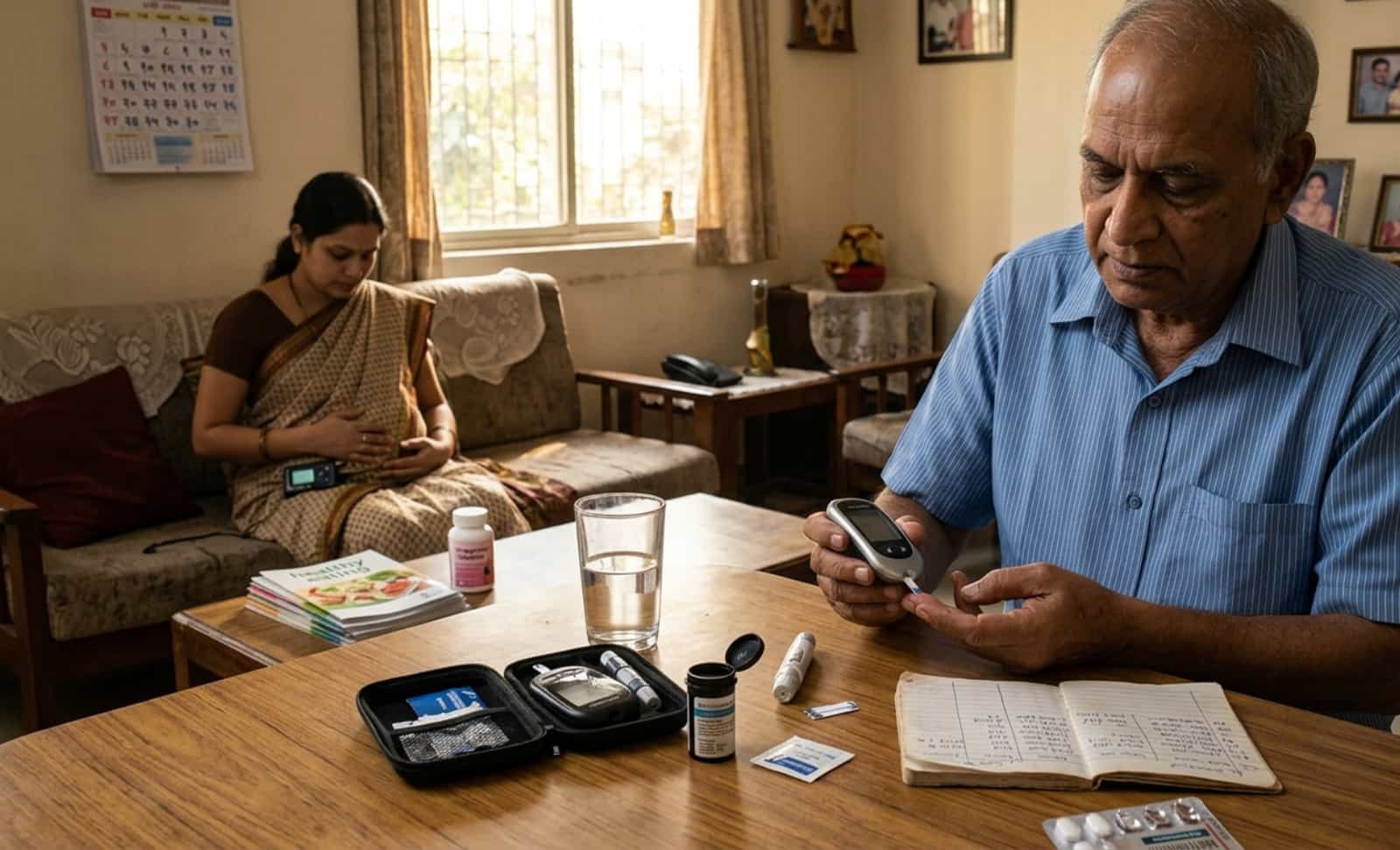
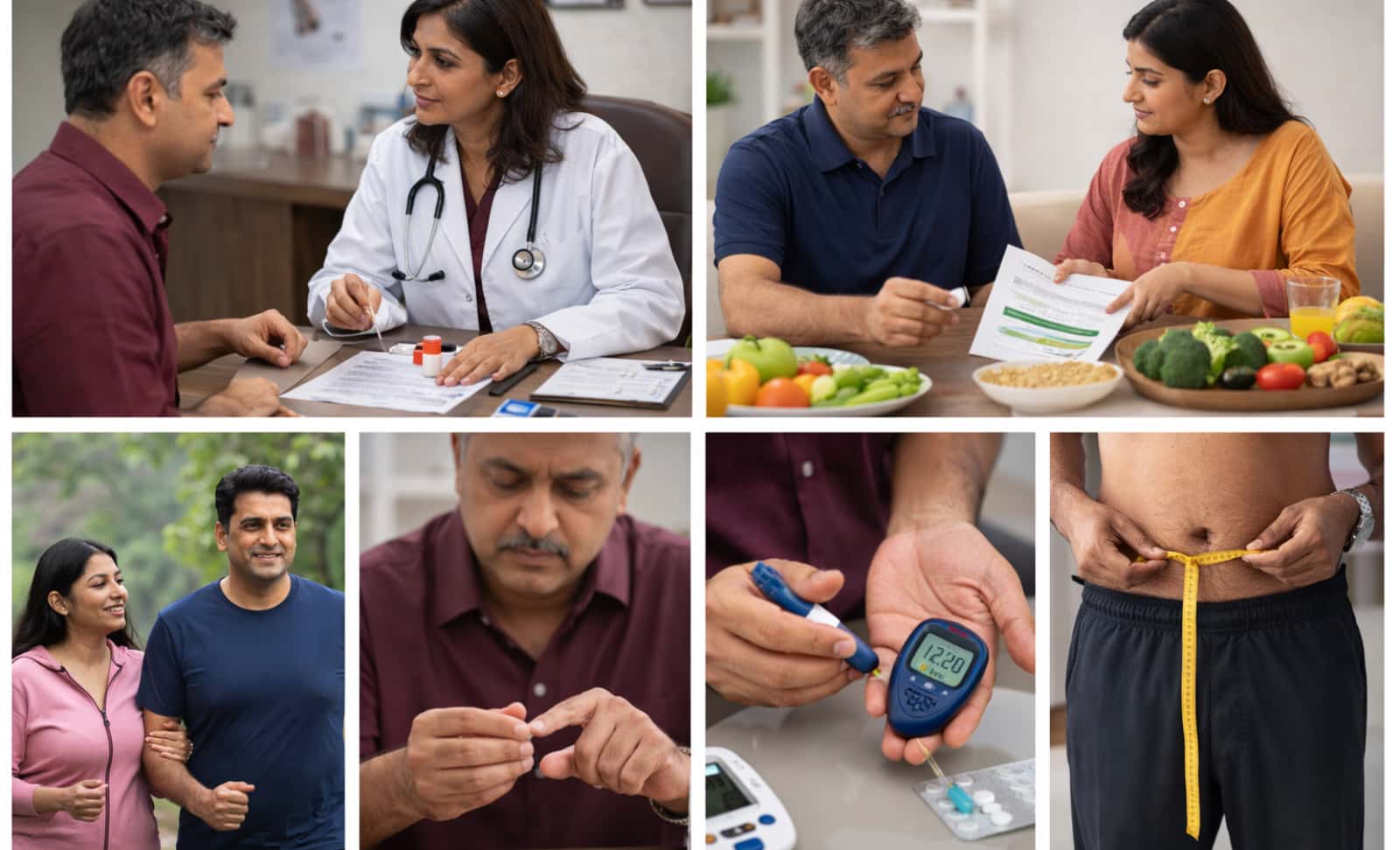
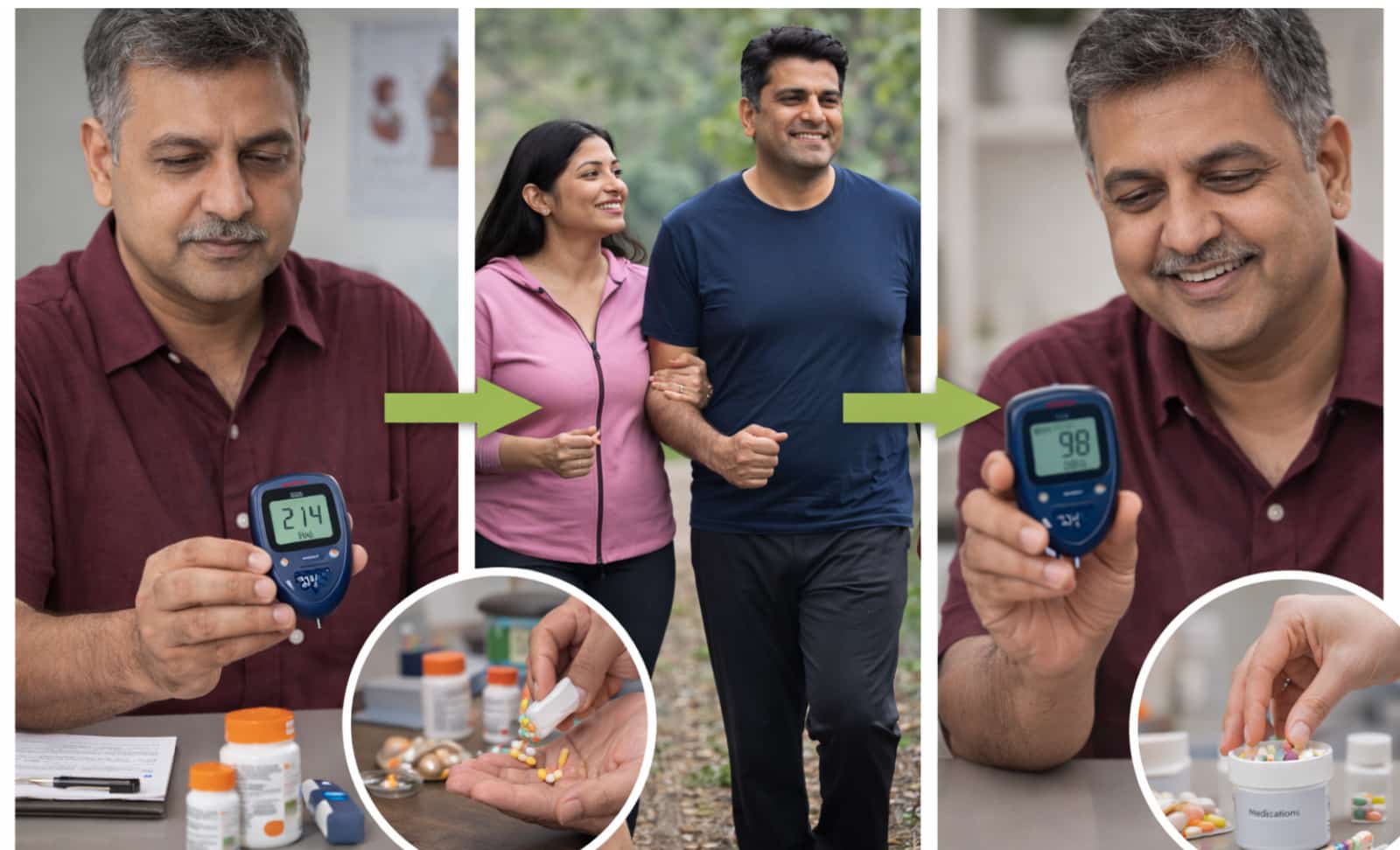
Diabetes is no longer just a lifestyle disease of the elderly. In India today, over 101 million people live with diabetes – and millions more are in the pre-diabetic stage without knowing it. What makes diabetes particularly dangerous is not the condition itself, but the complications it quietly causes when left unmanaged – damage to kidneys, eyes, nerves, and the heart.
At Dr Curo, we approach diabetes treatment in India differently. We do not just prescribe medication and send you home. We build a complete, personalised management plan that addresses blood sugar, lifestyle, nutrition, complications, and long-term health – all under one roof.
Diabetes is a chronic metabolic condition in which the body either does not produce enough insulin or cannot effectively use the insulin it produces. This results in elevated blood glucose levels that, over time, damage blood vessels and nerves throughout the body.
There are three primary types:
Read: Type 1 vs Type 2 Diabetes Difference – What Every Patient Should Know
Many people live with diabetes for years before receiving a diagnosis. Recognising symptoms early makes an enormous difference in long-term outcomes.
Common symptoms include:
Read: Diabetes Symptoms in Adults – Early Warning Signs You Should Not Ignore
A proper diagnosis requires specific blood tests. Self-diagnosis based on symptoms alone is never sufficient.
Test | Normal Range | Pre-Diabetes | Diabetes |
Fasting Blood Glucose | Below 100 mg/dL | 100–125 mg/dL | 126 mg/dL or above |
Post-meal (2 hours) | Below 140 mg/dL | 140–199 mg/dL | 200 mg/dL or above |
HbA1c | Below 5.7% | 5.7–6.4% | 6.5% or above |
Read: HbA1c Normal Range India – What Your Three-Month Average Tells You
Read: Fasting Glucose Levels Normal – How to Read Your Blood Sugar Report
Read: Blood Sugar After Eating Normal – What Postprandial Numbers Mean
Read: Diabetes Test Types India – Which Test Is Right for You?
Type 2 diabetes is the most prevalent form of the condition in India and is also the most amenable to treatment and even reversal with the right approach. Treatment is never one-dimensional — it combines medication, nutrition, physical activity, weight management, and monitoring.
Read: Type 2 Diabetes Treatment India — A Complete Management Guide
The most commonly prescribed first-line medication for type 2 diabetes in India is Metformin. Newer drug classes such as SGLT2 inhibitors and GLP-1 receptor agonists are now increasingly available and offer additional cardiovascular and kidney benefits beyond glucose control.
Read: Metformin Side Effects India – What Patients Commonly Experience
Read: SGLT2 Inhibitors Diabetes India – The New Generation of Diabetes Medications
Read: Diabetes Medication Comparison – Which Drug Is Right for Your Profile?
Read: New Diabetes Treatments 2024 – What Has Changed in Diabetes Care
When oral medications are insufficient, insulin therapy becomes necessary. Modern insulin regimens are far more flexible and manageable than most patients expect.
Read: Insulin Therapy for Diabetes – Types, Doses and What to Expect
Pre-diabetes is a critical stage where blood sugar levels are elevated but not yet in the diabetic range. With the right intervention, the progression to full diabetes can be delayed or completely prevented.
Read: Pre-Diabetes Treatment India – Reversing the Trend Before It Becomes Diabetes
Read: Diabetes Prevention Tips India – Practical Steps That Make a Difference
This is one of the most common questions we receive at Dr Curo. The honest answer is – yes, for type 2 diabetes in the early to moderate stages, significant improvement or clinical remission is achievable through structured lifestyle intervention and medical support.
Reversal does not mean the underlying predisposition disappears. It means blood sugar levels return to normal without medication and stay there – which is a meaningful and life-changing outcome.
Read: Diabetes Reversal Possible in India – What the Evidence Says
Nutrition is at the core of diabetes management. The challenge for Indian patients is that our traditional diet is carbohydrate-heavy — rice, roti, dal, and sweets form the backbone of most meals. Managing diabetes does not mean abandoning Indian food. It means understanding how to eat it smarter.
Read: Diabetes Diet Chart India – A Practical Indian Meal Plan
Read: Low Carb Diet for Diabetics – Can It Work for Indian Eating Habits?
Read: Sugar Free Foods for Diabetics India – What to Buy and What to Avoid
Read: Diabetes Friendly Indian Recipes – Meals That Are Both Healthy and Satisfying
Read: Eating Out with Diabetes Tips – How to Make Smart Choices at Restaurants
Regular physical activity is one of the most powerful tools for blood sugar management. Exercise improves insulin sensitivity, supports weight management, and reduces cardiovascular risk.
Read: Diabetes Exercise Benefits – How Movement Changes Your Glucose Response
Read: Yoga for Diabetes Control – Which Practices Have Evidence Behind Them
Consistent self-monitoring gives both patients and doctors the real-time information needed to adjust treatment effectively. It is one of the most empowering habits a person with diabetes can develop.
Read: Blood Sugar Monitoring at Home – Devices, Frequency and What to Track
Read: Continuous Glucose Monitor India – Is CGM Right for You?
Read: Diabetes Management App India – How Technology Supports Better Control
Beyond medication, several evidence-based natural strategies support blood sugar control. These are not replacements for medical treatment but powerful additions to it.
Read: How to Control Blood Sugar Naturally – Lifestyle Strategies That Work
Read: Intermittent Fasting for Diabetics – Is It Safe and Does It Work?
Read: Ayurvedic Remedies for Diabetes – What Has Evidence and What Doesn’t
Read: Weight Loss and Diabetes Management – Why Even 5% Makes a Difference
Uncontrolled diabetes silently damages multiple organ systems over time. Early identification and proactive management of complications saves lives.
1. Diabetic Neuropathy Nerve damage from diabetes causes pain, tingling, and numbness – most commonly in the feet and hands.
Read: Diabetic Neuropathy Treatment India – Diagnosis and Management Options
2. Diabetic Retinopathy High blood sugar damages the tiny blood vessels in the retina, leading to vision loss if untreated.
Read: Diabetic Retinopathy Treatment – Protecting Your Vision from Diabetes
3. Kidney Disease The kidneys are among the first organs affected by long-term diabetes. Early detection through urine and blood tests is critical.
Read: Diabetic Kidney Disease Management – How to Protect Kidney Function
4. Diabetes and Heart Disease People with diabetes have a significantly higher risk of heart attack and stroke. Managing cardiovascular risk is an essential part of diabetes care.
Read: Diabetes and Heart Disease Link – Why the Heart Is Always at Risk
5. Diabetes Foot Care Poor circulation and nerve damage make the feet particularly vulnerable in diabetes. Small wounds that go unnoticed can escalate rapidly.
Read: Diabetes Foot Care Tips – Daily Habits That Prevent Serious Complications
6. Skin Problems in Diabetes Skin changes – dryness, infections, dark patches – are often early indicators of poor glucose control.
Read: Skin Problems in Diabetics – What They Signal and How to Manage Them
7. Hypoglycemia Low blood sugar episodes can be dangerous, especially for patients on insulin or certain oral medications. Knowing the symptoms and how to respond is essential.
Read: Hypoglycemia Symptoms Treatment – What to Do When Sugar Drops Too Low
8. Complications Prevention Read: Diabetes Complications Prevention – A Proactive Checklist for Every Patient
1.Gestational Diabetes Blood sugar elevation during pregnancy requires careful management to prevent complications for both mother and baby.
Read: Gestational Diabetes Treatment – Protecting Mother and Baby Through Pregnancy
Read: Diabetes During Pregnancy Risks – What Every Expectant Mother Should Know
2. Diabetes in Children Type 1 and increasingly type 2 diabetes are being diagnosed in younger patients in India.
Read: Diabetes in Children India – Diagnosis, Treatment and Family Support
3. Stress and Blood Sugar Emotional and physical stress directly elevates cortisol, which in turn raises blood sugar – a connection many patients are unaware of.
Read: Stress and Blood Sugar Spikes – The Cortisol-Glucose Connection Explained
4. Dawn Phenomenon Some patients experience elevated morning blood sugar even without eating overnight. Understanding why helps adjust treatment effectively.
Read: Dawn Phenomenon Diabetes Management – Why Morning Sugars Are High
5. Alcohol and Diabetes Alcohol affects blood sugar in unpredictable ways and interacts with several diabetes medications.
Read: Alcohol and Diabetes Effects – What Is Safe and What to Avoid
6. Traveling with Diabetes Managing medication schedules, food choices, and monitoring while traveling requires advance planning.
Read: Traveling with Diabetes Tips – A Practical Guide for Indian Patients
For patients with type 2 diabetes and significant obesity, bariatric surgery can achieve dramatic and sustained blood sugar improvements — often leading to complete remission.
Read: Bariatric Surgery for Diabetes – Who Is a Candidate and What to Expect
Diabetes has a strong hereditary component. Understanding your genetic risk helps with earlier screening and more aggressive prevention.
Read: Diabetes Genetic Risk Factors – How Family History Shapes Your Probability
The cost of diabetes treatment in India varies depending on the stage of the condition, medications required, and whether complications are present.
Service | Approximate Cost (INR) |
Initial diabetes consultation | ₹500 – ₹1,500 |
Complete diabetes workup | ₹3,000 – ₹8,000 |
HbA1c test | ₹300 – ₹600 |
Monthly medication (Metformin) | ₹200 – ₹800 |
Continuous glucose monitor | ₹3,000 – ₹6,000/month |
Annual complications screening | ₹5,000 – ₹15,000 |
Read: Diabetes Care Package Cost India – What Comprehensive Management Actually Costs
Managing diabetes well requires more than a prescription. It requires a team – an endocrinologist, a dietitian, a diabetes educator, and a care coordinator who stays with you through every stage of your journey.
At Dr Curo, that team exists.
Read: Best Diabetes Doctor Near Me – What to Look for in a Diabetes Specialist
Read: Diabetes Specialist Endocrinologist – When to See a Specialist Instead of a GP
Read: Diabetes Specialist Consultation Online – How to Book at Dr Curo
Q: Can type 2 diabetes be reversed in India?
A: Clinical remission of type 2 diabetes is achievable for many patients through structured weight loss, dietary changes, and medical supervision. Dr Curo offers a dedicated diabetes reversal programme for eligible patients.
Q: What is the normal HbA1c range in India?
A: An HbA1c below 5.7% is considered normal. Between 5.7% and 6.4% indicates pre-diabetes. 6.5% and above confirms diabetes.
Q: Is diabetes treatment in India affordable?
A: Yes. India offers high-quality diabetes care at a fraction of what it costs in Western countries. At Dr Curo, we offer transparent care packages with no hidden costs.
Q: How often should a diabetic patient visit their doctor?
A: For well-controlled diabetes, every 3 months is standard. Patients with complications or unstable sugar levels may need monthly review.
Q: What is the best diet for a diabetic patient in India?
A: A diet rich in fibre, low in refined carbohydrates, and moderate in protein works best. Indian foods like dal, vegetables, millets, and curd can all be part of a healthy diabetic diet with the right portions.
Q: Can children get diabetes in India?
A: Yes. Type 1 diabetes is increasingly diagnosed in Indian children, and type 2 is now seen in adolescents with obesity and sedentary habits.
Q: Is insulin the only option for advanced diabetes?
A: No. Newer injectable therapies such as GLP-1 receptor agonists offer additional benefits. Insulin is one of several advanced treatment options, not the only one.
Diabetes treatment in India has advanced significantly. From continuous glucose monitors to diabetes reversal programmes to newer medications that protect both the heart and kidneys – the options available today are far more powerful than what existed even five years ago.
At Dr Curo, you get access to all of it – delivered by specialists who take the time to understand your individual case.
Book your free diabetes consultation today.
Call us | Chat with us online | Book appointment at drcuro.com
Our site uses cookies. By using this site, you agree to the Privacy Policy and Terms of Use.