






Type 2 Diabetes Treatment in India: Complete Guide
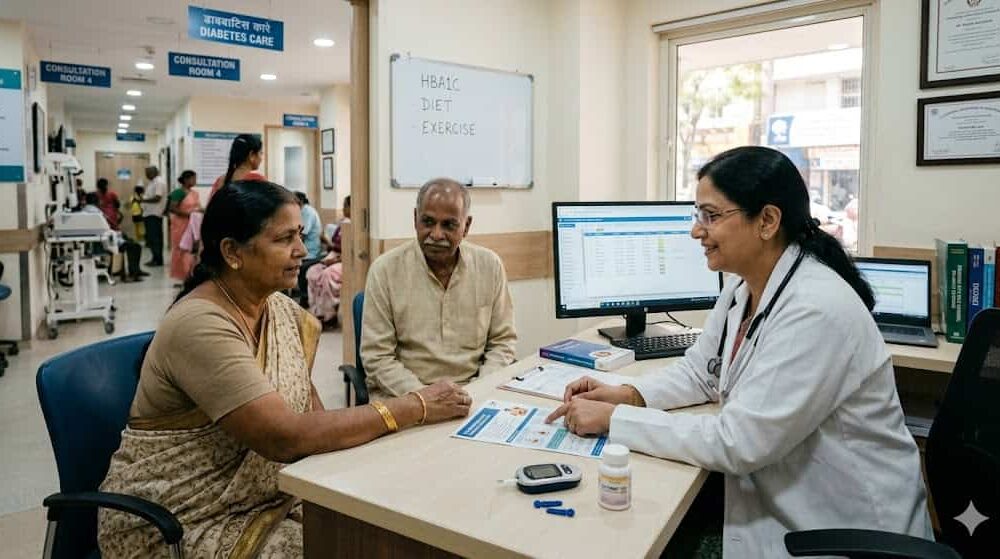
Have you recently been diagnosed with type 2 diabetes, or have you been managing it for years without seeing the desired results? At Dr Curo, queries related to diabetes treatment India are among the...
Have you recently been diagnosed with type 2 diabetes, or have you been managing it for years without seeing the desired results?
Table Of Content
- What is Type 2 Diabetes?
- How Common is Type 2 Diabetes in India?
- Type 2 Diabetes vs Type 1 Diabetes — Simple Comparison
- Type 2 Diabetes Treatment in India — Explained in Detail
- Treatment 1 — Lifestyle Changes (First Line of Defence)
- Treatment 2 — Oral Medications
- Treatment 3 — Injectable Medications (Non-Insulin)
- Treatment 4 — Insulin Therapy
- Treatment 5 — Continuous Glucose Monitoring (CGM)
- Treatment 6 — Bariatric Surgery (for Eligible Patients)
- Treatment 7 — Diabetes Reversal Programs
- Type 2 Diabetes Treatment Success Rates in India
- Types of Diabetes Care Plans at Dr Curo
- Cost of Type 2 Diabetes Treatment in India
- Side Effects and Risks of Diabetes Medications
- Common and manageable
- Less common but important
- Emotional Impact of Living with Type 2 Diabetes
- How Long Does Diabetes Treatment Take to Work?
- Tips to Support Your Diabetes Treatment Naturally
- Frequently Asked Questions
- Dr Curo is With You Every Step
At Dr Curo, queries related to diabetes treatment India are among the most frequently addressed. Diabetes is one of the fastest-growing chronic conditions in the country, yet many individuals continue treatment without a clear, structured approach. This often leads to reduced effectiveness of medications, preventable complications, and a gradual decline in overall health and quality of life.
This guide provides a comprehensive overview of type 2 diabetes management, covering essential lifestyle modifications, advanced treatment options, potential reversal strategies, and long-term care presented in a clear and easy-to-understand format by the experts at Dr Curo.
What is Type 2 Diabetes?
Type 2 diabetes is a long-term condition in which the body either does not produce enough insulin or does not use insulin properly a problem called insulin resistance.
Insulin is a hormone made by the pancreas. Its job is to act like a key that unlocks cells and allows glucose (sugar from food) to enter and be used as energy. In type 2 diabetes, this key either does not work properly or the pancreas does not make enough of it. The result is that glucose builds up in the bloodstream instead of entering the cells leading to high blood sugar levels that, over time, damage the heart, kidneys, nerves, eyes, and blood vessels.
The word “type 2” distinguishes it from type 1 diabetes, which is an autoimmune condition present from childhood. Type 2 develops gradually usually in adulthood and is strongly linked to lifestyle, diet, weight, and family history.
At Dr Curo, we treat type 2 diabetes not just as a condition to manage but as one that can, in many cases, be significantly improved or even reversed with the right approach.
How Common is Type 2 Diabetes in India?
India has earned the unfortunate title of the “diabetes capital of the world” and the numbers are sobering:
- Over 101 million people in India currently live with diabetes the highest number of any country in the world
- Another 136 million Indians have prediabetes and are at serious risk of developing type 2 diabetes
- India accounts for approximately 17% of the global diabetes burden
- Type 2 diabetes accounts for over 90% of all diabetes cases in India
- Urban Indians have nearly double the diabetes prevalence of rural populations
- The average age of diabetes onset in India is 10–15 years younger than in Western countries Indians develop the condition in their 40s, not their 50s or 60s
- Only about half of people with diabetes in India are diagnosed millions remain unaware
At Dr Curo, early detection and structured treatment are the most powerful tools we have. The earlier type 2 diabetes is caught and treated, the better the long-term outcomes.
Type 2 Diabetes vs Type 1 Diabetes — Simple Comparison
| Feature | Type 2 Diabetes | Type 1 Diabetes |
| Cause | Insulin resistance + insufficient insulin | Autoimmune body destroys insulin-producing cells |
| Age of onset | Usually adult 30s, 40s, 50s | Usually childhood or young adulthood |
| Onset speed | Gradual develops over years | Rapid symptoms appear quickly |
| Insulin required | Not always many manage without insulin | Always insulin is essential for survival |
| Lifestyle factor | Strongly linked to diet, weight, inactivity | Not caused by lifestyle |
| Reversible? | Yes — partially or fully in many cases | No — lifelong condition |
| Most common in India | Yes — over 90% of diabetes cases | Rare — less than 10% of cases |
| Treatment at Dr Curo | Lifestyle, oral meds, injectables, insulin, reversal programs | Insulin management and monitoring |
Most people who come to Dr Curo for diabetes care have type 2 and the treatment options are far more varied and promising than most patients realise when they first walk through our doors.
Type 2 Diabetes Treatment in India — Explained in Detail
Treatment 1 — Lifestyle Changes (First Line of Defence)
Before any medication is even considered, lifestyle change is the most powerful tool available for type 2 diabetes treatment in India. This is not just a suggestion it is the medical foundation of every diabetes care plan at Dr Curo.
For many patients with newly diagnosed or mild type 2 diabetes, structured lifestyle changes alone can bring blood sugar levels back to a normal range without any medication at all.
The three pillars of lifestyle treatment are diet, physical activity, and weight management.
Diet changes that make the biggest difference:
- Reducing refined carbohydrates — white rice, white bread, maida products, sugary snacks and drinks
- Increasing fibre — vegetables, legumes, whole grains, and fruits (in moderation)
- Choosing healthy fats — nuts, seeds, avocado, and olive oil instead of fried and processed foods
- Controlling portion sizes — eating smaller meals more frequently to prevent blood sugar spikes
- Reducing sugar in all forms — not just table sugar but hidden sugars in packaged foods, juices, and condiments
Physical activity targets:
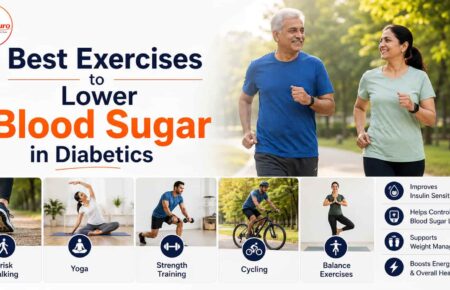
- A minimum of 150 minutes of moderate exercise per week brisk walking, cycling, or swimming
- Resistance training (weights or bodyweight exercises) at least twice a week to improve insulin sensitivity
- Breaking up long periods of sitting even a 10-minute walk after meals significantly reduces post-meal blood sugar
Weight management:
- Losing even 5–10% of body weight can produce dramatic improvements in blood sugar control
- In patients with significant obesity, weight loss can lead to diabetes remission blood sugar returning to normal without medication
At Dr Curo, every patient receives a personalised nutrition and activity plan designed around their lifestyle, food preferences, and health status not a generic handout.
Treatment 2 — Oral Medications
When lifestyle changes alone are not sufficient, oral medications are the next step in type 2 diabetes treatment in India. There are several classes of oral diabetes medications, each working in a different way.
Metformin — the first choice for most patients:
Metformin is the most widely prescribed diabetes medication in India and worldwide. It works by reducing the amount of glucose the liver releases into the bloodstream and improving the body’s sensitivity to insulin. It does not cause weight gain and is extremely well tolerated by most patients. At Dr Curo, metformin is the starting point for the majority of type 2 diabetes patients who need medication.
Other commonly used oral medications:
- SGLT2 inhibitors (Empagliflozin, Dapagliflozin) — cause the kidneys to remove excess glucose through urine. Also protect the heart and kidneys, making them an excellent choice for patients with cardiovascular risk.
- DPP-4 inhibitors (Sitagliptin, Vildagliptin) — help the body produce more insulin after meals. Well tolerated with a low risk of low blood sugar (hypoglycaemia).
- Sulphonylureas (Glimepiride, Glipizide) — stimulate the pancreas to produce more insulin. Effective but can cause weight gain and low blood sugar if not monitored carefully.
- Thiazolidinediones (Pioglitazone) — improve insulin sensitivity in muscle and fat tissue. Less commonly used today due to some side effect concerns.
- Alpha-glucosidase inhibitors (Acarbose) — slow the absorption of carbohydrates from the gut, reducing post-meal sugar spikes.
At Dr Curo, your doctor selects the right combination of oral medications based on your HbA1c level, kidney function, cardiovascular risk, weight, and lifestyle not simply the cheapest or most common option.
Treatment 3 — Injectable Medications (Non-Insulin)
A significant step forward in type 2 diabetes treatment in India has been the arrival of GLP-1 receptor agonist injections medications that are highly effective at controlling blood sugar and also produce meaningful weight loss.
GLP-1 receptor agonists (Semaglutide, Liraglutide, Dulaglutide):
These medications mimic a natural gut hormone that stimulates insulin release, reduces glucagon (a hormone that raises blood sugar), slows digestion, and reduces appetite. They are given as a once-weekly injection and have become one of the most important advances in diabetes care in the last decade.
Benefits of GLP-1 medications include:
- Significant reduction in HbA1c (average blood sugar over 3 months)
- Average weight loss of 5–15% of body weight
- Proven reduction in cardiovascular events (heart attack, stroke) in high-risk patients
- Low risk of hypoglycaemia (low blood sugar)
- Once-weekly dosing highly convenient
At Dr Curo, GLP-1 medications are considered for patients who need stronger blood sugar control, who are overweight, or who have cardiovascular risk factors alongside their diabetes.
Treatment 4 — Insulin Therapy
Insulin therapy becomes necessary when the pancreas can no longer produce enough insulin on its own even with oral medications and injectables in place. This is a natural progression for some patients with longstanding type 2 diabetes and does not represent a failure of treatment.
Types of insulin used in type 2 diabetes treatment in India:
- Basal insulin (long-acting) — taken once daily, usually at night. Keeps blood sugar stable between meals and overnight. Examples include Glargine and Degludec.
- Bolus insulin (rapid-acting) — taken before meals to manage the blood sugar rise from eating. Examples include Aspart and Lispro.
- Premixed insulin — combines basal and bolus in one injection for patients who prefer a simpler regimen.
Common concerns patients raise at Dr Curo about insulin:
Many patients fear that starting insulin means their diabetes has become very severe or that they will be on injections forever. Neither is necessarily true. Insulin can be a temporary measure to bring very high blood sugars under control quickly, after which oral medications may be sufficient again. The modern insulin pens used at Dr Curo are slim, discreet, and nearly painless.
Treatment 5 — Continuous Glucose Monitoring (CGM)
Understanding what your blood sugar is doing throughout the day not just at a single point in time is a major advantage in managing type 2 diabetes effectively. Continuous Glucose Monitoring (CGM) devices do exactly this.
A CGM is a small sensor placed on the skin (usually the upper arm or abdomen) that measures glucose levels in the fluid beneath the skin every few minutes and sends readings to a smartphone or display device in real time.
Benefits of CGM for type 2 diabetes patients at Dr Curo:
- See exactly how different foods affect your blood sugar
- Identify patterns — which meals cause spikes, what time of day glucose is highest
- Reduce the need for finger-prick testing
- Get alerts when glucose goes too high or too low
- Share data directly with your Dr Curo doctor for more informed treatment adjustments
CGM technology has completely changed how Dr Curo approaches personalised diabetes management. Patients who use CGM consistently achieve better HbA1c reductions than those relying on occasional finger-prick tests alone.
Treatment 6 — Bariatric Surgery (for Eligible Patients)
For patients with type 2 diabetes who also have a BMI above 32.5 and have not achieved adequate control through medications and lifestyle changes, bariatric (weight loss) surgery is a recognised and highly effective treatment option.
Bariatric surgery works for diabetes not just by producing significant weight loss but through direct metabolic effects — changes in gut hormones after surgery improve insulin sensitivity and reduce blood sugar even before significant weight loss occurs.
Types of bariatric surgery relevant to diabetes treatment in India:
- Sleeve gastrectomy — removal of a large portion of the stomach, reducing appetite and improving insulin resistance
- Roux-en-Y gastric bypass — reroutes the digestive system, producing powerful metabolic effects on blood sugar
Studies show that up to 80% of patients with type 2 diabetes who undergo bariatric surgery experience significant improvement or full remission of their diabetes within months of the procedure.
At Dr Curo, bariatric surgery is discussed only when it is genuinely appropriate for the patient based on BMI, diabetes severity, overall health, and readiness. It is never presented as an easy solution but as a powerful option for the right candidates.
Treatment 7 — Diabetes Reversal Programs
One of the most exciting and important developments in type 2 diabetes treatment in India is the growing evidence that type 2 diabetes can be reversed not just managed in a significant number of patients.
Diabetes reversal means achieving blood sugar levels in the normal range without the need for diabetes medication. It is achieved through intensive structured programs that combine very specific dietary intervention, exercise, weight loss, and close medical monitoring.
At Dr Curo, our diabetes reversal program is designed for patients who are motivated, relatively recently diagnosed, and do not yet have severe complications. The program combines:
- A structured low-calorie or low-carbohydrate dietary plan
- Supervised physical activity progression
- Weekly monitoring of blood glucose, weight, and key health markers
- Medication adjustment as blood sugar improves with the goal of reducing and eventually eliminating medication
- Ongoing support from a diabetes specialist, dietitian, and health coach
Reversal is not guaranteed for every patient it depends on how long the condition has been present, the degree of remaining pancreatic function, and how committed the patient is to the program. But for eligible patients, it represents the most transformative outcome possible in type 2 diabetes treatment in India.
Type 2 Diabetes Treatment Success Rates in India
| Treatment Approach | Expected HbA1c Reduction | Diabetes Remission Possible? |
| Lifestyle changes alone (mild cases) | 1–2% | Yes — in newly diagnosed patients |
| Metformin | 1–2% | No — management only |
| GLP-1 injections | 1.5–2.5% | Partial — with significant weight loss |
| Insulin therapy | 2–4% (highly variable) | No — replacement therapy |
| Bariatric surgery | 3–5% | Yes — up to 80% remission rate |
| Dr Curo reversal program | 2–4% | Yes — in eligible patients |
Key points to understand about these numbers:
- HbA1c is the gold standard measure of diabetes control it reflects average blood sugar over 3 months
- A normal HbA1c is below 5.7%. Diabetes is diagnosed at 6.5% and above
- Even a 1% reduction in HbA1c significantly reduces the risk of complications
- The best outcomes at Dr Curo consistently come from combining medication with structured lifestyle change
- Age, duration of diabetes, and weight all influence how much improvement is achievable
Types of Diabetes Care Plans at Dr Curo
There is no single approach to type 2 diabetes treatment in India that works for everyone. At Dr Curo, every patient receives a care plan built specifically around their situation:
- Newly diagnosed care plan — focuses heavily on lifestyle intervention, dietary education, and low-dose medication where needed. Goal is early reversal or long-term stable control.
- Established diabetes management plan — for patients who have had diabetes for several years and need structured optimisation of their medication, monitoring, and lifestyle.
- Complication prevention plan — for patients at high risk of or already showing early signs of kidney, eye, nerve, or cardiovascular complications. Includes specialist referrals and tighter monitoring targets.
- Diabetes reversal program — for motivated patients meeting eligibility criteria. Intensive, supervised, and structured for the best possible outcome.
- Pregnancy and diabetes care plan — for women with type 2 diabetes who are pregnant or planning to conceive, requiring specialist management to protect both mother and baby.
Cost of Type 2 Diabetes Treatment in India
| Type of Treatment | Approximate Cost (India) |
| Initial consultation and blood tests | ₹1,500 – ₹3,500 |
| Oral medications (monthly) | ₹300 – ₹2,000 |
| GLP-1 injectable medications (monthly) | ₹3,000 – ₹12,000 |
| Insulin therapy (monthly) | ₹1,500 – ₹5,000 |
| CGM device (monthly sensor) | ₹2,500 – ₹6,000 |
| Diabetes reversal program (full course) | ₹15,000 – ₹40,000 |
| HbA1c and monitoring tests (quarterly) | ₹800 – ₹2,000 |
Managing type 2 diabetes well is genuinely affordable in India compared to the far higher cost of treating the complications that arise from poorly controlled diabetes including kidney failure, heart disease, and vision loss.
At Dr Curo, pricing is always transparent. You will never receive a bill that surprises you.
Contact Dr Curo directly for a personalised treatment cost estimate based on your specific diagnosis, medications, and monitoring requirements.
Side Effects and Risks of Diabetes Medications
Every medication has a profile of possible side effects, and understanding them helps you stay informed and in control of your treatment.
Common and manageable:
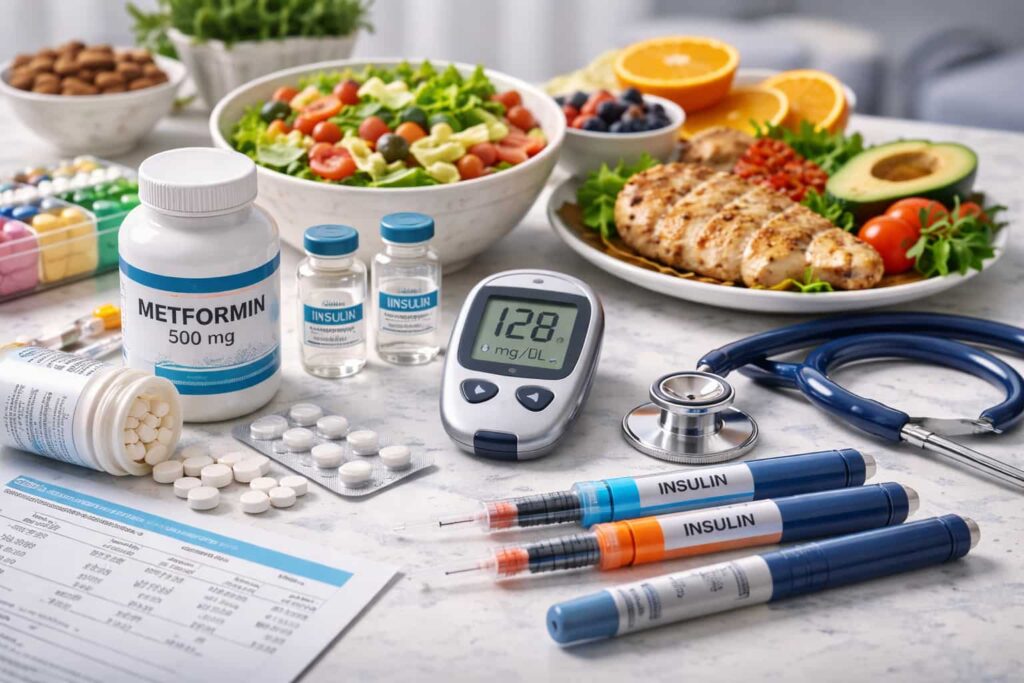
- Metformin — nausea, loose stools, or stomach discomfort in the first few weeks. Taking it with food almost always resolves this. Rarely causes lactic acidosis in patients with kidney problems.
- Sulphonylureas — hypoglycaemia (low blood sugar), especially if a meal is skipped. Weight gain is also possible.
- SGLT2 inhibitors — increased frequency of urination, mild genital fungal infections, and a rare but serious condition called diabetic ketoacidosis in susceptible patients.
- GLP-1 injections — nausea and reduced appetite in the first few weeks. Usually settles as the body adjusts.
- Insulin — hypoglycaemia if too much is given or a meal is delayed. Injection site reactions (bruising, lumps) if the same site is used repeatedly.
Less common but important:
- DPP-4 inhibitors — rare cases of joint pain and, very rarely, pancreatitis
- Pioglitazone — fluid retention, weight gain, and a small increase in fracture risk with long-term use
- Bariatric surgery — as with all surgery, carries anaesthesia risks, infection risk, and nutritional deficiency if post-surgical diet guidelines are not followed
At Dr Curo, every patient is fully briefed on the side effect profile of their specific medications before starting. Monitoring is built into the care plan to catch any issues early.
Emotional Impact of Living with Type 2 Diabetes
Living with type 2 diabetes is not just a physical challenge the emotional burden is real, significant, and at Dr Curo we treat it with the same seriousness as the clinical side of care.
Many patients with type 2 diabetes experience a deep sense of guilt and self-blame when they are first diagnosed feeling that their lifestyle choices have caused the condition. This guilt is often unfair and unhelpful. Genetics, family history, and factors beyond an individual’s control play a major role in who develops type 2 diabetes. Blame has no place in a constructive treatment plan.
What many people managing type 2 diabetes in India experience includes the anxiety of daily monitoring and blood sugar fluctuations, the frustration of dietary restrictions at social events and family meals, fear of complications like kidney failure or losing vision, the burden of remembering multiple medications every day, and the exhaustion of managing a condition that never takes a day off.
Dr Curo addresses this with structured emotional support including counselling for newly diagnosed patients, realistic goal-setting so patients feel progress rather than failure, open conversations about the psychological side of diabetes management, and a non-judgmental clinic environment where patients feel genuinely heard and respected. You are not defined by your diagnosis here you are a person with a condition that we are going to help you manage with confidence.
How Long Does Diabetes Treatment Take to Work?
This depends on the treatment approach and where you are starting from.
Lifestyle changes begin producing measurable results in blood sugar within 2–4 weeks, though the full effect on HbA1c takes 3 months to show up in tests. Oral medications like Metformin take 1–2 weeks to begin working and 3 months to assess fully. GLP-1 injections begin improving blood sugar within the first week and produce their strongest effects over 3–6 months. Insulin works within hours of the first dose. Bariatric surgery produces dramatic blood sugar improvements within days to weeks of the procedure in many patients. Diabetes reversal programs typically show significant HbA1c improvement at the 3-month mark with the best results seen at 6–12 months.
At Dr Curo, every patient’s HbA1c and key health markers are reviewed every 3 months so that treatment can be adjusted based on real data not guesswork.
Tips to Support Your Diabetes Treatment Naturally
Alongside your medical treatment at Dr Curo, these daily habits make a genuine and measurable difference:
- Walk after every meal — even a 10–15 minute walk after eating reduces post-meal blood sugar spikes significantly
- Sleep 7–8 hours every night — poor sleep raises cortisol and directly worsens insulin resistance
- Drink enough water — dehydration concentrates blood glucose; aim for 8–10 glasses per day
- Reduce white rice and maida — these are the biggest blood sugar drivers in the typical Indian diet; replace gradually with millets, oats, and whole wheat
- Never skip meals — irregular eating patterns cause blood sugar swings that are harder to manage
- Manage stress actively — chronic stress raises blood sugar through cortisol; yoga, breathing exercises, and regular rest all help
- Monitor consistently — whether with a glucometer or CGM, tracking your numbers gives you and your Dr Curo doctor the information needed to keep your treatment on track
- Attend every follow-up appointment — diabetes management is not a set-and-forget prescription; regular reviews are how complications are caught early and treatment stays optimised
Frequently Asked Questions
Q1. Can type 2 diabetes be completely cured in India? “Cured” is a strong word but diabetes reversal is real and achievable for many patients. Reversal means maintaining normal blood sugar without medication. At Dr Curo, our structured reversal program has helped many patients reach this outcome, particularly those diagnosed early and committed to the program.
Q2. What is the best diet for type 2 diabetes in India? The best diet is one that is low in refined carbohydrates, high in vegetables and fibre, moderate in protein, and low in sugar and fried foods. Practically for Indian eating habits this means reducing white rice, maida, and sweets while increasing dal, vegetables, whole grains like jowar and bajra, and healthy fats like nuts and seeds. Your Dr Curo dietitian will build a plan around your specific food preferences.
Q3. Is metformin safe for long-term use? Yes. Metformin has been used safely for over 60 years and remains the most prescribed diabetes medication in the world. It is well tolerated, does not cause weight gain, and has strong long-term safety data. Most patients with normal kidney function can take it indefinitely.
Q4. Do I have to take diabetes medication for life? Not necessarily. For patients who achieve significant weight loss and lifestyle improvements, it is often possible to reduce or even stop medication — particularly if diabetes is caught early. This is one of the goals of the Dr Curo reversal program.
Q5. What happens if type 2 diabetes is left untreated in India? Untreated or poorly managed type 2 diabetes leads to serious complications over time including kidney disease (diabetic nephropathy), vision loss (diabetic retinopathy), nerve damage (diabetic neuropathy), foot ulcers and amputation risk, and significantly increased risk of heart attack and stroke. Early and consistent treatment at Dr Curo is the most effective way to prevent all of these outcomes.
Dr Curo is With You Every Step
Understanding type 2 diabetes treatment in India is the first step toward taking back control of your health. Diabetes is not a sentence it is a condition that, with the right knowledge, the right team, and the right plan, can be managed well, improved dramatically, and in many cases reversed.
At Dr Curo, we do not just prescribe medication and send you home. We build a complete, personalised care plan covering your medication, your nutrition, your monitoring, your emotional wellbeing, and your long-term goals. Every patient who comes to us deserves that level of attention, and every patient gets it.Whether you were diagnosed last week or have been managing diabetes for a decade, it is never too early and never too late to take a better approach. Dr Curo is here with the expertise, the tools, and the genuine commitment to help you live well with diabetes and beyond it.






No Comment! Be the first one.