








Common Joint Pain Causes and the Best Home Remedies
Do your knees ache when climbing stairs? Do your fingers feel stiff in the morning, or your back and shoulders start hurting after a long day at work? If yes you are not alone. Joint pain is one of...
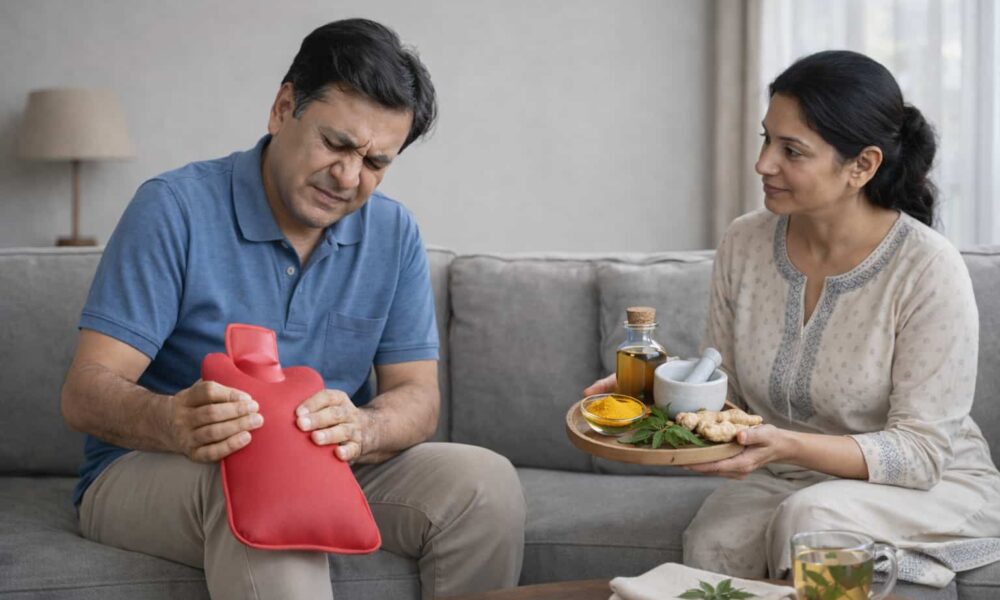
Do your knees ache when climbing stairs? Do your fingers feel stiff in the morning, or your back and shoulders start hurting after a long day at work?
Table Of Content
- What is Joint Pain?
- Why You Should Not Ignore Joint Pain
- How Common is Joint Pain in India?
- Types of Joint Pain — Simple Comparison
- Common Joint Pain Causes — Explained in Detail
- Best Home Remedies for Joint Pain
- When Should You See a Doctor?
- Who Is at Higher Risk of Joint Pain in India?
- Tests Used to Diagnose Joint Pain
- Cost of Joint Pain Treatment in India
- Side Effects and Risks of Joint Pain Treatments
- Emotional Impact of Living with Joint Pain
- How Long Does Joint Pain Treatment Take to Work?
- Tips to Prevent Joint Pain Naturally
- Frequently Asked Questions
- Dr Curo is With You Every Step
If yes you are not alone. Joint pain is one of the most common health concerns in India, affecting people of all ages. Some dismiss it as a natural part of ageing, while others keep trying different home remedies without fully understanding the root cause of their discomfort.
At Dr Curo, we believe that understanding joint pain causes and remedies is the first step toward real and lasting relief. With the right joint pain treatment India, managing and even reducing these symptoms becomes much more effective.
This guide explains the most common reasons behind joint pain and the home remedies that truly help all in simple, easy-to-understand language.
What is Joint Pain?
A joint is the point where two bones meet like the knee, shoulder, hip, elbow, or fingers. Joint pain is any discomfort, aching, soreness, or stiffness felt at these connecting points.
Joint pain can be:
- Mild or severe
- Constant or coming and going
- In one joint or multiple joints at the same time
- Short-term after an injury or long-term due to a chronic condition
Joint pain is not a disease on its own. It is a symptom that tells you something is not right in or around the joint.
At Dr Curo, identifying the exact joint pain causes and remedies that suit your condition is the starting point of every treatment plan.
Why You Should Not Ignore Joint Pain
Many people in India ignore joint pain for months or even years. They take a painkiller and carry on. But this approach can make things much worse over time.
If joint pain is ignored:
- The underlying condition continues to get worse
- Cartilage and bone damage can become permanent
- Simple daily tasks like walking, climbing stairs, or lifting become difficult
- Inflammation spreads to surrounding tissues
- The need for surgery increases significantly
When treated early:
- Damage can be slowed or stopped
- Pain is managed more effectively with simpler methods
- Quality of life improves significantly
- Home remedies and medicines work much better at early stages
At Dr Curo, early attention to joint pain causes and remedies leads to faster and more complete recovery.
How Common is Joint Pain in India?
Joint pain is a widespread problem across India:
- Arthritis alone affects over 180 million people in India
- India has one of the highest rates of knee osteoarthritis in the world
- Women are more commonly affected than men, especially after menopause
- Joint pain is no longer just an old age problem younger people are increasingly affected
- Sitting jobs, lack of exercise, and poor diet are making things worse
- Many people rely on self-medication rather than getting proper diagnosis
Awareness about joint pain causes and remedies is growing but timely medical care remains essential.
Types of Joint Pain — Simple Comparison
| Type | Description | Common Location |
| Sharp pain | Sudden and intense | Knee, ankle, shoulder |
| Dull aching pain | Constant low-level pain | Hip, lower back, knees |
| Stiffness | Difficulty moving the joint | Fingers, spine, knees |
| Swelling and warmth | Inflamed joint | Knee, wrist, ankles |
| Grinding sensation | Bones rubbing together | Knee, hip |
Understanding the type of pain helps doctors at Dr Curo identify the right joint pain causes and remedies for you.
Common Joint Pain Causes — Explained in Detail
Cause 1 — Osteoarthritis
Osteoarthritis is the most common cause of joint pain in India. It happens when the cartilage the cushion between two bones slowly wears away over time.
Symptoms:
- Pain that gets worse with activity
- Stiffness in the morning
- Grinding or clicking sound in the joint
- Swelling around the joint
Most commonly affects knees, hips, and spine. More common in people above 45 years of age.
Cause 2 — Rheumatoid Arthritis
Rheumatoid arthritis is an autoimmune condition where the body’s own immune system attacks the joints.
Symptoms:
- Swollen, painful, and warm joints
- Stiffness lasting more than 30 minutes in the morning
- Fatigue and general weakness
- Affects both sides of the body equally
It can affect people of any age and needs proper medical treatment.
Cause 3 — Gout
Gout is caused by a buildup of uric acid crystals in the joints. It causes sudden, intense pain often in the big toe but can affect knees and ankles too.
Symptoms:
- Sudden severe pain, often at night
- Red, swollen, and hot joint
- Pain that comes in episodes
Triggered by certain foods like red meat, seafood, and alcohol.
Cause 4 — Joint Injury
Past injuries to a joint like a sprain, fracture, or torn ligament can cause pain long after the injury has healed.
Symptoms:
- Pain with specific movements
- Instability in the joint
- Swelling after activity
Common in athletes, labourers, and people who have had accidents.
Cause 5 — Bursitis
Bursae are small fluid-filled sacs that cushion joints. When they become inflamed, it causes bursitis.
Symptoms:
- Aching or stiffness in the joint
- Pain that gets worse with movement
- Swelling and tenderness to touch
Common in shoulder, elbow, and hip joints.
Cause 6 — Tendinitis
Tendinitis is inflammation of the tendons the tissues that connect muscles to bones.
Symptoms:
- Pain just outside a joint
- Worse with movement
- Mild swelling
Common in knees, shoulders, elbows, and heels. Often caused by overuse or repetitive movement.
Cause 7 — Vitamin D and Calcium Deficiency
A very common and often overlooked cause of joint and bone pain in India.
Symptoms:
- Generalised aching in joints and bones
- Muscle weakness
- Fatigue
India has very high rates of Vitamin D deficiency despite abundant sunshine, mainly due to indoor lifestyles.
Cause 8 — Lupus
Lupus is another autoimmune condition that can cause joint pain along with other symptoms throughout the body.
Symptoms:
- Joint pain and swelling
- Skin rash
- Extreme fatigue
- Sensitivity to sunlight
Needs proper medical diagnosis and long-term management.
Cause 9 — Fibromyalgia
Fibromyalgia causes widespread pain across the body including joints and muscles. It is often linked to sleep problems and stress.
Symptoms:
- Pain all over the body
- Extreme tiredness
- Sleep disturbances
- Brain fog or difficulty concentrating
Cause 10 — Septic Arthritis
This is a joint infection caused by bacteria or viruses. It is a medical emergency that needs immediate treatment.
Symptoms:
- Severe pain and swelling in one joint
- High fever
- Inability to move the joint
Understanding these joint pain causes and remedies for each of them is essential before starting any treatment.
Best Home Remedies for Joint Pain
Home remedies work very well for mild to moderate joint pain especially when used consistently. Here are the most effective ones.
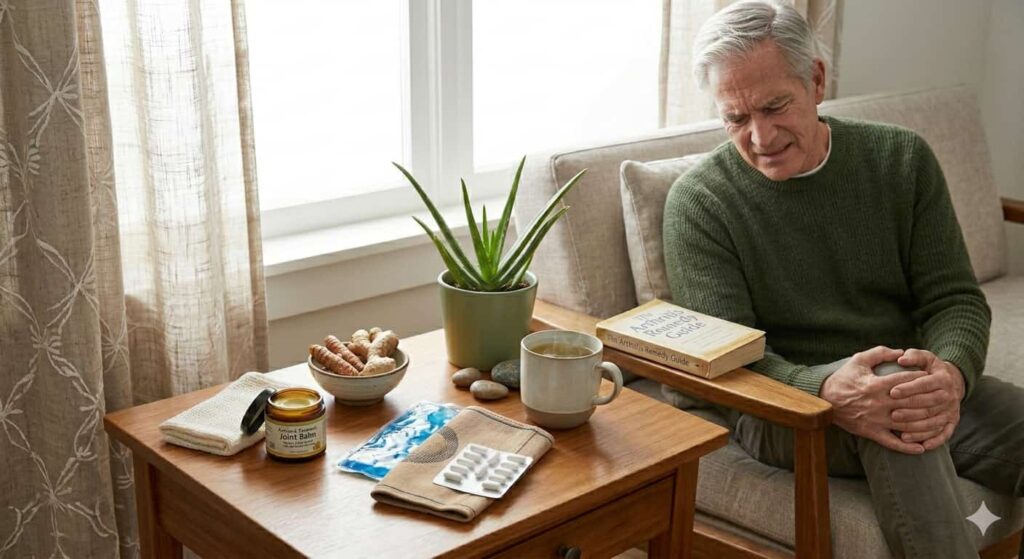
Remedy 1 — Hot and Cold Therapy
- Apply a warm compress or heating pad to stiff joints for 15 to 20 minutes
- Use an ice pack wrapped in a cloth for swollen or inflamed joints
- Alternate between hot and cold for best results
- Hot therapy relaxes muscles and improves blood flow
- Cold therapy reduces swelling and numbs sharp pain
Remedy 2 — Turmeric and Warm Milk
Turmeric contains curcumin a natural anti-inflammatory compound that has been used in India for centuries.
- Mix half a teaspoon of turmeric in a glass of warm milk
- Drink once daily, preferably at night
- Adding a pinch of black pepper improves absorption significantly
- Regular use over 4 to 6 weeks shows noticeable improvement in joint pain
Remedy 3 — Ginger Tea
Ginger has powerful anti-inflammatory properties that help reduce joint pain and stiffness.
- Boil fresh ginger slices in water for 10 minutes
- Add a little honey and lemon
- Drink once or twice daily
- Can also apply ginger paste directly to the painful joint for local relief
Remedy 4 — Gentle Exercise and Stretching
Resting too much actually makes joint pain worse. Gentle movement keeps the joint lubricated and the surrounding muscles strong.
- Try walking, swimming, or cycling these are low-impact and joint-friendly
- Gentle yoga stretches improve flexibility and reduce stiffness
- Do not push through sharp pain gentle discomfort is acceptable
- Even 20 to 30 minutes of movement daily makes a big difference
Remedy 5 — Weight Management
Extra body weight puts enormous pressure on weight-bearing joints like knees and hips.
- Every extra kilogram adds nearly 4 kilograms of pressure on the knees
- Losing even 5 to 10 percent of body weight can dramatically reduce knee pain
- A balanced diet with reduced refined carbohydrates and sugar helps
- Combining diet with gentle exercise gives the best results
Remedy 6 — Epsom Salt Soak
Epsom salt contains magnesium sulphate which helps reduce inflammation and muscle tension around joints.
- Add two cups of Epsom salt to warm bath water
- Soak the affected joint for 15 to 20 minutes
- Use 2 to 3 times a week for best results
- Also helpful for ankle and foot joint pain
Remedy 7 — Omega-3 Rich Foods
Omega-3 fatty acids are natural anti-inflammatory nutrients that help reduce joint pain over time.
- Include fish like salmon, sardines, and mackerel in your diet
- Flaxseeds, walnuts, and chia seeds are great plant-based sources
- Fish oil supplements can also be taken after consulting a doctor
- Regular omega-3 intake over several weeks reduces stiffness and swelling
Remedy 8 — Fenugreek Seeds
Fenugreek is a traditional Indian remedy known for its anti-inflammatory and antioxidant properties.
- Soak one teaspoon of fenugreek seeds overnight in water
- Eat the seeds in the morning on an empty stomach
- Or make a paste and apply to the painful joint
- Regular use helps reduce chronic joint inflammation
Remedy 9 — Castor Oil Massage
Castor oil contains ricinoleic acid which has strong anti-inflammatory effects.
- Warm a small amount of castor oil
- Gently massage into the painful joint in circular motions
- Cover with a warm cloth after massage
- Do this once daily before bed for best results
Remedy 10 — Proper Rest and Sleep
The body repairs itself during sleep. Poor sleep increases pain sensitivity and slows recovery.
- Aim for 7 to 8 hours of quality sleep every night
- Use a supportive mattress and pillow
- Avoid sleeping in positions that put pressure on painful joints
- Rest the joint after periods of high activity but do not stay completely inactive
These home remedies for joint pain causes and remedies work best when combined with a healthy diet and regular light exercise.
When Should You See a Doctor?
Home remedies help with mild pain but some situations need proper medical attention right away.
See a doctor immediately if you have:
- Severe joint pain that came on suddenly
- Significant swelling, redness, and warmth in a joint
- Fever along with joint pain
- Joint pain after an injury or fall
- Pain that does not improve after 2 to 3 weeks of home treatment
- Difficulty walking, bending, or using the joint normally
- Joint pain affecting multiple joints at the same time
- Unexplained weight loss along with joint pain
At Dr Curo, our specialists evaluate your joint pain causes and remedies carefully to give you the most accurate diagnosis and effective treatment plan.
Who Is at Higher Risk of Joint Pain in India?
- People above 40 years of age
- Women especially after menopause due to hormonal changes
- People who are overweight or obese
- Those with a family history of arthritis
- Athletes or people with physically demanding jobs
- People with a sedentary, desk-bound lifestyle
- Those with Vitamin D or calcium deficiency
- People with diabetes or other autoimmune conditions
- Those who have had previous joint injuries

Tests Used to Diagnose Joint Pain
| Test | Purpose |
| Blood test | Check for inflammation, uric acid, or autoimmune markers |
| X-ray | See bone structure and joint space |
| MRI | Detailed view of cartilage, tendons, and ligaments |
| Ultrasound | Check for fluid or inflammation in the joint |
| Joint fluid analysis | Identify infection or gout crystals |
| Bone density scan | Check for osteoporosis |
At Dr Curo, tests are chosen carefully based on symptoms so you get accurate answers without unnecessary procedures.
Cost of Joint Pain Treatment in India
| Service | Approximate Cost |
| Orthopaedic Consultation | ₹500 – ₹2,500 |
| X-ray | ₹300 – ₹1,000 |
| MRI of Joint | ₹4,000 – ₹12,000 |
| Blood Tests | ₹500 – ₹2,500 |
| Physiotherapy (per session) | ₹300 – ₹1,500 |
| Medicines (monthly) | ₹300 – ₹2,000 |
| Joint Injection | ₹2,000 – ₹8,000 |
| Knee Replacement Surgery | ₹1,50,000 – ₹4,00,000 |
Early treatment and home remedies significantly reduce the overall cost of managing joint pain. At Dr Curo, we help you access quality orthopaedic care at fair and transparent costs.
Side Effects and Risks of Joint Pain Treatments
- Long-term use of painkillers can affect the stomach and kidneys
- Steroid injections give fast relief but cannot be used too frequently
- Some anti-inflammatory medicines increase blood pressure over time
- Surgery carries standard risks like infection and longer recovery
- Physiotherapy requires consistent effort to show results
At Dr Curo, all treatments are monitored carefully to keep side effects minimal and recovery as smooth as possible.
Emotional Impact of Living with Joint Pain
Chronic joint pain is not just a physical problem. It affects emotions and mental health deeply.
- Constant pain leads to frustration, irritability, and low mood
- Inability to do simple daily tasks reduces confidence and self-esteem
- Many people with joint pain become isolated due to reduced mobility
- Dependence on others for basic activities affects mental wellbeing
- Fear of permanent disability causes anxiety in many patients
- Sleep disruption due to pain leads to fatigue and emotional exhaustion
At Dr Curo, we address both the physical and emotional aspects of joint pain. Understanding joint pain causes and remedies is just the beginning we walk with you through the entire journey.
How Long Does Joint Pain Treatment Take to Work?
| Treatment Type | Expected Improvement |
| Home remedies | 2 to 4 weeks with consistent use |
| Medicines for inflammation | 1 to 2 weeks |
| Physiotherapy | 4 to 8 weeks |
| Joint injections | Within a few days |
| Surgery recovery | 6 weeks to 6 months depending on type |
| Lifestyle changes | Gradual improvement over 3 to 6 months |
Consistency is the key. Home remedies and lifestyle changes take time but the results are long-lasting and safe.
Tips to Prevent Joint Pain Naturally
- Maintain a healthy body weight to reduce pressure on joints
- Exercise regularly walking, swimming, and yoga are excellent choices
- Eat a balanced diet rich in calcium, Vitamin D, and omega-3 fatty acids
- Get regular sunlight exposure for natural Vitamin D
- Avoid sitting or standing in one position for too long
- Warm up before and cool down after any physical activity
- Wear supportive and comfortable footwear
- Avoid heavy lifting without proper technique
- Stay hydrated joints need fluid to stay lubricated
- Get regular health check-ups to catch problems early
Small, consistent habits make the biggest difference in keeping your joints healthy for life.

Frequently Asked Questions
Q1. Can joint pain go away on its own? Mild joint pain from overuse or minor injury often improves with rest and home remedies. But persistent or severe pain needs medical evaluation.
Q2. Is joint pain always caused by arthritis? No. There are many joint pain causes and remedies including injuries, infections, nutritional deficiencies, and autoimmune conditions. A proper diagnosis is important.
Q3. Are home remedies enough for joint pain? For mild to moderate pain, yes. But if pain is severe, persistent, or linked to swelling and fever, see a doctor along with trying home remedies.
Q4. Is joint pain common in young people in India? Yes, increasingly so. Poor posture, sedentary jobs, lack of exercise, and nutritional deficiencies are causing joint pain in younger age groups.
Q5. Which joint is most commonly affected by pain in India? The knee joint is the most commonly affected, followed by the lower back, shoulder, and hip.
Q6. Can diet really help joint pain? Absolutely. Anti-inflammatory foods like turmeric, ginger, omega-3 rich foods, and adequate Vitamin D can significantly reduce joint pain over time.
Q7. When does joint pain require surgery? Surgery is considered only when medicines, physiotherapy, and other treatments have not given adequate relief and the joint damage is severe.
Dr Curo is With You Every Step
Joint pain can slow you down but it does not have to take control of your life.
Whether your discomfort is mild and occasional or severe and long-lasting, understanding the right joint pain causes and remedies is the first step toward recovery. With the right mix of home remedies, medical care, and lifestyle changes, most people can manage joint pain effectively and continue to live active, comfortable, and fulfilling lives. Exploring options like arthritis treatment India can also play a key role in managing more persistent conditions.
At Dr Curo, we focus on personalised care plans that treat the root cause of your joint pain not just the symptoms. From your first consultation to long-term care, our team of orthopaedic specialists supports you at every stage of your journey to better mobility and health.
Dr Curo — Expert Care. Real Relief. Healthier Joints.




No Comment! Be the first one.