






PRP Injection for Joint Pain: Does It Really Work?
Joint pain is something millions of people deal with every single day. It can turn simple things like walking, climbing stairs, bending down, lifting a bag, or even getting out of bed into a painful...
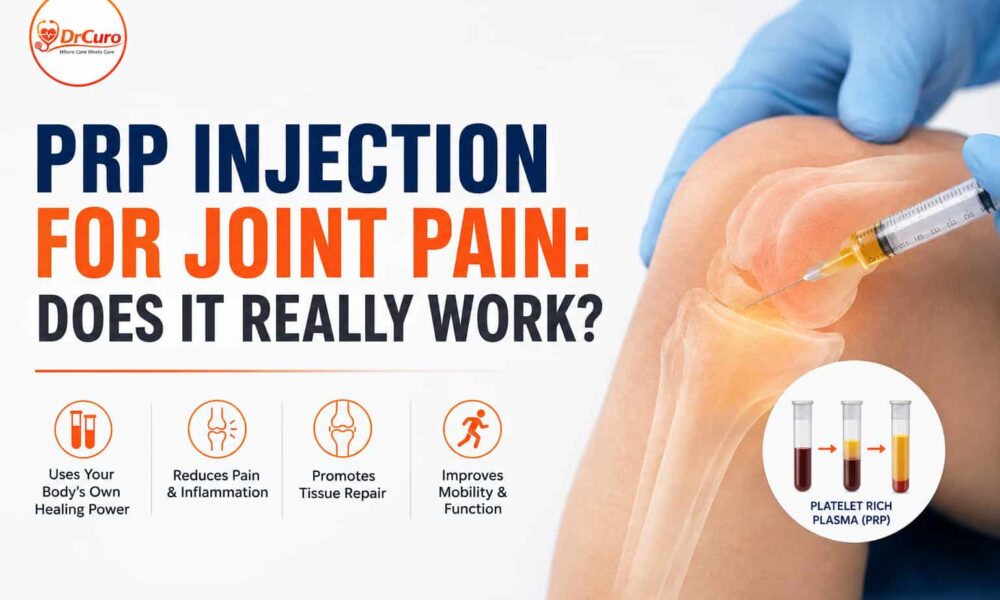
Joint pain is something millions of people deal with every single day. It can turn simple things like walking, climbing stairs, bending down, lifting a bag, or even getting out of bed into a painful struggle. Joint pain can happen for many reasons, including aging, sports injuries, arthritis, ligament damage, overuse, obesity, or accidents. While painkillers and physiotherapy help a lot of people manage their symptoms, they do not always fix the actual problem causing the pain. This is where Platelet-Rich Plasma (PRP) injections come in. Over the past few years, PRP has become a popular option for people looking for a more natural way to reduce pain and support healing, since it uses your own blood rather than any external medication.
Table Of Content
- What Is a PRP Injection?
- How Does PRP Work?
- How Is PRP Different from a Steroid Injection?
- Who Can Benefit from PRP Injections?
- Common Conditions Treated with PRP
- Benefits of PRP Injection
- The PRP Procedure: What Actually Happens
- Preparing for a PRP Injection
- What Happens After the Injection?
- How Effective Is PRP, Really?
- PRP vs Steroid vs Hyaluronic Acid Injections
- Who Should Avoid PRP?
- Possible Risks and Side Effects
- Frequently Asked Questions
- Conclusion
Because PRP is considered a regenerative treatment, it aims to repair damaged tissue instead of just covering up the pain temporarily. Still, a lot of people are unsure whether PRP injections actually work or whether they are worth trying. In this guide, we will walk you through everything you need to know about PRP for joint pain, in simple, everyday language.
What Is a PRP Injection?
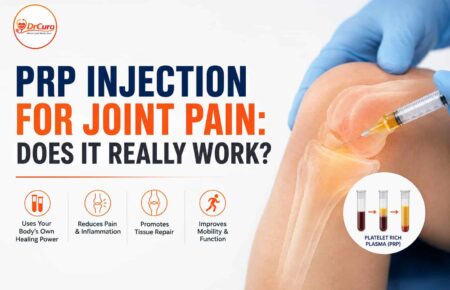
PRP stands for Platelet-Rich Plasma. It is a treatment made using a small sample of your own blood. Your blood is made up of several parts, including red blood cells, white blood cells, plasma, and platelets. Platelets are tiny cells that play a big role in clotting and healing after an injury. They are also packed with growth factors and proteins that help repair damaged tissue.
During a PRP procedure, a small amount of your blood is drawn and placed into a machine called a centrifuge. This machine spins the blood at a high speed, separating the platelet-rich plasma from the rest of the blood. This concentrated plasma is then injected directly into the painful or injured joint using a fine needle. Since the injection comes from your own body, the chances of an allergic reaction or rejection are very low.
Unlike painkillers, which only mask discomfort for a short while, PRP works with your body’s natural healing process, encouraging damaged tissue to repair itself gradually over time.
How Does PRP Work?
The idea behind PRP is fairly straightforward. Platelets naturally release growth factors that help your body heal after an injury. By concentrating these platelets and injecting them directly into a damaged joint, doctors aim to boost your body’s ability to repair cartilage, tendons, ligaments, and other soft tissues.
Once the injection is given, the growth factors get to work at the treatment site. They may help to:
- Reduce inflammation inside the joint
- Stimulate tissue repair
- Improve blood supply to the damaged area
- Support healing of ligaments and tendons
- Gradually reduce pain
- Improve joint movement and flexibility
- Slow down the progression of certain joint conditions in some patients
PRP does not work instantly. Most people notice gradual improvement over several weeks or months as the healing process continues.
How Is PRP Different from a Steroid Injection?
Many people mix up PRP injections with steroid injections since both are used for joint pain, but they actually work in very different ways.
Steroid injections mainly reduce inflammation quickly, giving fast pain relief that can last a few weeks to a few months. PRP injections, on the other hand, focus on encouraging natural tissue healing. The results take longer to show up, but the benefits may last longer for some patients because PRP is repairing the tissue rather than just calming inflammation.
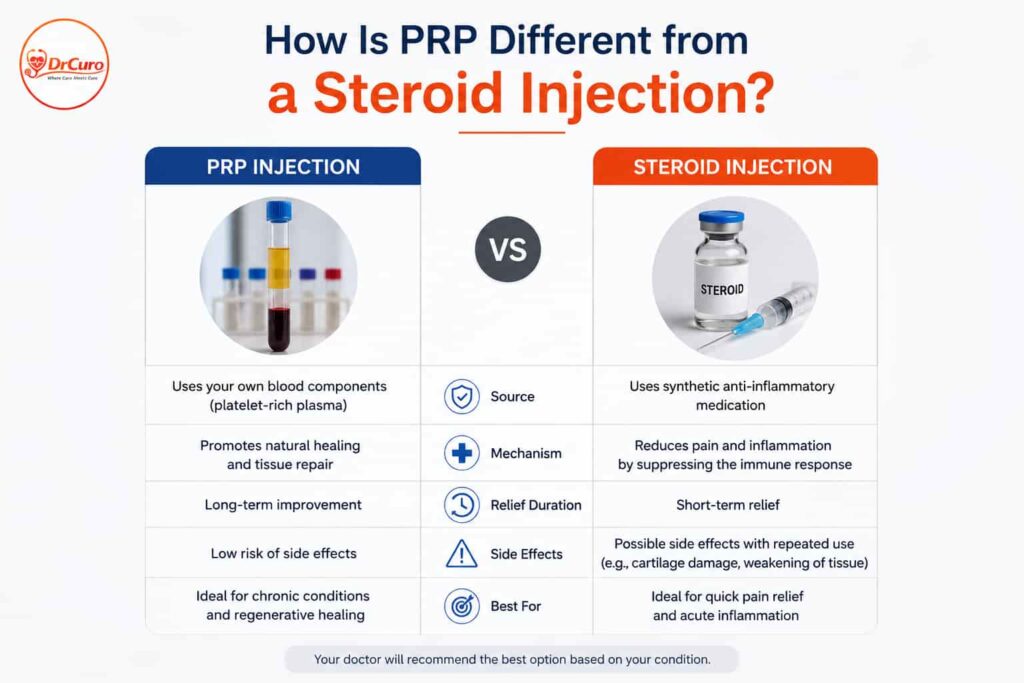
The right choice between the two really depends on your specific condition, age, how severe the joint damage is, and what your doctor recommends.
Who Can Benefit from PRP Injections?
PRP is not the right fit for everyone, but it can genuinely help many people dealing with chronic joint pain or soft tissue injuries that have not improved with rest, medicines, or physiotherapy alone.
People who may benefit from PRP include:
- Individuals with mild to moderate osteoarthritis
- People with chronic knee pain
- Patients dealing with shoulder pain
- Individuals with tennis elbow or golfer’s elbow
- People with ligament injuries
- Patients with tendon injuries
- Athletes recovering from sports injuries
- Individuals with ankle pain
- Patients with hip joint pain
- People hoping to delay surgery when appropriate
Your doctor will evaluate your specific condition carefully before recommending PRP, since results can vary quite a bit depending on the type and severity of your joint problem.
Common Conditions Treated with PRP
PRP is increasingly being used to manage a range of joint and soft tissue conditions.
| Condition | How PRP May Help |
| Knee osteoarthritis | May reduce pain and improve movement |
| Shoulder tendon injuries | Supports tendon healing, reduces discomfort |
| Tennis elbow | Helps repair damaged tendons |
| Golfer’s elbow | May decrease pain and improve function |
| Plantar fasciitis | Supports healing of the plantar fascia |
| Achilles tendon injury | Encourages tissue repair |
| Rotator cuff injuries | May improve recovery in selected patients |
| Ligament sprains | Helps support ligament healing |
| Mild cartilage damage | May slow further tissue degeneration |
Keep in mind that PRP is not a magic fix for every joint issue. How well it works depends on the specific condition, how much tissue damage there is, your age, your overall health, and how closely you follow your rehabilitation plan.
Benefits of PRP Injection
Part of why PRP has become so popular is that it uses your body’s own healing mechanisms rather than synthetic medicines. While research is still evolving, many studies have shown encouraging results for certain joint conditions.
Some potential benefits include:
- Uses your own blood, lowering the risk of allergic reactions
- Minimally invasive treatment
- Performed as a simple outpatient procedure
- May reduce long-term pain
- May improve joint flexibility
- Supports natural tissue healing
- Can reduce dependence on pain medications
- Short treatment time
- Little downtime afterward
- May help delay surgery for some patients
These benefits are encouraging, but PRP does not guarantee the same results for everyone. Your response depends on things like your age, overall health, lifestyle, and how severe the joint damage already is.
The PRP Procedure: What Actually Happens
A lot of people feel nervous just hearing the word “injection,” but a PRP procedure is usually simple and takes about 30 to 60 minutes from start to finish. Since it uses your own blood, it is considered a safe procedure when done by a qualified healthcare professional. Most people go home the same day and can return to light activities soon after.
Here’s what the process generally looks like, step by step:
- Medical evaluation – Your doctor examines the joint, reviews your medical history, and may order imaging such as an X-ray, ultrasound, or MRI to confirm the diagnosis.
- Blood collection – A small blood sample, usually between 15 and 60 ml, is drawn from your arm.
- Preparing the PRP – The blood goes into a centrifuge, which spins it to separate the platelet-rich plasma from the rest of the blood.
- Preparing the injection site – The skin around the joint is cleaned thoroughly, and sometimes a local anesthetic is used.
- PRP injection – The concentrated plasma is injected directly into the joint, tendon, or ligament, often with ultrasound guidance for accuracy.
- Observation – You’re monitored briefly before heading home.
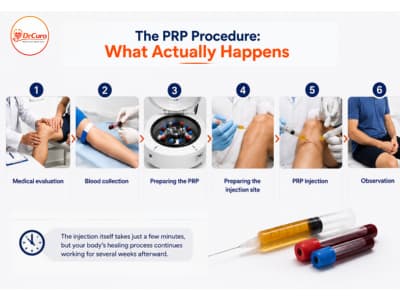
The injection itself takes just a few minutes, but your body’s healing process continues working for several weeks afterward.
Preparing for a PRP Injection
Getting ready properly can improve how well the treatment works and lower the chance of complications. Your doctor will give you specific instructions, but common recommendations include:
- Drink plenty of water before the procedure
- Eat a healthy meal unless told otherwise
- Tell your doctor about all medicines and supplements you take
- Avoid smoking if possible
- Avoid alcohol before and after treatment
- Follow your doctor’s guidance on blood-thinning medicines
- Wear comfortable clothing that allows easy access to the treatment area
What Happens After the Injection?
Recovery from PRP is usually straightforward, but it does require some patience since healing happens gradually rather than overnight.
Right after the injection, it’s common to experience:
- Mild pain
- Temporary swelling
- Stiffness
- Tenderness around the injection site
These symptoms typically settle within a few days. Doctors usually recommend:
- Resting the treated joint for the first 24 to 48 hours
- Avoiding heavy exercise for several days
- Using ice packs if advised
- Attending physiotherapy sessions if recommended
- Gradually easing back into your normal routine
Most people start noticing improvement within 4 to 6 weeks, while the full benefits can continue to build over three to six months.
How Effective Is PRP, Really?
The success of PRP depends on several things: your age, overall health, how severe the joint damage is, and the specific condition being treated. Research suggests PRP tends to be particularly helpful for:
- Mild to moderate knee osteoarthritis
- Tendon injuries
- Ligament injuries
- Sports-related joint injuries
- Chronic elbow pain
- Plantar fasciitis
On the other hand, people with severe arthritis or significant cartilage loss usually see less benefit, since PRP cannot fully regenerate advanced joint damage. For many people exploring joint pain treatment options beyond medication and physiotherapy, PRP offers a middle ground that focuses on healing rather than just symptom control, though expectations should stay realistic based on your specific condition.
PRP vs Steroid vs Hyaluronic Acid Injections
Since PRP is often compared to other common joint treatments, here’s a simple side-by-side look:
| Feature | PRP Injection | Steroid Injection |
| Source | Your own blood | Corticosteroid medication |
| Main purpose | Supports tissue healing | Reduces inflammation |
| Pain relief speed | Gradual | Usually faster |
| Duration of benefit | May last several months | Often a few weeks to months |
| Best suited for | Mild to moderate joint, tendon, ligament damage | Inflammatory conditions, temporary relief |
| Allergic reaction risk | Very low | Low, but medication side effects possible |
| Feature | PRP Injection | Hyaluronic Acid Injection |
| Purpose | Promotes healing | Improves joint lubrication |
| Source | Your own blood | Synthetic or naturally derived gel |
| Best for | Tendon injuries, mild-moderate arthritis | Mild to moderate osteoarthritis |
| Recovery | Gradual improvement | Often quicker symptom relief |
| Goal | Tissue repair | Joint cushioning |
Your doctor may suggest one option or a combination, depending on your specific condition and goals.
Who Should Avoid PRP?
PRP isn’t suitable for everyone. Your doctor may advise against it if you have:
- An active infection
- Severe anemia
- Certain blood disorders
- A very low platelet count
- Active cancer near the treatment site
- Uncontrolled diabetes
- Severe joint destruction that needs surgery
- Certain clotting disorders
A proper medical evaluation is essential before deciding whether PRP is right for you.
Possible Risks and Side Effects
Since PRP uses your own blood, serious complications are rare. Still, like any medical procedure, there are some risks to be aware of.
Common, mild side effects include:
- Temporary pain
- Swelling
- Bruising
- Mild stiffness
- Redness
- Tenderness
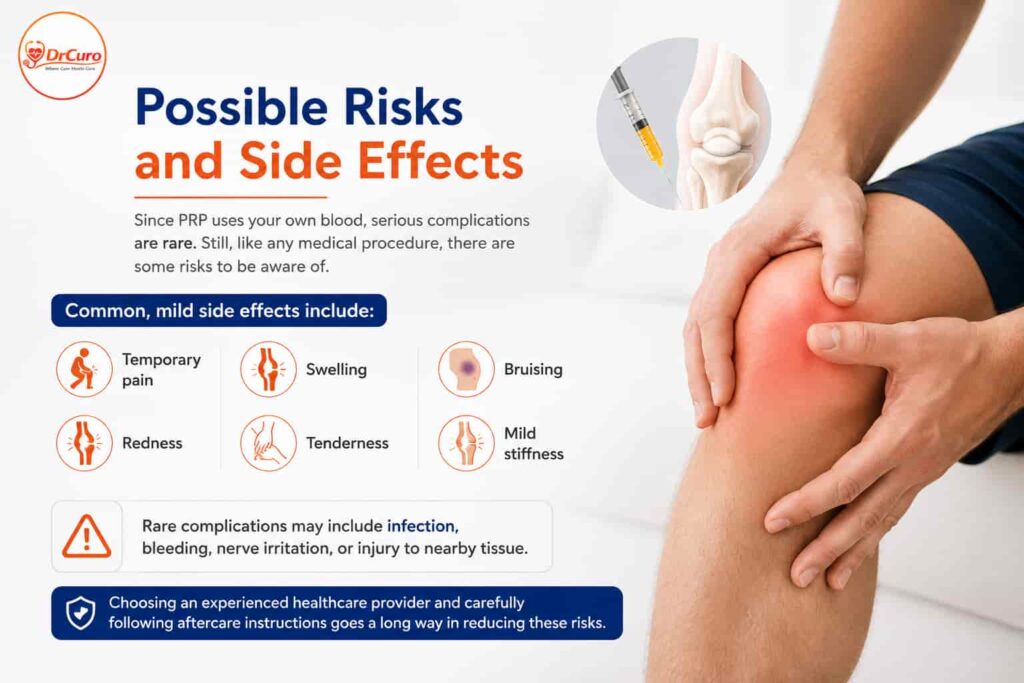
Rare complications may include infection, bleeding, nerve irritation, or injury to nearby tissue. Choosing an experienced healthcare provider and carefully following aftercare instructions goes a long way in reducing these risks.
Frequently Asked Questions
Is a PRP injection painful?
Most people feel only mild discomfort during the injection. A local anesthetic may be used to make it more comfortable.
How long does recovery take?
Most people return to light activities within a day or two, but full healing and noticeable improvement can take several weeks to a few months.
How many PRP sessions are usually needed?
Some people improve after just one injection, while others may need two or three sessions depending on their condition and response to treatment.
Can PRP completely cure arthritis?
No. PRP is not a cure. It may help reduce pain, improve joint function, and slow disease progression in some patients, but it cannot reverse advanced arthritis.
Are there serious side effects?
Serious complications are uncommon since PRP comes from your own blood. Mild swelling or soreness at the injection site is more common and usually goes away within a few days.
Can I exercise after a PRP injection?
Light walking is generally fine, but strenuous exercise should be avoided for a short period. Your doctor or physiotherapist will guide you on when to gradually resume activity.
When should I see a doctor about joint pain?
If your joint pain lasts for several weeks, keeps getting worse, limits your daily activities, causes swelling or stiffness, or doesn’t improve with rest, it’s time to get it checked. Early diagnosis usually leads to better outcomes.
Conclusion
PRP injection is an innovative, regenerative approach that uses the natural healing power of your own blood to support tissue repair and ease joint pain. While it isn’t a guaranteed cure for every condition, many people with mild to moderate arthritis, tendon injuries, and ligament problems notice real improvement in pain and mobility after treatment. How well it works depends on factors like the severity of your joint damage, your overall health, your commitment to rehabilitation, and proper patient selection by your doctor.
Before deciding on PRP, it’s important to consult a qualified healthcare professional who can properly assess your condition and recommend the most suitable treatment plan for you. PRP often works best when paired with physiotherapy, regular exercise, weight management, and other healthy lifestyle habits.
At drcuro, we are committed to giving you reliable, easy-to-understand health information so you can make informed decisions about your care. If you’re dealing with persistent joint pain or want to explore modern treatment options, reach out to a healthcare professional to find out whether PRP is the right choice for you. Early diagnosis and timely care can make a real difference in keeping your joints healthy and helping you stay active for years to come.




No Comment! Be the first one.