








Pre-Diabetes Treatment: Reverse It Before It’s Too Late
Imagine being told your blood sugar is higher than normal, but you feel completely fine. No symptoms, no pain, nothing unusual. This is exactly how prediabetes works, and it is one of the reasons so...

Imagine being told your blood sugar is higher than normal, but you feel completely fine. No symptoms, no pain, nothing unusual. This is exactly how prediabetes works, and it is one of the reasons so many people miss it until it has already turned into type 2 diabetes. Prediabetes means your blood sugar levels are above the healthy range but not yet high enough to be called diabetes. It is like a yellow warning light on your body’s dashboard, telling you that something needs attention before it becomes a bigger problem. The good news is that prediabetes is not a life sentence. With the right changes in diet, movement, sleep, and stress management, many people are able to bring their blood sugar back to a healthy range. In this blog, we will explain what prediabetes is, why it happens, how doctors diagnose it, and what simple daily steps can help you take charge of your health before it is too late.
Table Of Content
- What Is Prediabetes?
- Prediabetes vs Diabetes: What Is the Difference?
- Why Should You Take Prediabetes Seriously?
- What Causes Prediabetes? Common Risk Factors
- Does Prediabetes Show Any Symptoms?
- How Is Prediabetes Diagnosed?
- Can Prediabetes Actually Be Reversed?
- 1. Improve Your Diet
- 2. Choose Smarter Carbohydrates
- 3. Add Fibre Gradually
- 4. Move Your Body Regularly
- 5. Don’t Skip Strength Training
- 6. Manage Your Weight, If Needed
- 7. Prioritize Good Sleep
- 8. Keep Stress Under Control
- 9. Quit Smoking
- 10. Monitor Your Blood Sugar Regularly
- Do You Need Medicine for Prediabetes?
- Daily Habits That Support Prediabetes Reversal
- A Simple Daily Routine You Can Follow
- Common Mistakes People Make After a Prediabetes Diagnosis
- How Long Does It Take to See Improvement?
- When Should You See a Doctor?
- Final Thoughts
- Frequently Asked Questions
What Is Prediabetes?
Prediabetes happens when your blood sugar level is higher than normal but not high enough to be officially diagnosed as diabetes. It usually begins when your body starts having trouble using insulin properly. Insulin is a hormone that helps move sugar from your blood into your cells, where it gets used as energy.
When your body becomes less sensitive to insulin, a condition doctors call insulin resistance, sugar tends to stay in your bloodstream instead of moving into your cells the way it should. In the beginning, your pancreas tries to make extra insulin to make up for this. But over time, it may not be able to keep up, and blood sugar levels start rising.
This is exactly why prediabetes matters so much. It is a stage where the damage is not yet done, and where the right actions can genuinely make a difference.
Prediabetes vs Diabetes: What Is the Difference?
Many people confuse prediabetes with diabetes, but they are not the same thing. Understanding the difference can help you take it seriously without panicking unnecessarily.
| Condition | Blood Sugar Level | What It Means for You |
| Normal | Within healthy range | Low risk of diabetes |
| Prediabetes | Higher than normal, but below diabetes range | Increased risk, but reversible with the right steps |
| Type 2 Diabetes | At or above diagnostic range | Needs ongoing medical diabetes care |
Doctors use tests like fasting blood sugar, HbA1c, or an oral glucose tolerance test to check where you stand. The exact cut-off numbers can vary slightly depending on the test used, which is why a proper diagnosis should always come from a qualified doctor rather than guesswork or random home testing.
Why Should You Take Prediabetes Seriously?
Prediabetes is a warning sign, and ignoring it can allow the condition to quietly progress into full type 2 diabetes. It can also be linked to other health issues such as high blood pressure, unhealthy cholesterol levels, and a higher risk of heart problems.
But here is the important part: being told you have prediabetes does not mean diabetes is guaranteed. It simply means now is the right time to make changes, while you still have room to turn things around. The earlier you catch it, the more control you have over the outcome.
What Causes Prediabetes? Common Risk Factors
Prediabetes usually develops because of a mix of genetics, lifestyle habits, and metabolic factors. Some of these you cannot change, but many of them are within your control.
Common risk factors include:
- Being overweight, especially with extra fat around the belly
- Not getting enough physical activity
- Eating a diet high in sugar and refined carbohydrates
- Having a family history of type 2 diabetes
- Getting older, especially after 40
- High blood pressure
- Unhealthy cholesterol or triglyceride levels
- A history of diabetes during pregnancy
- Certain hormonal conditions
- Smoking
- Poor or irregular sleep
- Sitting for long hours without movement
- Increasing insulin resistance over time
Having one or two of these risk factors does not automatically mean you will develop diabetes. It simply means it is worth paying closer attention to your blood sugar and getting checked regularly.
Does Prediabetes Show Any Symptoms?
This is where prediabetes becomes tricky. Most people do not notice any clear symptoms at all, and many find out only after a routine blood test. This is one of the biggest reasons prediabetes is often missed for months or even years.
Some people may notice mild signs linked to rising blood sugar, such as:
- Feeling thirstier than usual
- Needing to urinate more often
- Feeling tired without a clear reason
- Increased hunger
- Struggling to lose weight despite trying
- Blurred vision
- Cuts or wounds that heal more slowly than usual
Since these symptoms are not specific enough on their own, the safest approach is to get tested regularly, especially if you have any risk factors, instead of waiting for symptoms to show up.
How Is Prediabetes Diagnosed?
Diagnosing prediabetes involves simple blood tests that your doctor may recommend based on your age, weight, symptoms, and family history.
HbA1c Test: This test gives an average picture of your blood sugar over the past two to three months and is commonly used for screening.
Fasting Blood Glucose Test: This measures your blood sugar level after you have not eaten for several hours, usually overnight.
Oral Glucose Tolerance Test: This checks how your body handles sugar by testing your blood before and after you drink a glucose solution.
Your doctor will look at your results along with your overall health picture before confirming a diagnosis, so it is always best to discuss your numbers directly with a professional rather than comparing them to numbers you find online.
Can Prediabetes Actually Be Reversed?
Yes, for many people, blood sugar levels can improve significantly, and some are able to bring their numbers back into the normal range through consistent lifestyle changes. However, the word “reverse” needs to be understood correctly. It does not mean fixing the problem once and going back to old habits. It means building habits you can maintain for the long run, because blood sugar tends to rise again if healthy routines are dropped.
The main areas that make the biggest difference include:
- Eating a balanced, mindful diet
- Staying physically active
- Managing your weight if needed
- Getting enough good-quality sleep
- Managing stress effectively
- Monitoring your blood sugar as advised
- Following up with your doctor regularly
- Taking prescribed medicines if recommended
Let’s look at each of these in more detail.
1. Improve Your Diet
What you eat plays a major role in your blood sugar levels. This does not mean you need to give up carbohydrates completely or follow an extremely strict diet. It simply means focusing on better quality and balanced portions.
Try building your plate with vegetables, a good source of protein, and a controlled portion of whole-food carbohydrates.
Good food choices include:
- Green leafy vegetables and other non-starchy vegetables
- Whole grains like oats, brown rice, and whole wheat
- Beans, lentils, and legumes
- Eggs and fish
- Lean protein sources
- Nuts and seeds in moderate portions
- Fresh whole fruits
- Plain, unsweetened dairy products
At the same time, try to cut back on foods high in added sugar and refined carbs, such as:
- Sugary soft drinks and packaged juices
- Cakes, pastries, and sweets
- Biscuits and cookies
- Heavily processed snacks
- White bread and refined grains
- Large portions of desserts
You don’t have to eliminate your favourite foods entirely. Portion control and how often you eat them matter far more than cutting them out completely.
2. Choose Smarter Carbohydrates
Not all carbohydrates behave the same way in your body. Whole and minimally processed carbs generally digest more slowly and cause less of a sugar spike compared to refined ones.
| Instead Of | Try This |
| Sugary breakfast cereal | Oats or another high-fibre breakfast |
| Cold drinks and sodas | Water or unsweetened beverages |
| Packaged refined snacks | A handful of nuts or roasted chana |
| Large bowl of white rice | Smaller portion with vegetables and protein |
| Sweet dessert daily | Smaller portions, less frequently |
| Heavily processed food | Fresh, whole, or minimally processed food |
Everyone’s body responds a little differently, so it can help to notice how you personally feel after different meals.
3. Add Fibre Gradually
Fibre supports better blood sugar control, keeps you full for longer, and is good for digestion overall. Good sources include vegetables, whole fruits, lentils, beans, whole grains, nuts, and seeds.
If your current diet is low in fibre, add it slowly rather than all at once, since a sudden jump can cause bloating or stomach discomfort. Along with fibre, make sure you are drinking enough water throughout the day.
4. Move Your Body Regularly
Physical activity is one of the most powerful tools for improving how your body responds to insulin. When your muscles are active, they use up glucose for energy, which helps lower blood sugar naturally.
You do not need to jump into intense workouts right away. Start with something manageable and build from there.
Good options include:
- Brisk walking
- Cycling
- Swimming
- Dancing
- Light jogging, if your body allows it
- Yoga
- Simple strength exercises
- Everyday household activities that keep you moving
Avoid sitting for long stretches without a break. Even standing up and walking for a few minutes every hour can make a noticeable difference over time.

5. Don’t Skip Strength Training
Many people focus only on cardio and forget strength training, but building muscle is genuinely helpful for blood sugar control. Muscles are one of the biggest users of glucose in your body, so having more muscle mass can support better insulin sensitivity.
You can start simple with squats, wall push-ups, resistance bands, or light weights. If you are new to exercise or have other health conditions, it is a good idea to speak with a doctor before starting a more demanding routine.
6. Manage Your Weight, If Needed
If you are overweight, even a small amount of weight loss can meaningfully improve insulin sensitivity and lower your risk of developing diabetes. That said, this should come from healthy, sustainable habits rather than extreme or crash diets, which are hard to maintain and often lead to weight regain.
A more realistic approach includes balanced meals, reasonable portions, regular movement, proper sleep, and stress management, all working together rather than one drastic change.
7. Prioritize Good Sleep
Sleep plays a bigger role in blood sugar than most people realize. Poor sleep or consistently getting too little of it can affect your appetite, stress hormones, energy levels, and how well your body responds to insulin.
Try to keep a consistent sleep schedule, create a comfortable sleeping environment, and cut down on screen time before bed. Good sleep should be treated as a core part of your diabetes care routine, not something optional you get to only when you have time.
8. Keep Stress Under Control
Long-term stress can quietly work against your healthy habits. It can affect how you eat, how well you sleep, how active you are, and even your blood sugar levels directly.
Simple ways to manage stress include deep breathing, meditation, gentle yoga, walking outdoors, spending time with loved ones, listening to music, or simply doing something you enjoy. You don’t need to eliminate all stress from your life, just find healthier ways to handle it.
9. Quit Smoking
Smoking affects your overall health in many ways and can increase your risk of several chronic conditions, including complications related to blood sugar. If you smoke, quitting is one of the most valuable things you can do for your long-term health. If it feels difficult to quit on your own, talk to a healthcare professional about support options.
10. Monitor Your Blood Sugar Regularly
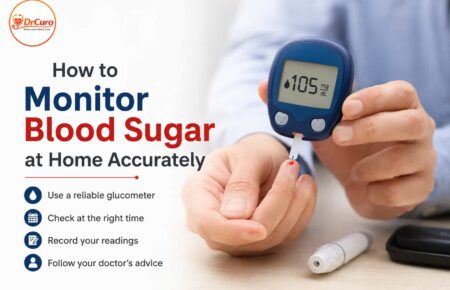
Your doctor may recommend repeating blood sugar tests periodically to track your progress. Regular monitoring helps you understand whether your lifestyle changes are actually working, or whether additional support is needed.
Do not rely only on how you feel, since prediabetes often has no obvious symptoms. Consistent testing, guided by your doctor, is one of the most reliable parts of good diabetes care.
Do You Need Medicine for Prediabetes?
Lifestyle changes are usually the first and most important step for managing prediabetes. However, for people at a particularly high risk of developing type 2 diabetes, a doctor may consider adding medication to the treatment plan.
Medicines should never be started on your own. This decision depends on several factors, including your blood sugar levels, age, weight, family history, and other existing health conditions. It is also important to remember that medication does not replace healthy eating and physical activity; it usually works alongside these lifestyle habits, not instead of them.
Daily Habits That Support Prediabetes Reversal
| Healthy Habit | How It Helps |
| Eating more vegetables | Adds fibre and important nutrients |
| Watching portion sizes | Helps manage overall carbohydrate intake |
| Choosing whole foods | Supports better nutrition overall |
| Walking daily | Helps muscles use up blood sugar |
| Strength training | Builds muscle that supports insulin sensitivity |
| Drinking enough water | Supports hydration and digestion |
| Sleeping well | Supports hormone balance and metabolism |
| Managing stress | Makes other healthy habits easier to maintain |
| Avoiding smoking | Protects overall long-term health |
| Regular doctor follow-ups | Helps track real progress over time |
A Simple Daily Routine You Can Follow
Building a simple routine can make these changes feel far less overwhelming.
Morning: Start with a glass of water and a balanced breakfast that includes some protein and fibre. A short walk or light movement in the morning can help set the tone for the day.
Afternoon: Have a balanced lunch with vegetables, a protein source, and a reasonable portion of whole-food carbohydrates. Try not to sit continuously for hours without a short break.

Evening: Keep dinner moderate rather than heavy, and consider a gentle walk afterward if possible.
Night: Reduce screen time before bed and aim to sleep and wake up at consistent times.
This is only a general example, and your ideal daily routine should be adjusted based on your health condition, work schedule, food preferences, and your doctor’s guidance.
Common Mistakes People Make After a Prediabetes Diagnosis
Some people panic and become extremely strict overnight, while others ignore the diagnosis completely because they feel fine. Both extremes can create problems.
Common mistakes to avoid include:
- Ignoring the diagnosis simply because you have no symptoms
- Jumping into crash diets
- Cutting out all carbohydrates completely
- Skipping meals to “control” sugar
- Starting intense exercise too quickly without preparation
- Relying on random supplements instead of proven habits
- Stopping prescribed medicines without talking to a doctor
- Skipping follow-up appointments
- Checking blood sugar randomly without understanding what the numbers mean
- Expecting big results within just a few days
- Returning to old habits as soon as numbers improve slightly
A more balanced, realistic approach tends to work far better than short bursts of extreme effort followed by giving up.
How Long Does It Take to See Improvement?
There is no single timeline that applies to everyone. Improvement depends on your starting blood sugar levels, your diet, activity level, weight, genetics, sleep quality, and any medications you may be taking.
Some people notice small changes within a few weeks, but meaningful shifts in HbA1c usually take longer to show up, since this test reflects your average blood sugar over the past two to three months rather than a single day. The key takeaway here is consistency. Small, steady actions repeated daily tend to matter far more than following a strict plan for just a short burst of time.
When Should You See a Doctor?
You should speak with a healthcare professional if you have known risk factors for diabetes, or if you have already been told your blood sugar is above normal.
Medical advice becomes especially important if:
- Your blood sugar levels continue to rise over time
- You develop increased thirst or frequent urination
- You experience unexplained weight loss
- Your vision becomes blurry
- You have a strong family history of diabetes
- You have high blood pressure or unhealthy cholesterol levels
- You previously had diabetes during pregnancy
- You are finding it hard to follow lifestyle changes on your own
- You are taking medicines that may be affecting your blood sugar
A qualified doctor can properly assess your individual risk and guide you toward the right testing and treatment plan for your situation.
Final Thoughts
Prediabetes may sound scary at first, but it is really more of a wake-up call than a final diagnosis. It gives you a real window of time to make changes before things progress to full type 2 diabetes. A balanced diet, regular movement, healthy weight management, good sleep, stress control, and consistent medical follow-up can all work together to bring your blood sugar back on track. You don’t need to change everything overnight or aim for perfection. Small, realistic steps, followed consistently, tend to make the biggest difference over time. At drcuro, we believe that early awareness combined with personalized, practical guidance can help you take real control of your health, one small step at a time.
Frequently Asked Questions
1. Is prediabetes the same as having diabetes?
No, they are different. Prediabetes means your blood sugar is higher than normal but still below the level used to diagnose diabetes. It is a warning stage, and importantly, it is a stage where you still have a real chance to reverse the trend with the right habits.
2. Can I bring my blood sugar back to normal on my own?
Many people are able to improve their blood sugar significantly through consistent lifestyle changes such as better eating habits, regular movement, and improved sleep. However, ongoing follow-up and guidance from a doctor is still important, since maintaining results long-term matters just as much as the initial improvement.
3. Do I have to completely stop eating rice or sweets if I have prediabetes?
Not necessarily. Portion size, frequency, and what you eat alongside these foods all play a role. Rather than cutting things out completely, focus on balance, such as smaller portions paired with vegetables and protein, which is usually easier to sustain long-term than total restriction.






No Comment! Be the first one.