







Causes of Bloating and How to Treat It Effectively
Have you ever finished a meal and suddenly felt like your stomach turned into a balloon? That tight, heavy, uncomfortable feeling is called bloating, and almost everyone deals with it at some point....
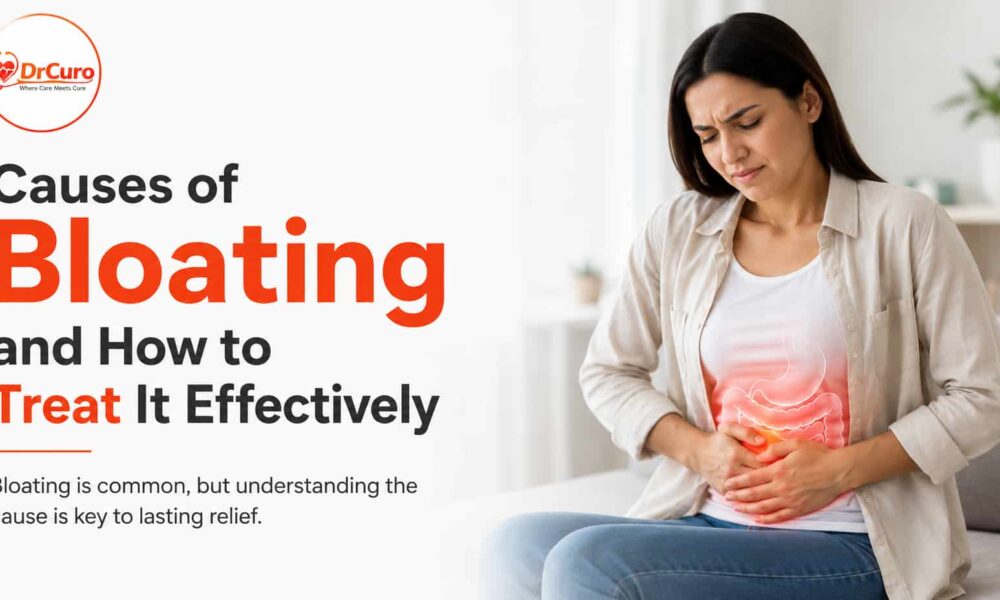
Have you ever finished a meal and suddenly felt like your stomach turned into a balloon? That tight, heavy, uncomfortable feeling is called bloating, and almost everyone deals with it at some point. For some people it happens once in a while after a big meal, and for others it becomes a regular problem that affects daily life. Bloating can make you feel sluggish, embarrassed, and even a little worried, especially when it happens often or lasts for a long time. The good news is that most bloating has simple, everyday causes that can be managed with small changes in your habits. In this blog, we will walk through why bloating happens, which foods and habits make it worse, how you can treat it at home, and when it is time to speak to a doctor about proper gastro treatment. By the end, you will have a clear and simple understanding of how to keep your stomach feeling light and comfortable.
Table Of Content
- What Exactly Is Bloating?
- Common Signs That You Are Bloated
- What Causes Bloating? A Detailed Look
- 1. Overeating
- 2. Eating Too Fast
- 3. Carbonated and Fizzy Drinks
- 4. Constipation
- 5. Natural Digestive Gas
- 6. Gas-Producing Foods
- 7. Lactose Intolerance
- 8. Food Intolerances
- 9. Irritable Bowel Syndrome (IBS)
- 10. Acid Reflux and Indigestion
- 11. Small Intestinal Bacterial Overgrowth (SIBO)
- 12. Hormonal Changes
- 13. Stress and Anxiety
- Foods That Commonly Cause Bloating
- How to Treat Bloating Effectively
- When Should You See a Doctor?
- Tests a Doctor May Recommend
- Bloating: Cause and Action at a Glance
- Simple Daily Habits to Prevent Bloating
- Final Thoughts
- Frequently Asked Questions
What Exactly Is Bloating?
Bloating is the feeling of fullness, tightness, or pressure in your stomach area. Your belly may feel swollen, your clothes may feel tighter than usual, and you may notice gas, burping, or strange stomach sounds along with it. Bloating usually happens when gas builds up in your digestive system, when food takes longer to move through your gut, or when your body struggles to break down certain foods.
It is worth knowing that bloating and a swollen belly are not always the exact same thing. Bloating is mostly a feeling of pressure inside, while a swollen or distended belly means your stomach actually looks bigger than normal from the outside. Sometimes both happen together, and sometimes only one does.
Most of the time, bloating is nothing serious. It comes, it goes, and it is usually linked to something simple like eating too fast or having a heavy meal. But when bloating becomes a regular visitor, it is a sign that something in your digestion needs attention.
Common Signs That You Are Bloated
Bloating does not feel exactly the same for everyone. Here are some of the most common signs people notice:
- A stomach that feels tight, full, or stretched
- Visible swelling in the belly area
- Excess gas or frequent need to pass wind
- Burping more than usual
- Rumbling or gurgling sounds from the stomach
- Mild pain or discomfort in the abdomen
- Feeling unusually full even after a small meal
- Constipation or loose motions along with the bloated feeling
- A heavy feeling that makes you want to loosen your belt
Paying attention to when these symptoms show up can actually help you understand what is causing them. For example, if your stomach always bloats after having milk or paneer, dairy could be the trigger. If it happens along with constipation, your bowel movements might be the real issue.
What Causes Bloating? A Detailed Look
There is no single reason why bloating happens. It can come from something as simple as eating too fast, or it can be connected to a digestive condition that needs medical care. Let’s go through the most common causes one by one.
1. Overeating
When you eat more food than your stomach can comfortably hold, it stretches out and digestion slows down. This is one of the most common and simplest reasons for bloating. Big festive meals, buffet dinners, or simply eating out of habit rather than hunger can leave your stomach feeling stuffed and heavy for hours afterward.
2. Eating Too Fast
Fast eaters tend to swallow more air along with their food, and that extra air ends up in the digestive tract, causing gas and bloating. Eating quickly also makes it harder to notice when you are actually full, so you may end up eating more than your body needs.
3. Carbonated and Fizzy Drinks
Sodas, colas, and sparkling water are full of gas bubbles. When you drink them, that gas travels into your stomach and intestines, making you feel bloated soon after.
4. Constipation
When stool sits in your intestines for too long, it creates pressure and traps gas inside your gut. This is one of the biggest reasons people feel bloated on a regular basis. Constipation often happens because of low fibre intake, not drinking enough water, sitting for long hours, or a lack of physical movement.
5. Natural Digestive Gas
Your gut is full of bacteria that help break down food, and this process naturally creates gas. This is completely normal and happens to everyone. But certain foods or an imbalance in gut bacteria can cause more gas than usual, leading to noticeable bloating.
6. Gas-Producing Foods
Some genuinely healthy foods are known to cause gas in many people. These include beans, chickpeas, lentils, cabbage, cauliflower, broccoli, and onions. This does not mean you should stop eating them, since they are good for your health. Instead, try eating smaller portions and slowly increasing the amount your body gets used to.
7. Lactose Intolerance
Many people are unable to properly digest lactose, the sugar found in milk and dairy products. If your body does not make enough of the enzyme needed to break it down, dairy can cause gas, cramps, bloating, and loose motions.

8. Food Intolerances
Apart from lactose, some people react to specific foods or ingredients, such as certain carbohydrates or artificial sweeteners. Unlike allergies, food intolerances usually cause digestive discomfort rather than a dangerous immune reaction. Keeping a simple food diary can help you spot patterns over a few weeks.
9. Irritable Bowel Syndrome (IBS)
IBS is a long-term digestive condition where the gut becomes overly sensitive. People with IBS often experience bloating along with constipation, diarrhoea, or a mix of both. Stress, certain foods, and poor sleep can make IBS symptoms worse. If you notice bloating along with ongoing changes in your bathroom habits, it may be time to consult a specialist for the right gastro treatment rather than guessing what is wrong on your own.
10. Acid Reflux and Indigestion
Bloating can also show up together with acid reflux, heartburn, and general indigestion. Eating heavy or oily food, lying down right after a meal, or eating very late at night can trigger this combination of symptoms.
11. Small Intestinal Bacterial Overgrowth (SIBO)
SIBO happens when bacteria that should mostly live in the large intestine start growing too much in the small intestine. This can cause bloating, gas, discomfort, and irregular bowel movements. Because SIBO shares symptoms with many other digestive problems, it needs to be diagnosed by a doctor rather than assumed.
12. Hormonal Changes
Many women notice bloating around their menstrual cycle. Hormonal shifts during this time can affect fluid balance in the body and slow down digestion slightly, leading to a temporarily bloated feeling that usually settles once the period ends.
13. Stress and Anxiety
Your brain and your gut are closely connected through what is often called the gut-brain link. When you are stressed, your digestion can slow down or speed up unpredictably, and you may also eat differently, chew less carefully, or skip meals altogether. All of this can add up to more bloating.
Foods That Commonly Cause Bloating
Not every food affects every person the same way, but here are some common culprits and simple ways to handle them.
| Food or Drink | Why It Causes Bloating | What You Can Do |
| Beans, rajma, chana | Produce gas while digesting | Soak well before cooking, eat smaller portions |
| Cabbage, cauliflower, broccoli | Contain compounds that ferment in the gut | Cook thoroughly, eat in moderate amounts |
| Onions and garlic | Trigger gas in sensitive people | Reduce quantity if symptoms appear |
| Milk and dairy | Hard to digest for lactose-intolerant people | Try lactose-free alternatives |
| Carbonated drinks | Add gas directly into the stomach | Switch to plain or infused water |
| Fried and oily food | Slows down digestion | Choose grilled or steamed options |
| Artificial sweeteners | Can cause gas and loose motions | Check labels, reduce intake |
| Salty and packaged food | Leads to water retention | Cut down on added salt |
| Large, heavy meals | Overstretches the stomach | Eat smaller meals more often |
How to Treat Bloating Effectively
The right way to treat bloating depends on what is causing it. For most people, small daily changes make a noticeable difference. Here are some proven ways to feel lighter and more comfortable.
- Eat smaller meals instead of one large meal, so your stomach does not get overstretched.
- Slow down while eating. Chew properly, take smaller bites, and avoid talking too much while eating, since this reduces the amount of air you swallow.
- Drink enough water throughout the day to support smooth digestion and prevent constipation.
- Add fibre gradually. Sudden increases in fibre can actually cause more gas, so increase it step by step along with plenty of water.
- Stay active. A short walk after meals can help move gas through your system and ease that heavy feeling.
- Cut back on fizzy drinks, especially if you notice bloating right after having them.
- Track your triggers. Keep a simple diary of what you eat and when bloating shows up, so you can spot patterns over time.
- Manage stress through deep breathing, light exercise, or activities that help you relax, since a calm mind often means calmer digestion.
- Avoid lying down right after eating. Give your body at least a couple of hours before resting after a meal.
If you try these changes consistently for a few weeks and bloating still does not improve, it may not just be a lifestyle issue. In such cases, getting proper gastro treatment from a qualified doctor can help identify the real cause and offer a solution that actually works for your body, instead of repeatedly guessing what might help.
When Should You See a Doctor?
Occasional bloating after a heavy meal is nothing to worry about. But you should not ignore bloating that keeps coming back or feels unusually severe. It is important to speak with a doctor if your bloating is accompanied by any of the following:
- Unexplained weight loss
- Blood in your stool
- Ongoing vomiting
- Severe or worsening stomach pain
- Fever along with digestive discomfort
- Diarrhoea that lasts for several days
- Long-lasting or severe constipation
- Feeling full very quickly, even after eating little
- A stomach that looks constantly swollen
- Sudden changes in your regular bowel habits
- Unusual tiredness or weakness
- Bloating that wakes you up at night
These symptoms do not always mean something serious is wrong, but they absolutely deserve a proper medical check-up rather than being ignored or self-treated.
Tests a Doctor May Recommend
If your bloating needs further investigation, your doctor may suggest a few simple checks based on your symptoms and history.
| Test or Check | Purpose |
| Physical examination | To check for tenderness or visible swelling |
| Blood tests | To rule out infections or other underlying issues |
| Stool tests | To check for digestive problems or infections |
| Food intolerance test | To identify specific food triggers |
| Ultrasound | To examine the abdominal organs closely |
| Endoscopy | To look inside the upper digestive tract if needed |
| Colonoscopy | To examine the large intestine when medically necessary |
Not everyone needs all these tests. Your doctor will decide what is required based on your specific symptoms and medical background.
Bloating: Cause and Action at a Glance
| Situation | Likely Cause | What To Do |
| Bloating after a heavy meal | Overeating | Eat smaller portions next time |
| Bloating after soda or cold drinks | Gas from carbonation | Switch to water |
| Bloating with constipation | Stool and gas buildup | Improve water and fibre intake |
| Bloating after milk or dairy | Possible lactose intolerance | Get checked by a doctor |
| Bloating with diarrhoea and pain | Possible IBS | Seek medical advice |
| Bloating during periods | Hormonal changes | Track symptoms, mostly settles on its own |
| Bloating with weight loss | Needs evaluation | Visit a doctor immediately |
| Bloating with blood in stool | Possible underlying condition | Seek urgent medical attention |
Simple Daily Habits to Prevent Bloating
Small, consistent habits often work better than drastic changes. Try building these into your daily routine:

- Eat your meals at roughly the same time each day
- Avoid oversized portions
- Chew food slowly and properly
- Drink water regularly through the day
- Limit fizzy and sugary drinks
- Move your body daily, even if it is just a walk
- Do not lie down right after eating
- Add fibre-rich foods slowly, not all at once
- Notice and avoid your personal trigger foods
- Get enough sleep every night
- Find healthy ways to release stress
Final Thoughts
Bloating is something almost everyone experiences at some point, and in most cases, it is nothing to be alarmed about. Overeating, eating too fast, gas-producing foods, constipation, stress, and hormonal changes are some of the most common everyday reasons behind that uncomfortable, swollen feeling. Simple habits like eating smaller meals, chewing slowly, staying hydrated, moving your body, and managing stress can bring real relief for most people. However, if your bloating keeps returning, feels severe, or comes along with other worrying symptoms, do not ignore it. Getting the right evaluation and treatment early can save you a lot of discomfort in the long run. At drcuro, we believe that understanding your digestive health is the first step toward feeling better every single day, and we are here to guide you toward the right care whenever you need it.
Frequently Asked Questions
1. Is bloating a normal thing to experience?
Yes, occasional bloating is very common and usually happens after a heavy meal, fizzy drinks, or eating too fast. It only becomes a concern when it happens frequently or lasts for a long time.
2. What is the fastest way to reduce bloating?
Drinking water, taking a gentle walk, avoiding heavy food for a while, and eating slowly can help ease mild bloating fairly quickly. If constipation is the cause, improving bowel regularity often brings relief too.
3. Can stress really cause stomach bloating?
Yes, stress affects digestion because your brain and gut are closely linked. Stress can slow down or disturb your digestive process, making bloating and other stomach issues more noticeable.
4. When should I be worried about bloating?
You should see a doctor if bloating comes with symptoms like unexplained weight loss, blood in the stool, constant vomiting, severe pain, fever, or major changes in your bowel habits. These signs need proper medical evaluation rather than home remedies.






No Comment! Be the first one.