







How Thyroid Disorders Cause Infertility
Starting a family is something many couples look forward to, but for some, getting pregnant takes much longer than expected. Most people know about the common causes of infertility, like age,...
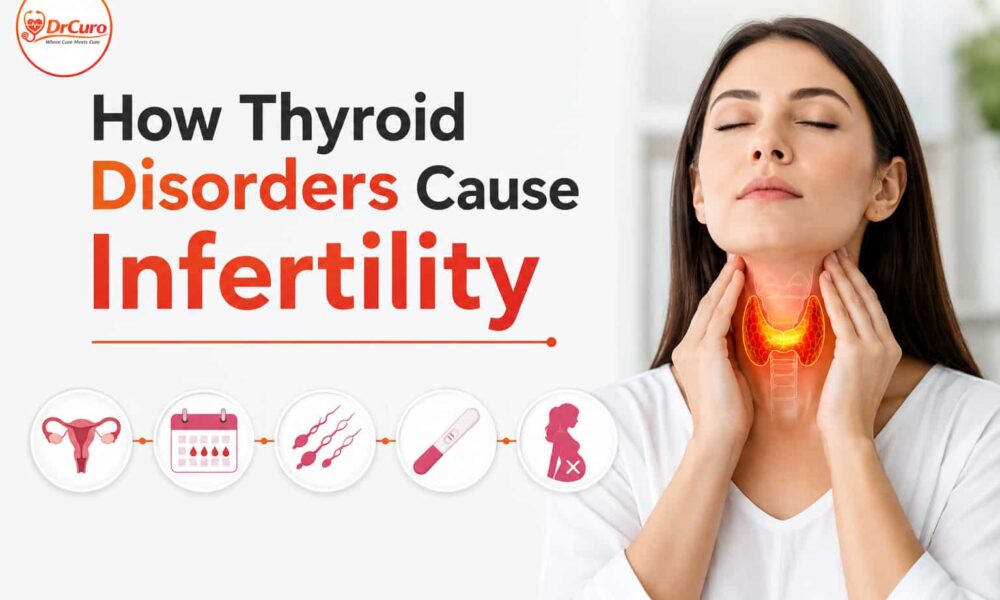
Starting a family is something many couples look forward to, but for some, getting pregnant takes much longer than expected. Most people know about the common causes of infertility, like age, hormonal imbalances, or reproductive health conditions. What fewer people realize is that thyroid disorders can also play a big role. The thyroid is a small, butterfly-shaped gland sitting at the front of your neck, but despite its size, it has a huge influence on your overall health. It produces hormones that control your metabolism, energy levels, body temperature, heart rate, and the functioning of many organs, including your reproductive system.
Table Of Content
- What Is the Thyroid Gland?
- What Are Thyroid Disorders?
- How Does the Thyroid Affect Fertility?
- Why Hormonal Balance Matters for Pregnancy
- Common Symptoms of Thyroid Disorders
- Can Thyroid Disorders Affect Both Men and Women?
- How Hypothyroidism Affects Fertility
- How Hyperthyroidism Affects Fertility
- Can Thyroid Disorders Increase Miscarriage Risk?
- How Are Thyroid Disorders Diagnosed?
- Can Treating Thyroid Disorders Improve Fertility?
- Thyroid Care as Part of Infertility Management
- Managing Thyroid Health During Pregnancy
- Foods That Support Thyroid Health
- Foods to Eat in Moderation
- Healthy Lifestyle Tips for Better Fertility
- Who Is at Higher Risk of Thyroid Disorders?
- Quick Summary: Thyroid Disorders and Fertility
- When Should You See a Doctor?
- Frequently Asked Questions
- Conclusion
When the thyroid doesn’t produce the right amount of hormones, it can throw off the delicate hormonal balance your body needs for normal ovulation in women and healthy sperm production in men. Both an underactive thyroid (hypothyroidism) and an overactive thyroid (hyperthyroidism) can make it harder to conceive naturally. The reassuring part is that thyroid disorders are usually easy to diagnose through a simple blood test, and with the right treatment, many people see real improvement in their fertility. In this guide, we’ll walk through how thyroid disorders affect fertility, the symptoms to watch for, treatment options, and practical ways to support your reproductive health, all explained in simple, everyday language.
What Is the Thyroid Gland?
The thyroid gland is a small endocrine gland located at the front of your neck, just below your Adam’s apple. Even though it’s small, it plays a big role in your body by producing two main hormones:
- Thyroxine (T4)
- Triiodothyronine (T3)
These hormones help regulate:
- Metabolism
- Energy production
- Body temperature
- Heart rate
- Brain function
- Muscle activity
- Digestion
- Growth and development
- Menstrual cycle
- Reproductive hormones
The thyroid itself is controlled by another hormone called Thyroid Stimulating Hormone (TSH), which comes from the pituitary gland in your brain. Together, these hormones keep your body’s many systems running the way they should.
What Are Thyroid Disorders?
A thyroid disorder happens when the thyroid gland produces either too much or too little hormone. Both situations can affect several organs in your body, including your reproductive system.
The two most common thyroid disorders are:
1. Hypothyroidism (Underactive Thyroid)
Hypothyroidism happens when the thyroid doesn’t produce enough hormones, which slows down many of your body’s functions. It’s one of the most common hormone disorders worldwide. Common causes include:
- Autoimmune thyroid disease (Hashimoto’s thyroiditis)
- Iodine deficiency
- Previous thyroid surgery
- Certain medications
- Radiation therapy
- Congenital thyroid disorders
2. Hyperthyroidism (Overactive Thyroid)
Hyperthyroidism happens when the thyroid produces too much hormone, causing your body’s functions to speed up. Common causes include:
- Graves’ disease
- Thyroid nodules
- Thyroid inflammation
- Excess iodine intake
- Certain medications
If left untreated, both conditions can interfere with normal reproductive hormones and fertility.
How Does the Thyroid Affect Fertility?
Your thyroid gland works closely with your brain, ovaries, testes, and other hormone-producing glands. Healthy thyroid hormone levels are necessary for your reproductive system to function normally.
When thyroid hormone levels move outside the normal range, they may:
- Disrupt ovulation in women
- Affect the menstrual cycle
- Reduce egg quality
- Alter hormone production
- Increase prolactin levels
- Affect sperm production in men
- Reduce sperm movement
- Lower sexual desire
- Increase the risk of miscarriage
- Affect embryo implantation
Because reproduction depends on a fine balance of hormones working together, even a mild thyroid imbalance can sometimes make conceiving a little harder, which is why doctors often check thyroid function as part of a broader fertility evaluation.
Why Hormonal Balance Matters for Pregnancy
Pregnancy begins with a complex chain reaction of hormones. The brain releases hormones that signal the ovaries to mature and release an egg, while the uterus prepares itself for implantation in case fertilization happens.
The thyroid supports this whole process by helping regulate:
- Estrogen
- Progesterone
- Follicle-Stimulating Hormone (FSH)
- Luteinizing Hormone (LH)
- Prolactin
When thyroid hormone levels are too high or too low, this balance can get disrupted, which may make it harder to become pregnant.
Common Symptoms of Thyroid Disorders
Thyroid symptoms often develop slowly, so they can easily be mistaken for stress, tiredness, or other everyday issues. Recognizing them early can help you seek medical advice sooner rather than later.
Symptoms of Hypothyroidism
- Constant tiredness
- Weight gain
- Feeling cold often
- Dry skin
- Hair loss
- Constipation
- Slow heart rate
- Low mood
- Heavy or irregular periods
- Difficulty becoming pregnant
Symptoms of Hyperthyroidism
- Unexplained weight loss
- Rapid heartbeat
- Feeling hot often
- Excessive sweating
- Anxiety
- Tremors
- Trouble sleeping
- Frequent bowel movements
- Irregular menstrual cycles
- Reduced fertility
If you’re noticing these symptoms alongside difficulty conceiving, it’s worth talking to your doctor about thyroid testing.
Can Thyroid Disorders Affect Both Men and Women?
Yes, they can. Thyroid disorders tend to be more common in women, but they affect fertility in men too.
In Women, thyroid disorders may:
- Prevent regular ovulation
- Cause irregular periods
- Affect egg quality
- Increase miscarriage risk
- Increase pregnancy complications

In Men, thyroid disorders may:
- Lower sperm count
- Reduce sperm motility (movement)
- Affect sperm shape
- Reduce testosterone levels
- Lower libido
- Cause erectile dysfunction in some cases
The encouraging part is that treating the underlying thyroid problem often improves reproductive health for both partners.
How Hypothyroidism Affects Fertility
Hypothyroidism is one of the thyroid conditions most closely linked to fertility problems. Low thyroid hormone levels can interfere with your normal menstrual cycle and ovulation, and without regular ovulation, it’s harder for an egg to be released each month, which lowers your chances of conceiving.
In women, hypothyroidism may cause:
- Irregular menstrual cycles
- Heavy menstrual bleeding
- Missed periods
- Delayed ovulation
- No ovulation at all (anovulation)
- Poor egg quality
- Reduced embryo implantation
- Increased miscarriage risk
- Pregnancy complications
In men, hypothyroidism may lead to:
- Low sperm count
- Reduced sperm motility
- Poor sperm quality
- Decreased testosterone levels
- Low sex drive
- Erectile dysfunction in some cases
- Fatigue that affects sexual health
Treating the thyroid disorder often helps improve sperm quality and reproductive function over time.
How Hyperthyroidism Affects Fertility
Hyperthyroidism happens when the thyroid produces too much hormone, and this excess can throw off the balance of reproductive hormones in both men and women.
Women with untreated hyperthyroidism may experience light or irregular periods, missed cycles, ovulation problems, difficulty becoming pregnant, a higher miscarriage risk, premature delivery, or low birth weight in pregnancy. Men with hyperthyroidism may notice reduced sperm quality, lower sperm concentration, poor sperm movement, hormonal imbalance, reduced fertility, and sometimes sexual dysfunction. Managing thyroid hormone levels properly often improves these reproductive issues over time.
Can Thyroid Disorders Increase Miscarriage Risk?
Yes, both hypothyroidism and hyperthyroidism can raise the risk of miscarriage, particularly when they aren’t treated before or during pregnancy. Possible complications include early pregnancy loss, high blood pressure during pregnancy, premature birth, poor fetal growth, placental problems, low birth weight, and, in cases of severe untreated thyroid hormone deficiency, developmental issues in the baby. This is exactly why many fertility specialists recommend thyroid screening for women who have had repeated miscarriages or ongoing difficulty conceiving.
How Are Thyroid Disorders Diagnosed?
Diagnosing a thyroid disorder is usually fairly simple. Your doctor will review your symptoms and medical history, examine you, and order blood tests to check your thyroid function.
| Test | Purpose |
| TSH (Thyroid Stimulating Hormone) | Measures how hard the pituitary gland is working to stimulate the thyroid |
| Free T4 | Measures the level of active thyroid hormone in your blood |
| Free T3 | Helps assess thyroid function, especially in hyperthyroidism |
| Thyroid Antibody Tests | Detect autoimmune thyroid diseases like Hashimoto’s or Graves’ disease |
| Thyroid Ultrasound | Evaluates the size and structure of the thyroid gland |
Alongside these, fertility specialists may also recommend hormone tests, ovulation monitoring, semen analysis, or ultrasound scans depending on your specific situation.
Can Treating Thyroid Disorders Improve Fertility?
In many cases, yes. Correcting abnormal thyroid hormone levels often restores normal reproductive function and improves your chances of conceiving.
Treatment for hypothyroidism usually involves thyroid hormone replacement medication, and may include:
- Levothyroxine tablets
- Regular blood tests to monitor TSH
- Dose adjustments during pregnancy
- Routine follow-up appointments

Treatment for hyperthyroidism may involve:
- Anti-thyroid medications
- Radioactive iodine therapy (not suitable during pregnancy)
- Thyroid surgery in selected cases
- Regular thyroid monitoring
Keeping thyroid hormone levels within a healthy range plays an important role in improving fertility and supporting a healthy pregnancy.
Thyroid Care as Part of Infertility Management
For many couples struggling to conceive, checking thyroid health is often one of the first steps before moving on to more advanced fertility procedures. Even a mild thyroid imbalance can affect ovulation, sperm quality, implantation, and early pregnancy. Correcting thyroid hormone levels may improve the chances of natural conception and can also make assisted reproductive techniques more effective.
When planning infertility treatment, fertility specialists often recommend thyroid function testing upfront, since untreated thyroid disorders can reduce how well fertility medications, ovulation induction, intrauterine insemination (IUI), or in vitro fertilization (IVF) actually work. Managing thyroid health alongside other fertility concerns helps create a more favorable environment for conception and a healthy pregnancy.
Managing Thyroid Health During Pregnancy
Once pregnancy is confirmed, healthy thyroid function becomes even more important. Thyroid hormones support the baby’s growth and development, especially in the first trimester, when the baby’s own thyroid gland hasn’t fully developed yet. During this window, the baby actually depends on the mother’s thyroid hormones for healthy brain and nervous system development.
Women with untreated thyroid disorders may face a higher risk of pregnancy complications. However, with regular monitoring, the right medication, and consistent prenatal care, many women with thyroid disorders go on to have healthy pregnancies and healthy babies. Doctors may recommend regular thyroid blood tests during pregnancy, adjusting medication doses as needed, monitoring the baby’s growth through routine check-ups, following a balanced diet, taking medications exactly as prescribed, and attending all scheduled antenatal appointments.
Foods That Support Thyroid Health
A healthy, balanced diet can help support normal thyroid function. Food alone can’t cure a thyroid disorder, but the right nutrients genuinely support your overall health.
| Food | Benefits |
| Fish | Good source of iodine and protein |
| Eggs | Provide iodine, selenium, and protein |
| Dairy products | Contain iodine and calcium |
| Yogurt | Supports thyroid function and gut health |
| Nuts (especially Brazil nuts) | Rich in selenium |
| Pumpkin seeds | Good source of zinc |
| Lentils and beans | Provide protein and iron |
| Whole grains | Support overall nutrition |
| Fresh fruits | Rich in vitamins and antioxidants |
| Green leafy vegetables | Provide essential nutrients for overall health |
A varied diet with different food groups goes a long way in supporting both general and reproductive health.
Foods to Eat in Moderation
Certain foods can affect thyroid function if eaten in very large amounts, particularly in people who already have iodine deficiency or an untreated thyroid condition. These foods don’t need to be completely avoided; they’re simply worth eating in normal, sensible portions as part of a balanced diet. Examples include cabbage, broccoli, cauliflower, kale, soy products, and millet. Cooking these vegetables reduces their effect on thyroid hormone production, and most people can continue enjoying them without any issue.
Healthy Lifestyle Tips for Better Fertility
Along with medical treatment, everyday habits can support both thyroid health and reproductive health. Helpful habits include:
- Maintaining a healthy body weight
- Exercising regularly
- Eating a balanced diet
- Sleeping 7 to 9 hours each night
- Managing stress through yoga, meditation, or deep breathing
- Avoiding smoking
- Limiting alcohol consumption
- Staying physically active
- Taking prescribed medications consistently
- Keeping all medical follow-up appointments
Who Is at Higher Risk of Thyroid Disorders?
Some people are more likely to develop thyroid disease than others. Risk factors include:
- Family history of thyroid disease
- Autoimmune disorders
- Being a woman over 30 years of age
- Previous thyroid surgery
- Iodine deficiency
- Pregnancy or recent childbirth
- Radiation treatment to the neck
- Certain medications
- Type 1 diabetes
- Other hormonal disorders
If any of these apply to you, it’s worth discussing thyroid screening with your doctor, especially if you’re planning a pregnancy.
Quick Summary: Thyroid Disorders and Fertility
| Thyroid Disorder | Possible Effect on Fertility |
| Hypothyroidism | Irregular ovulation, heavy periods, reduced fertility, miscarriage risk |
| Hyperthyroidism | Irregular menstrual cycles, ovulation problems, difficulty conceiving |
| High TSH | Hormonal imbalance affecting ovulation |
| Low thyroid hormones | Reduced egg quality and implantation |
| Excess thyroid hormones | Menstrual irregularities and pregnancy complications |
| Thyroid problems in men | Reduced sperm count, poor sperm quality, decreased fertility |
When Should You See a Doctor?
It’s worth speaking with a healthcare professional if:
- You’ve been trying to conceive for 12 months without success (or 6 months if you’re over 35)
- Your menstrual cycles are irregular
- You have symptoms of hypothyroidism or hyperthyroidism
- You’ve experienced repeated miscarriages
- You have a family history of thyroid disease
- You’ve previously been diagnosed with a thyroid disorder
- You’re dealing with unexplained infertility
Early diagnosis and timely treatment can make a real difference in improving fertility outcomes and reducing the risk of pregnancy complications.
Frequently Asked Questions
Can thyroid disorders cause infertility?
Yes. Both hypothyroidism and hyperthyroidism can disrupt hormone balance, ovulation, and sperm production, making it more difficult to conceive.
Can thyroid treatment improve fertility?
In many cases, yes. Correcting thyroid hormone levels often restores normal reproductive function and can improve the chances of natural conception or successful fertility treatment.
Should I get my thyroid tested before trying to conceive?
If you have symptoms of thyroid disease, irregular periods, repeated miscarriages, or a family history of thyroid disorders, your doctor may recommend thyroid testing before you start trying to conceive.
Can men with thyroid disorders become infertile?
Yes. Thyroid disorders can affect sperm count, sperm quality, sperm movement, testosterone levels, and sexual function in some men.
Is hypothyroidism more common than hyperthyroidism?
Yes. Hypothyroidism is generally more common and is one of the leading hormone-related causes of fertility issues in women.
Can I have a healthy pregnancy with a thyroid disorder?
Yes. With early diagnosis, proper medication, and regular medical monitoring, many women with thyroid disorders go on to have healthy pregnancies and healthy babies.
How often should thyroid levels be checked?
This depends on your specific situation. People planning a pregnancy or undergoing thyroid treatment may need regular blood tests as advised by their doctor.
Conclusion
Thyroid disorders are a common but often overlooked cause of infertility in both men and women. Since the thyroid gland plays such a central role in regulating the hormones that control ovulation, sperm production, menstrual cycles, and pregnancy, even a mild imbalance can make conceiving more difficult. The good news is that most thyroid disorders can be picked up with a simple blood test and managed effectively with the right treatment. Early diagnosis, regular monitoring, and following your doctor’s advice can help restore hormonal balance and meaningfully improve fertility outcomes.
If you’ve been trying to conceive without success, have irregular menstrual cycles, have experienced repeated miscarriages, or notice symptoms like unexplained weight changes, fatigue, or changes in heart rate, it’s worth discussing thyroid testing with your healthcare provider. Catching and treating a thyroid problem early can genuinely improve your chances of a healthy pregnancy.
At drcuro, we’re committed to giving you reliable, easy-to-understand health information that helps you make informed decisions about your reproductive health. Understanding the connection between thyroid disorders and infertility is the first step toward timely diagnosis, the right treatment, and a healthier path forward. With proper medical care, a healthy lifestyle, and consistent follow-up, many people with thyroid disorders are able to successfully move forward on their journey to parenthood.






No Comment! Be the first one.