





IVF Risks and Complications: Complete Guide
Deciding to start IVF treatment is a big step. For most people, it comes after months or years of trying to have a baby, and it brings a mix of hope and worry at the same time. IVF treatment has...
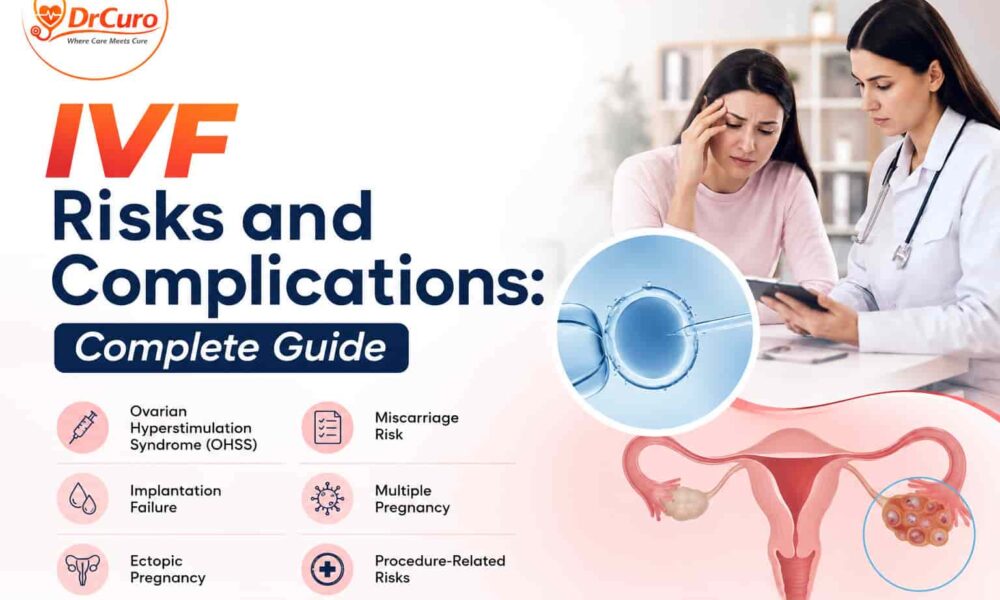
Deciding to start IVF treatment is a big step. For most people, it comes after months or years of trying to have a baby, and it brings a mix of hope and worry at the same time. IVF treatment has helped millions of families around the world have healthy babies, and the process has become safer and more advanced than it was even ten years ago. But like any medical treatment, IVF treatment is not completely free of risks. Some of these risks are mild and go away on their own in a day or two. Others are rare but need quick medical attention. This guide walks you through the real risks of IVF treatment, in simple words, so you know what to expect, what is normal, and what needs a call to your doctor.
Table Of Content
- What Is IVF Treatment, in Simple Words
- Why You Should Know the Risks Before Starting
- Is IVF Treatment Safe?
- Common Side Effects During IVF Treatment (Usually Nothing to Worry About)
- Common Side Effects vs Serious Complications
- What Increases Your Risk During IVF Treatment
- The Major Risks and Complications of IVF Treatment, Explained
- 1. Ovarian Hyperstimulation Syndrome (OHSS)
- 2. Multiple Pregnancy (Twins or More)
- 3. Ectopic Pregnancy
- 4. Miscarriage
- 5. Risks From Egg Retrieval
- 6. Infection
- 7. Emotional Ups and Downs
- 8. Questions About Birth Defects
- 9. Blood Clots (Rare)
- 10. Ovarian Torsion (Very Rare)
- IVF Treatment Risks at a Glance
- How to Lower Your Risk During IVF Treatment
- Warning Signs You Should Never Brush Off
- Myths About IVF Treatment vs What’s Actually True
- Frequently Asked Questions
- Final Thoughts
What Is IVF Treatment, in Simple Words
IVF stands for In Vitro Fertilization. In simple words, it means taking an egg from the woman’s body and sperm from the man’s body, and joining them together in a lab, outside the body. Once the egg turns into a healthy embryo, the doctor places it back into the uterus, where it can grow into a pregnancy.
Doctors suggest IVF treatment for many reasons, such as:
- Blocked or damaged fallopian tubes
- Low sperm count or weak sperm movement
- PCOS or other ovulation problems
- Endometriosis
- Unexplained infertility that has no clear cause
- Trying to have a baby at an older age
- IUI cycles that did not work
- Wanting to avoid passing on a genetic condition
IVF treatment involves several steps hormone injections, regular scans, egg collection, lab fertilization, and embryo transfer. Each step is generally safe, but each one also carries its own small risks, which we’ll go through below.
Why You Should Know the Risks Before Starting
A lot of people only hear the happy stories about IVF treatment a friend’s success, a celebrity announcement, a positive post online. What they don’t always hear about is the full picture. And every person’s body responds differently to treatment, based on age, weight, hormone levels, egg count, and overall health.
Knowing the risks ahead of time helps you in a few real ways:
- You can ask your doctor better questions before you begin.
- You’ll know which symptoms are just part of the process and which ones are warning signs.
- You’ll feel less panicked if a mild side effect shows up, because you were already told about it.
- You can plan your work, rest, and support system around the treatment.
- You reduce the chance of ignoring a serious symptom because you assumed it was “normal.”
This isn’t about scaring you away from IVF treatment. It’s about walking in with open eyes.
Is IVF Treatment Safe?
Short answer: yes, for most women, IVF treatment is safe. It’s been performed for decades, and clinics now use better hormone protocols, closer monitoring, and improved lab techniques than ever before.
That said, “safe” doesn’t mean “risk-free for everyone.” How safe it is for you personally depends on things like:
- Your age
- How many eggs your ovaries can still produce (ovarian reserve)
- Any existing health conditions like diabetes, thyroid issues, or PCOS
- Your weight and lifestyle habits
- Whether you’ve had IVF before and how your body reacted
- The skill and experience of your fertility clinic
This is exactly why a good clinic runs a full set of tests before starting IVF treatment — blood work, scans, hormone panels so the plan is built around your body, not a generic template.
Common Side Effects During IVF Treatment (Usually Nothing to Worry About)
Most side effects during IVF treatment are mild and temporary. They come from the hormone medications or from the small procedures involved, and they usually settle down within a few days.
- Bloating — The ovaries grow larger than usual because they’re producing several eggs at once, and this can make your belly feel tight or swollen.
- Mild cramping or pain — Especially after egg collection, some cramping in the lower belly is common and usually eases within a day or two.
- Light spotting — A little bleeding after egg retrieval or embryo transfer is normal since a thin instrument passes through the cervix.
- Sore or tender breasts — Hormone medication can make breasts feel heavier or more sensitive.
- Mood swings — Rising and falling hormone levels can make you feel more emotional, teary, or irritable than usual.
- Tiredness — Between the injections, the appointments, and the emotional weight of it all, feeling drained is very common.
- Mild nausea — Some women feel slightly sick to their stomach, particularly right after the egg retrieval procedure.
None of these usually need treatment beyond rest, water, and time. But it helps to know the difference between “uncomfortable” and “dangerous” which is covered in the table below.
Common Side Effects vs Serious Complications
| Common Side Effects (Usually Mild) | Serious Complications (Need Medical Attention) |
| Mild bloating | Ovarian Hyperstimulation Syndrome (OHSS) |
| Mild cramping after egg retrieval | Internal bleeding from the ovary |
| Light spotting | Infection after egg retrieval |
| Breast tenderness | Ectopic pregnancy |
| Mood swings | Ovarian torsion (twisted ovary) |
| Tiredness | Severe allergic reaction to medication |
| Mild nausea | Blood clots |
If your symptom sits clearly in the left column, it usually just needs rest. If it matches anything in the right column or feels sudden, severe, or getting worse fast call your clinic immediately rather than waiting it out.
What Increases Your Risk During IVF Treatment
Not everyone carries the same level of risk. Some factors make a person more likely to run into complications, which is why doctors look at your full medical history before starting:
- Being over the age of 35
- Having PCOS
- Having a very high or very low egg reserve
- A history of failed IVF cycles before
- Being significantly overweight or underweight
- Smoking
- Diabetes or thyroid disease that isn’t well controlled
- Severe endometriosis
- Past pelvic surgeries
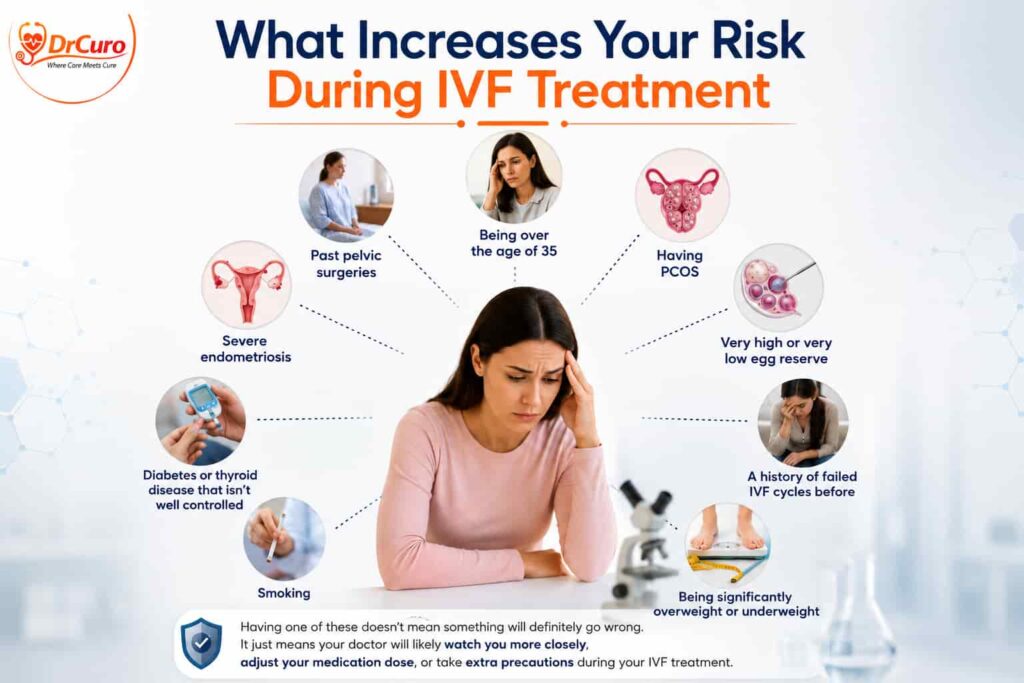
Having one of these doesn’t mean something will definitely go wrong. It just means your doctor will likely watch you more closely, adjust your medication dose, or take extra precautions during your IVF treatment.
The Major Risks and Complications of IVF Treatment, Explained
1. Ovarian Hyperstimulation Syndrome (OHSS)
This is the complication most people have heard of. During IVF treatment, medication pushes the ovaries to grow several eggs instead of the usual one. Sometimes the ovaries overreact, swell up, and leak fluid into the belly. Mild OHSS is fairly common and usually improves with rest and fluids. Severe OHSS is much less common but can need hospital care.
Watch for: fast weight gain over a couple of days, a swollen or very tight belly, trouble breathing, vomiting, or passing very little urine.
2. Multiple Pregnancy (Twins or More)
It sounds exciting, but carrying twins or triplets is riskier than carrying one baby for both the mother and the babies. Risks include early labor, low birth weight, high blood pressure in pregnancy, and a higher chance of needing a C-section. This is exactly why many clinics now push for Single Embryo Transfer (SET) instead of putting back two or three embryos at once.
3. Ectopic Pregnancy
Even though the embryo is placed directly into the uterus during IVF treatment, in rare cases it can still implant in the fallopian tube instead. This is dangerous if it isn’t caught early, because it cannot grow into a normal pregnancy. Doctors track hCG hormone levels and do early scans specifically to rule this out.
Watch for: sharp one-sided belly pain, unusual bleeding, shoulder pain, or feeling dizzy or faint.
4. Miscarriage
A positive pregnancy test is a huge moment, but miscarriage can still happen after IVF treatment, just like in a natural pregnancy. It’s usually tied to the mother’s age, the embryo’s chromosomes, or an underlying health issue not caused by the IVF process itself. Genetic testing of embryos (called PGT) is sometimes used to lower this risk in certain patients.
5. Risks From Egg Retrieval
Egg collection is a minor procedure done under sedation, guided by ultrasound. It’s low-risk, but not zero-risk. Rare complications include mild internal bleeding, infection, or in very rare cases, injury to a nearby organ. Most women go home the same day and feel back to normal within a couple of days.
6. Infection
Uncommon, but possible if bacteria enter the body during egg retrieval. Symptoms include fever, growing pelvic pain, unusual discharge, or chills. Clinics use sterile equipment and, if needed, antibiotics to manage this quickly.
7. Emotional Ups and Downs
This one gets skipped a lot, but it’s real. The injections, the waiting, the cost, the appointments, the uncertainty it adds up. Some people going through IVF treatment deal with anxiety, low mood, disrupted sleep, or tension with their partner. This deserves just as much attention as the physical side effects.
8. Questions About Birth Defects
This worries a lot of people. Current research shows most babies born through IVF treatment are perfectly healthy. Some studies note a small increase in certain birth defects, but many experts believe this links more to the parents’ age or the underlying fertility issue than to the IVF process itself. Regular prenatal checkups matter a lot here.
9. Blood Clots (Rare)
Very uncommon, but the risk can rise slightly in women who develop severe OHSS or already have a clotting disorder. Sudden leg swelling, chest pain, or trouble breathing needs urgent care.
10. Ovarian Torsion (Very Rare)
This happens when an enlarged ovary twists on itself, cutting off its own blood supply. It’s rare but painful and needs quick treatment sudden, severe pelvic pain along with nausea or trouble walking is the main sign.
IVF Treatment Risks at a Glance
| Risk | Main Symptoms | How It’s Usually Managed |
| OHSS | Bloating, fast weight gain, breathing trouble | Careful dosing, close monitoring |
| Multiple Pregnancy | Twins/triplets, early labor risk | Single Embryo Transfer when possible |
| Ectopic Pregnancy | One-sided pain, bleeding | Early hCG tests and scans |
| Miscarriage | Pregnancy loss | Embryo testing, managing health conditions |
| Egg Retrieval Issues | Mild pain, light bleeding | Ultrasound guidance, experienced hands |
| Infection | Fever, pelvic pain | Sterile procedure, antibiotics if needed |
| Emotional Strain | Anxiety, low mood, poor sleep | Counseling, support groups |
| Blood Clots | Leg swelling, chest pain | Screening high-risk patients early |
| Ovarian Torsion | Sudden severe pain | Fast diagnosis and treatment |
How to Lower Your Risk During IVF Treatment
You can’t remove every risk, but you can lower the odds quite a bit with a few habits:
- Take your medication exactly as prescribed don’t skip or change doses on your own.
- Show up to every scan and blood test, even the ones that feel repetitive.
- Tell your clinic about new symptoms right away instead of waiting to see if they pass.
- Try to reach a healthy body weight before you start, if you can.
- Eat a balanced diet more fruits, vegetables, whole grains, and water; less processed food and sugar.
- Cut out smoking and heavy drinking well before treatment starts.
- Get your diabetes, thyroid, or other conditions under control before beginning IVF treatment.
- Ask your doctor directly about Single Embryo Transfer if multiple pregnancy is a concern for you.
Warning Signs You Should Never Brush Off
Some discomfort is expected. These signs are not:
- Severe belly pain that keeps getting worse
- Rapid weight gain over just a couple of days
- Trouble breathing
- Heavy vaginal bleeding, not just spotting
- Nonstop vomiting
- A high fever
- A belly that looks visibly swollen or tight
- Chest pain
- Sudden swelling in just one leg
- Fainting or feeling like you might pass out
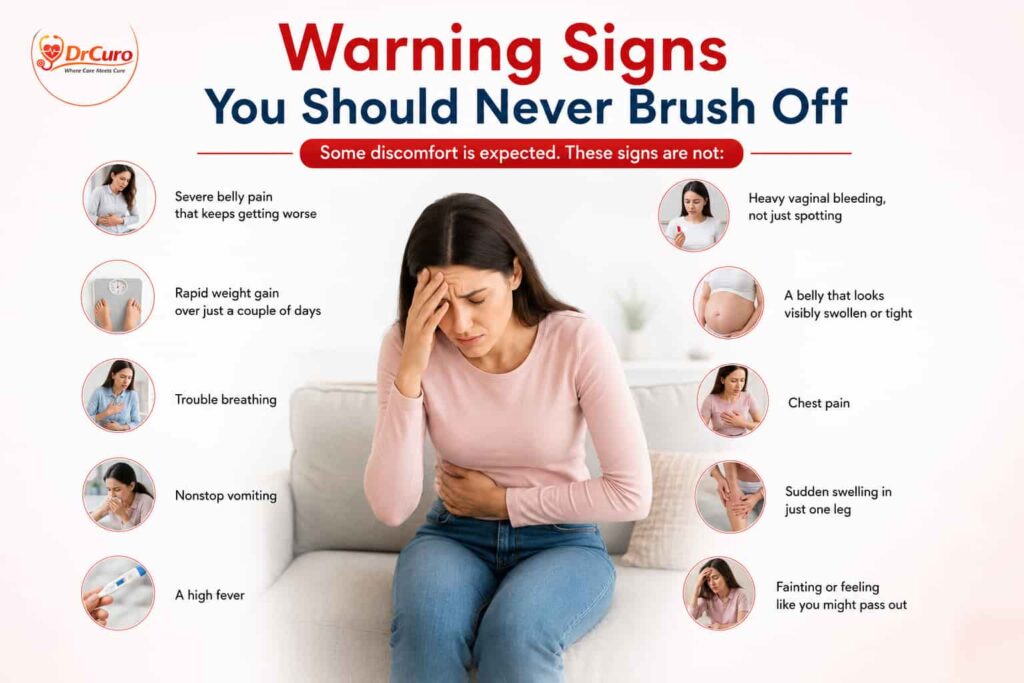
If any of these show up, call your clinic right away instead of waiting for your next scheduled visit.
Myths About IVF Treatment vs What’s Actually True
| Myth | Fact |
| IVF treatment is dangerous | It’s generally safe when done by an experienced fertility team |
| Everyone gets serious complications | Most side effects are mild; serious ones are uncommon |
| IVF always results in twins | Single Embryo Transfer has made twins far less common now |
| IVF babies are unhealthy | Most IVF babies are born healthy |
| IVF causes miscarriage | Age and embryo quality matter far more than the IVF process itself |
| You need weeks of bed rest after transfer | Most women resume normal activity within a day or two |
Frequently Asked Questions
Is IVF treatment painful?
Most of it isn’t painful, just uncomfortable injections can sting a little, and egg retrieval is done under sedation, so you shouldn’t feel it happening.
What’s the most common complication of IVF treatment?
OHSS is the one doctors talk about most, though modern protocols have made severe cases much less frequent than they used to be.
Will IVF treatment affect my fertility later on?
For most women, no. The process doesn’t use up more eggs than your body would have released naturally that month.
How do I lower my risk before I even start?
Get your weight, blood sugar, and thyroid levels in a good range beforehand, and choose a clinic with real experience and good monitoring.
Are IVF babies healthy?
The large majority are. Regular prenatal care after a successful IVF treatment plays a big role in that outcome.
Final Thoughts
IVF treatment has given millions of people the chance to become parents when it seemed impossible. Most of the risks covered here are either mild and short-lived, or rare enough that they’re unlikely to affect you personally. What matters most is going in informed knowing which symptoms are just part of the process, which ones need a phone call, and how to lower your risk before you even begin.
The right clinic, a treatment plan built around your body, and honest communication with your doctor make a real difference in how smoothly IVF treatment goes. At Dr Curo, we believe people deserve clear, honest, and easy-to-understand health information not just success stories, but the full picture, so you can make decisions with confidence. Whether you’re just starting to explore IVF treatment or preparing for your next cycle, we’re here to help you understand every step of the journey.





No Comment! Be the first one.