








Liver Function Test: Normal Values and What They Mean
Your liver is one of the hardest-working organs in your body. Every single day, it filters toxins out of your blood, helps you digest food, stores important vitamins and minerals, makes proteins your...
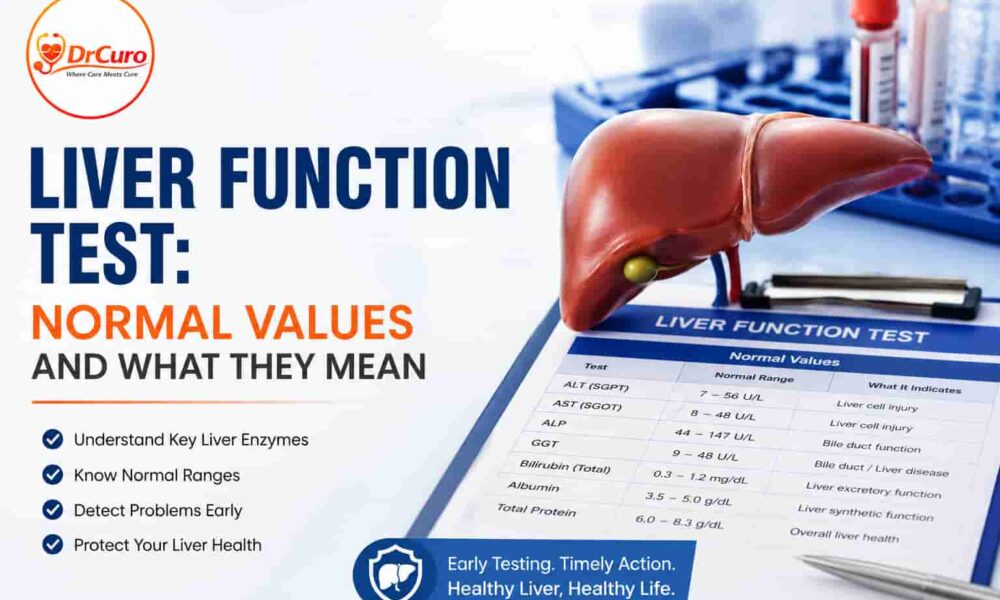
Your liver is one of the hardest-working organs in your body. Every single day, it filters toxins out of your blood, helps you digest food, stores important vitamins and minerals, makes proteins your body needs, and keeps many chemical processes running smoothly behind the scenes. The tricky part is that your liver does all of this quietly, without complaining. It rarely sends out warning signs until a problem has already progressed. This is exactly why doctors often ask patients to get a Liver Function Test (LFT) done, even when they are not feeling particularly unwell.
Table Of Content
- What Is a Liver Function Test (LFT)?
- Why Does a Liver Function Test Matter?
- What Exactly Does a Liver Function Test Measure?
- Normal Liver Function Test Values
- What Do High or Low Results Actually Mean?
- Common Reasons for Abnormal Liver Function Test Results
- When Should You See a Doctor?
- How to Keep Your Liver Healthy
- Foods That Support Liver Health
- Frequently Asked Questions
- Conclusion
A Liver Function Test is a simple blood test. It measures certain enzymes, proteins, and waste products that your liver produces or processes. By looking at these numbers, a doctor can get a fairly clear picture of whether your liver is healthy, inflamed, infected, or under stress from something else going on in your body. If you have recently had blood work done and are staring at a report full of unfamiliar terms and numbers, this guide will help you make sense of it in plain, simple language.
What Is a Liver Function Test (LFT)?
A Liver Function Test is not just one test. It is actually a group of blood tests done together, and each one tells doctors something a little different about your liver. Some of these tests show whether liver cells have been damaged. Others show how well your liver is performing its everyday jobs, like making proteins or clearing waste from your blood.
Doctors usually order an LFT during a routine health check-up, before a surgery, when a patient shows symptoms that could point to liver trouble, or to keep an eye on someone who already has a liver condition. Since many liver diseases develop slowly and quietly, regular testing genuinely helps catch problems early, when they are much easier to treat.
An LFT is generally used to:
- Check whether your liver is working normally
- Detect early signs of liver inflammation or infection
- Help diagnose conditions such as fatty liver disease, hepatitis, or cirrhosis
- Track how certain medicines might be affecting your liver
- Evaluate your liver’s health before you undergo surgery
- Monitor recovery after any liver-related treatment
- Assess liver health in people who drink alcohol regularly
- Investigate symptoms like jaundice, constant tiredness, or abdominal pain
The test itself is quick and simple. A small blood sample is taken from a vein in your arm, and results are usually available within a day, depending on the lab.
Why Does a Liver Function Test Matter?
A lot of people assume they will feel some kind of pain if their liver is struggling. That is often not true. The liver has an incredible ability to repair itself, which sounds like a good thing, but it also means that damage can quietly build up for months, sometimes years, before you notice anything wrong. By the time symptoms actually show up, the underlying liver problem may already be fairly advanced. This is why an LFT is so valuable. It can flag a problem long before you would ever feel it.
Your doctor may suggest an LFT if you:
- Feel unusually tired most of the time
- Notice yellowing of your skin or the whites of your eyes
- Have pain in the upper right side of your abdomen
- Notice your urine is darker than usual
- Have lost your appetite without any clear reason
- Feel nauseous or vomit frequently
- Have unexplained swelling in your abdomen or legs
- Drink alcohol on a regular basis
- Have diabetes or are living with obesity
- Take medicines known to affect the liver
- Have a family history of liver disease
- Have been exposed to viral hepatitis
Catching liver issues early can genuinely prevent serious complications later on and can make treatment far more effective.
What Exactly Does a Liver Function Test Measure?
An LFT checks several different substances in your blood, and each one gives your doctor a slightly different piece of the puzzle.
| Test | What It Measures | Why It Matters |
| Alanine Aminotransferase (ALT) | Liver enzyme | High levels can point to liver injury or inflammation |
| Aspartate Aminotransferase (AST) | Liver and muscle enzyme | Raised levels may suggest liver or muscle damage |
| Alkaline Phosphatase (ALP) | Enzyme from liver and bones | High levels may point to bile duct blockage or liver disease |
| Gamma-Glutamyl Transferase (GGT) | Liver enzyme | Helps detect bile duct problems and alcohol-related liver issues |
| Bilirubin | Waste product from red blood cells | High levels can cause jaundice and hint at liver dysfunction |
| Albumin | Protein made by the liver | Low levels may suggest poor liver function or chronic illness |
| Total Protein | Albumin and globulin combined | Helps assess liver function and nutrition status |
| Prothrombin Time (PT/INR) | Blood clotting ability | Shows how well the liver is producing clotting proteins |
Normal Liver Function Test Values
Reference ranges can differ slightly from lab to lab depending on the equipment and method used, but here are the values generally considered normal for a healthy adult:
| Liver Test | Normal Range | What It Tells You |
| ALT | 7–56 U/L | Indicates the health of liver cells |
| AST | 10–40 U/L | Helps detect liver or muscle injury |
| ALP | 44–147 U/L | Evaluates bile ducts and liver function |
| GGT | 9–48 U/L | Detects liver and bile duct disorders |
| Total Bilirubin | 0.1–1.2 mg/dL | Measures how well the liver processes bilirubin |
| Albumin | 3.5–5.0 g/dL | Reflects the liver’s protein-making ability |
| Total Protein | 6.3–8.0 g/dL | Measures overall blood protein levels |
| PT | 11–13.5 seconds | Assesses blood clotting function |
| INR | 0.8–1.1 | Indicates normal blood clotting ability |
Always check your own report against the reference range printed by your specific lab, since small variations are completely normal.
What Do High or Low Results Actually Mean?
Seeing a number outside the “normal” column can feel alarming, but it does not automatically mean something is seriously wrong. Here is a simple breakdown of what each test result might indicate.
ALT (Alanine Aminotransferase): This enzyme lives mostly inside liver cells, so when those cells get damaged or inflamed, ALT leaks into your bloodstream and levels rise. A high ALT can be linked to fatty liver disease, viral hepatitis, alcohol-related liver disease, certain medicines, obesity, or liver infections. A mildly elevated ALT is fairly common and often improves with healthier habits, while a very high reading usually needs further evaluation.
AST (Aspartate Aminotransferase): AST is found not just in the liver but also in the heart, muscles, and kidneys. Because of this, doctors usually compare AST alongside ALT. If AST is noticeably higher than ALT, especially in someone who drinks alcohol regularly, it can point toward alcohol-related liver damage.
ALP (Alkaline Phosphatase): ALP comes from the liver, bile ducts, and bones. A high ALP often signals a problem with bile flow, such as blocked bile ducts or gallstones, though it can also rise due to bone conditions or pregnancy.
GGT (Gamma-Glutamyl Transferase): GGT is particularly useful for figuring out whether a raised ALP is coming from the liver or from the bones. It is commonly elevated in people who drink alcohol heavily or who have fatty liver disease or bile duct issues.
Bilirubin: This yellow pigment forms when old red blood cells break down. When bilirubin builds up because the liver cannot process it properly, it can cause yellowing of the skin and eyes, dark urine, pale stools, and itching. Causes range from hepatitis and gallstones to certain inherited disorders.
Albumin: This protein, made by the liver, helps maintain fluid balance in your body. Low albumin can be a sign of chronic liver disease, poor nutrition, kidney disease, or long-term inflammation, and it can lead to swelling in the legs, feet, or abdomen.
Total Protein: This combines albumin and globulin levels. Low total protein may point to liver disease, malnutrition, or kidney disease, while high levels can be linked to chronic inflammation or certain infections.
PT and INR: Your liver produces the proteins responsible for clotting your blood. A prolonged PT or a high INR can mean the liver is not producing enough of these clotting factors, which may be seen in chronic liver disease, liver failure, or vitamin K deficiency.
Common Reasons for Abnormal Liver Function Test Results
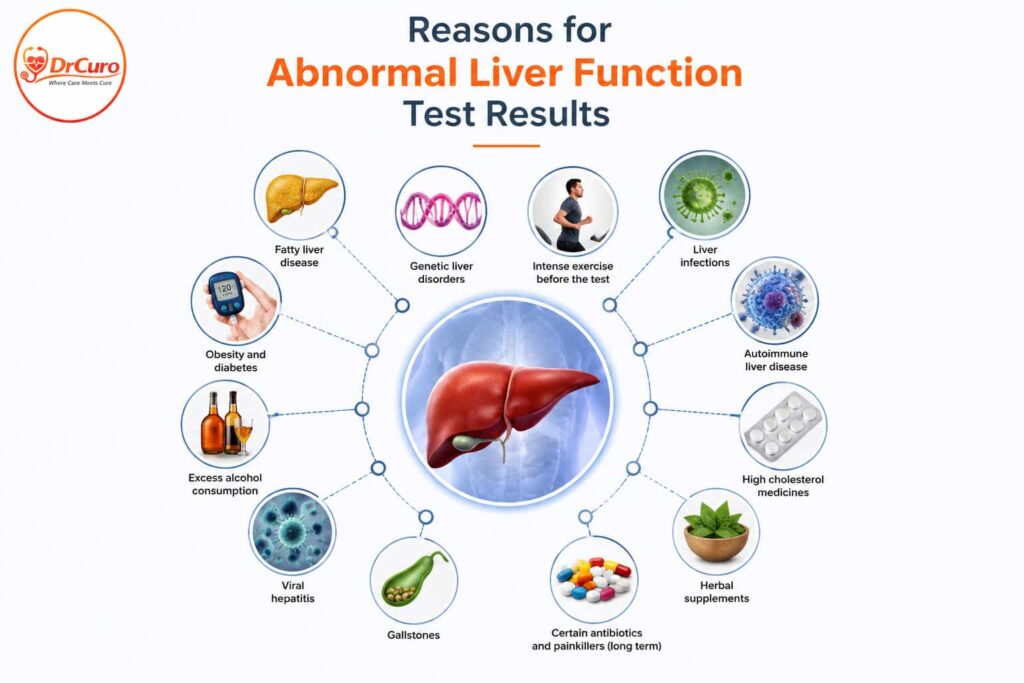
Abnormal LFT numbers can happen for all sorts of reasons, and not all of them are serious. Some causes are:
- Fatty liver disease
- Obesity and diabetes
- Excess alcohol consumption
- Viral hepatitis
- Gallstones
- Certain antibiotics and painkillers taken over long periods
- Herbal supplements
- High cholesterol medicines
- Autoimmune liver disease
- Liver infections
- Genetic liver disorders
- Intense exercise shortly before the blood test
Because there are so many possible explanations, doctors rarely rely on a single abnormal number to make a diagnosis. They will usually want to repeat the test, review your symptoms, and sometimes order an ultrasound or other imaging before drawing any conclusions.
When Should You See a Doctor?
You should reach out to a healthcare professional if your Liver Function Test remains abnormal on repeat testing, if you are experiencing ongoing symptoms like fatigue, jaundice, or abdominal discomfort, or if you fall into a higher-risk group such as people with obesity, diabetes, heavy alcohol use, or a family history of liver disease. Depending on what your doctor finds, they may recommend additional blood work, an abdominal ultrasound, a Fibro Scan, or a CT or MRI scan to get a clearer picture.
In some cases, your doctor may refer you to a gastroenterologist for specialised gastro treatment, especially if imaging or blood work suggests a bile duct issue, chronic hepatitis, or another digestive-system-related liver condition. Seeing a specialist early can make a real difference in how quickly and effectively the underlying issue is managed.
How to Keep Your Liver Healthy
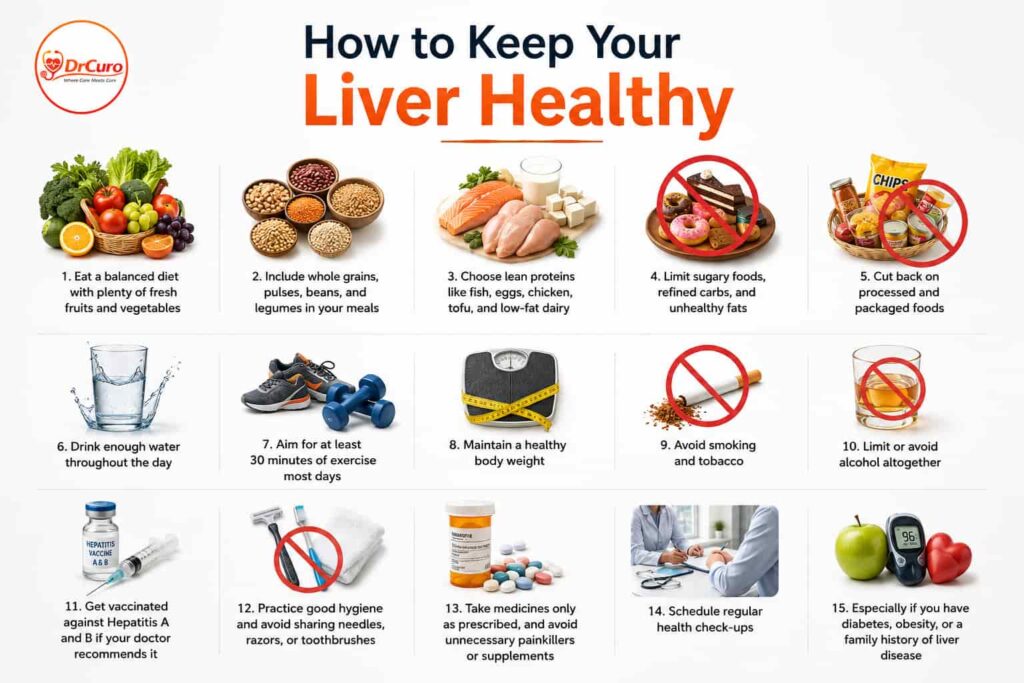
The good news is that your liver responds really well to healthy habits, and small daily choices can add up to a big difference over time.
- Eat a balanced diet with plenty of fresh fruits and vegetables
- Include whole grains, pulses, beans, and legumes in your meals
- Choose lean proteins like fish, eggs, chicken, tofu, and low-fat dairy
- Limit sugary foods, refined carbs, and unhealthy fats
- Cut back on processed and packaged foods
- Drink enough water throughout the day
- Aim for at least 30 minutes of exercise most days
- Maintain a healthy body weight
- Avoid smoking and tobacco
- Limit or avoid alcohol altogether
- Get vaccinated against Hepatitis A and B if your doctor recommends it
- Practice good hygiene and avoid sharing needles, razors, or toothbrushes
- Take medicines only as prescribed, and avoid unnecessary painkillers or supplements
- Schedule regular health check-ups, especially if you have diabetes, obesity, or a family history of liver disease
Foods That Support Liver Health
| Food | Benefit for the Liver |
| Green leafy vegetables | Rich in vitamins, minerals, and antioxidants |
| Citrus fruits | Provide vitamin C to help protect liver cells |
| Berries | Contain antioxidants that may reduce inflammation |
| Oats and whole grains | High in fiber, help maintain a healthy weight |
| Garlic | Contains compounds that support liver enzymes |
| Nuts | Provide healthy fats and vitamin E |
| Olive oil | A healthier fat that may reduce fat buildup in the liver |
| Fatty fish (salmon, sardines) | Rich in omega-3s, which help reduce inflammation |
| Beans and lentils | Great plant-based protein and fiber sources |
| Green tea | Contains antioxidants that support liver health in moderation |
Frequently Asked Questions
Is a Liver Function Test done on an empty stomach?
Not always. Some labs recommend fasting beforehand, while others do not. Follow the specific instructions given by your doctor or lab.
Can fatty liver raise liver enzymes?
Yes. Fatty liver disease is one of the most common reasons for mildly elevated ALT and AST levels.
Can medicines affect LFT results?
Yes. Certain antibiotics, cholesterol medicines, painkillers, herbal supplements, and anti-seizure medicines can temporarily raise liver enzymes.
Can liver enzyme levels go back to normal?
Yes, in many cases. Treating the underlying cause, losing weight, cutting back on alcohol, eating well, exercising, or adjusting medications under medical guidance can bring levels back down.
Are abnormal LFT results always serious?
No. Mild abnormalities are common and often temporary. Persistent or significantly abnormal results, however, should always be checked by a doctor.
How often should you get an LFT done?
This depends on your health condition, age, medications, and risk factors. People with existing liver conditions may need frequent monitoring, while healthy individuals may only need it during routine check-ups.
Can exercise affect LFT results?
Yes. Intense physical activity can temporarily raise AST and ALT levels since these enzymes are also present in muscle tissue. It’s a good idea to mention any recent strenuous exercise to your doctor before your blood test.
Conclusion
A Liver Function Test is one of the simplest yet most valuable tools for understanding how well your liver is working. It measures key enzymes, proteins, and waste products that give doctors real insight into your liver’s health. Abnormal results are not always a reason to panic since temporary factors like medication, alcohol, or intense exercise can affect the numbers too. But persistent or significantly abnormal results deserve prompt medical attention. The best long-term protection for your liver comes from everyday habits: eating well, staying active, maintaining a healthy weight, limiting alcohol, avoiding unnecessary medicines, and getting regular check-ups.
If you notice ongoing fatigue, jaundice, abdominal discomfort, or unusual LFT results, do not ignore them. Speak with a doctor promptly to understand what is really going on and get the right care. At drcuro, we believe informed patients make healthier choices, and we are committed to giving you clear, reliable health information so you can look after your liver, and your overall well-being, for years to come.





No Comment! Be the first one.