







When to See a Gastroenterologist: Signs & Complete Guide
When something feels off in your stomach, gut, or digestive system, most people tend to do one of two things either ignore the symptoms and hope they go away, or quickly search “gastroenterologist...

When something feels off in your stomach, gut, or digestive system, most people tend to do one of two things either ignore the symptoms and hope they go away, or quickly search “gastroenterologist near me” without really knowing what comes next. In the context of gastroenterology treatment India, this uncertainty is very common.
Table Of Content
- What Is a Gastroenterologist — And What Do They Actually Treat?
- Why Searching “Gastroenterologist Near Me” Is Often the Right Instinct
- When to See a Gastroenterologist — The Key Signs and Symptoms
- 1. Persistent Acid Reflux or Heartburn
- 2. Abdominal Pain That Is Persistent, Severe, or Unexplained
- 3. Blood in Stool or Rectal Bleeding
- 4. Changes in Bowel Habits That Persist Beyond Two Weeks
- 5. Unexplained Weight Loss
- 6. Difficulty Swallowing — Dysphagia
- 7. Persistent Bloating, Gas, and Distension
- 8. Jaundice — Yellowing of the Skin or Eyes
- 9. Nausea and Vomiting That Is Chronic or Unexplained
- 10. Abnormal Liver Function Tests
- 11. Family History of Colorectal Cancer or Gastrointestinal Disease
- 12. Diagnosed or Suspected Coeliac Disease or Food Intolerances
- Conditions That a Gastroenterologist Diagnoses and Treats — Complete Overview
- What Diagnostic Procedures Does a Gastroenterologist Perform?
- How Is a Gastroenterology Consultation Structured at Dr Curo?
- Gastroenterology and Emotional Wellbeing — The Connection Most People Miss
- When a Gastroenterologist Is Needed Urgently — Do Not Wait
- Cost of Gastroenterology Consultation at Dr Curo
- Frequently Asked Questions
- Dr Curo Is With You Every Step
Both reactions are understandable but neither is ideal.
Knowing when to seek gastroenterology treatment India, and which symptoms truly require specialist attention, is one of the most important steps you can take for your long-term digestive and overall health. Many gastrointestinal conditions can be effectively treated when detected early and in many cases, even prevented with timely guidance from the right specialist.
What Is a Gastroenterologist — And What Do They Actually Treat?
A gastroenterologist is a specialist physician trained in the diagnosis and treatment of conditions affecting the entire digestive system from the oesophagus and stomach through the small intestine, large intestine, rectum, and anus, as well as the liver, gallbladder, and pancreas.
This covers an enormous range of conditions. Digestive health affects nearly every aspect of physical wellbeing energy, immunity, mood, nutrient absorption, weight, and long-term disease risk. When the digestive system is not functioning correctly, the impact extends far beyond the gut.
| System or Organ | Conditions Treated by a Gastroenterologist |
| Oesophagus | Acid reflux, GERD, Barrett’s oesophagus, swallowing difficulties |
| Stomach | Gastritis, peptic ulcers, H. pylori infection, gastroparesis |
| Small intestine | Coeliac disease, Crohn’s disease, malabsorption, SIBO |
| Large intestine and colon | IBS, IBD, ulcerative colitis, polyps, colorectal cancer |
| Rectum and anus | Haemorrhoids, anal fissures, rectal bleeding, faecal incontinence |
| Liver | Fatty liver disease, hepatitis, cirrhosis, liver function abnormalities |
| Gallbladder | Gallstones, cholecystitis, bile duct disorders |
| Pancreas | Pancreatitis, pancreatic enzyme deficiency, pancreatic cancer screening |
Why Searching “Gastroenterologist Near Me” Is Often the Right Instinct
Most people visit a general physician first when digestive symptoms appear and that is often the correct first step. But there is a category of symptoms, a duration of symptoms, and a pattern of symptoms where a general physician alone is not sufficient. A gastroenterologist brings specialised diagnostic tools, procedural expertise, and condition-specific knowledge that a general physician simply cannot replicate.
The problem is that many people delay. They manage symptoms with antacids, home remedies, and dietary adjustments for months or years before seeking specialist care. By that point, what was once a manageable and easily treatable condition has frequently progressed into something significantly more complex.
When to See a Gastroenterologist — The Key Signs and Symptoms
1. Persistent Acid Reflux or Heartburn
Occasional heartburn after a heavy meal is common and rarely concerning. But persistent acid reflux occurring two or more times per week, or any reflux that does not respond to standard antacids is a signal that specialist evaluation is needed.
Chronic acid reflux, clinically known as GERD Gastro-Oesophageal Reflux Disease is not just an inconvenience. Left untreated, it can cause erosion of the oesophageal lining, lead to a precancerous condition called Barrett’s oesophagus, and significantly increase the risk of oesophageal cancer over time.
You should see a gastroenterologist for acid reflux if:
- Heartburn occurs more than twice per week consistently
- Symptoms do not improve with over-the-counter antacids
- You experience difficulty swallowing along with reflux
- You have a chronic cough, hoarse voice, or throat irritation that your general physician has not been able to explain
- You have been managing reflux with medication for more than 4 weeks without improvement
- You are over 40 and experiencing new or worsening reflux symptoms
2. Abdominal Pain That Is Persistent, Severe, or Unexplained
Abdominal pain is one of the most common reasons people search for a gastroenterologist near me — and rightly so. While mild, occasional stomach discomfort is a normal part of life, pain that is persistent, recurring, severe, or associated with other symptoms requires specialist investigation.
| Type of Abdominal Pain | Likely Significance | Urgency |
| Mild, occasional, resolves on its own | Usually benign — monitor | Low |
| Recurring pain in the same location | May indicate ulcer, gallstone, or IBD | Moderate — see gastroenterologist |
| Pain after eating consistently | May indicate gallbladder disease or gastroparesis | Moderate |
| Severe sudden pain — especially upper right | May indicate gallstones or acute pancreatitis | High — seek care promptly |
| Pain with bloating, altered bowel habits | May indicate IBS or IBD | Moderate |
| Pain with weight loss or blood in stool | Requires urgent specialist evaluation | High — do not delay |
3. Blood in Stool or Rectal Bleeding
Blood in the stool or visible rectal bleeding is one of the symptoms that should never be ignored or self-diagnosed. Many people assume rectal bleeding is haemorrhoids and often it is. But blood in the stool can also indicate colorectal cancer, inflammatory bowel disease, polyps, diverticular disease, and several other conditions that require prompt diagnosis.
You should see a gastroenterologist immediately if:
- You notice bright red blood on toilet paper or in the toilet bowl
- Your stool appears black, tarry, or maroon which may indicate bleeding higher in the digestive tract
- You have a family history of colorectal cancer and are experiencing any rectal bleeding
- Bleeding is recurring rather than a single isolated episode
- Bleeding is accompanied by abdominal pain, unexplained weight loss, or changes in bowel habits
At Dr Curo, rectal bleeding is always investigated thoroughly never assumed. A proper colonoscopy or sigmoidoscopy provides definitive answers that no physical examination alone can offer.
4. Changes in Bowel Habits That Persist Beyond Two Weeks
Everyone experiences occasional diarrhoea or constipation. These are normal responses to dietary changes, stress, travel, or mild illness. What is not normal is a persistent and unexplained change in bowel habits that lasts beyond two weeks.
| Bowel Change | What It May Indicate |
| Persistent diarrhoea — more than three loose stools daily | IBS, IBD, coeliac disease, infection, malabsorption |
| Chronic constipation — fewer than three bowel movements per week | Slow transit, hypothyroidism, IBS, colorectal issues |
| Alternating diarrhoea and constipation | IBS, IBD, hormonal factors |
| Pencil-thin or narrow stools consistently | Possible structural narrowing — requires investigation |
| Feeling of incomplete bowel emptying | Rectal dysfunction, IBD, colorectal issues |
| Urgency — sudden and uncontrollable need to defecate | IBD, IBS, rectal inflammation |
Any of these patterns lasting more than two weeks warrants a visit to a gastroenterologist particularly when accompanied by pain, blood, or unexplained weight loss.
5. Unexplained Weight Loss
Losing weight without trying without changing your diet or exercise habits is one of the most important warning signs in all of medicine, not just gastroenterology. When unexplained weight loss is accompanied by digestive symptoms, it requires urgent specialist evaluation.
Conditions that can cause unexplained weight loss through digestive pathways include coeliac disease, Crohn’s disease, pancreatic insufficiency, chronic pancreatitis, gastric cancer, colorectal cancer, and severe malabsorption syndromes.
If you have lost more than 5 percent of your body weight over 6 to 12 months without explanation and particularly if this is accompanied by any digestive symptom do not wait. Search for a gastroenterologist near me and book an appointment immediately.
6. Difficulty Swallowing — Dysphagia
Difficulty swallowing the sensation that food is sticking in the throat or chest, or that swallowing requires unusual effort is a symptom that always requires specialist investigation. It is never a normal finding.
Dysphagia can indicate oesophageal stricture, GERD with oesophageal damage, motility disorders, achalasia, oesophageal cancer, or compression from external structures. A gastroenterologist can perform an endoscopy to visualise the oesophagus directly and identify the cause with precision.
7. Persistent Bloating, Gas, and Distension
Occasional bloating after a large meal or a gassy food is entirely normal. But persistent, daily bloating that is uncomfortable, visibly distending the abdomen, or significantly affecting quality of life is a clinical symptom that deserves investigation.
Chronic bloating may indicate small intestinal bacterial overgrowth SIBO, irritable bowel syndrome, food intolerances including lactose or gluten sensitivity, slow gastric emptying, or early inflammatory bowel disease. A gastroenterologist can perform breath tests, endoscopy, and targeted investigations to identify the precise cause rather than managing symptoms indefinitely without a diagnosis.
8. Jaundice — Yellowing of the Skin or Eyes
Jaundice the yellowing of the skin, whites of the eyes, or both is a sign that the liver or bile duct system is not functioning correctly. It is always a reason to seek prompt medical attention and almost always requires gastroenterological evaluation.
Causes of jaundice that a gastroenterologist manages include hepatitis, gallstones blocking the bile duct, alcoholic liver disease, non-alcoholic fatty liver disease progressing to cirrhosis, pancreatic cancer, and autoimmune liver conditions. Jaundice that appears suddenly or is accompanied by abdominal pain, fever, or dark urine requires urgent same-day evaluation not a routine appointment.
9. Nausea and Vomiting That Is Chronic or Unexplained
Nausea and vomiting associated with a short illness, food poisoning, or medication side effects is expected and self-limiting. Nausea and vomiting that is chronic occurring regularly over weeks or months or that has no identifiable cause requires specialist investigation.
Chronic nausea may indicate gastroparesis delayed stomach emptying, peptic ulcer disease, GERD, gallbladder dysfunction, or less commonly, gastric cancer. A gastroenterologist can perform targeted tests including gastric emptying studies, endoscopy, and imaging to identify the cause and begin appropriate treatment.
10. Abnormal Liver Function Tests
If your blood tests have returned with elevated liver enzymes ALT, AST, ALP, GGT or an abnormal bilirubin level, a gastroenterologist or hepatologist should review your results. Abnormal liver function tests may reflect fatty liver disease, hepatitis B or C, alcohol-related liver injury, medication toxicity, autoimmune hepatitis, or early cirrhosis.
Many of these conditions are entirely manageable when identified early and potentially irreversible when diagnosis is delayed. An abnormal liver function test result from any blood panel should not be dismissed or left unreviewed.
11. Family History of Colorectal Cancer or Gastrointestinal Disease
If you have a first-degree relative parent, sibling, or child who has been diagnosed with colorectal cancer, gastric cancer, or a hereditary condition such as familial adenomatous polyposis or Lynch syndrome, your own risk is significantly elevated. Proactive screening with a gastroenterologist is not optional it is essential.
In India, awareness of hereditary gastrointestinal cancer risk remains low. Many people with significant family histories never undergo appropriate screening because no one has ever told them they should. If this applies to you, searching gastroenterologist near me for a screening consultation is one of the most important preventive health decisions you can make.
12. Diagnosed or Suspected Coeliac Disease or Food Intolerances
If you have been told you may have coeliac disease, or if you consistently experience bloating, diarrhoea, fatigue, and abdominal discomfort after eating wheat or gluten formal diagnosis by a gastroenterologist is essential before making permanent dietary changes. Self-diagnosing and eliminating gluten without specialist testing makes subsequent accurate diagnosis significantly more difficult.
A gastroenterologist can perform serology testing and a small intestinal biopsy through endoscopy to confirm or rule out coeliac disease definitively.
Conditions That a Gastroenterologist Diagnoses and Treats — Complete Overview
| Condition | Description | Key Symptoms |
| GERD | Chronic acid reflux causing oesophageal damage | Heartburn, regurgitation, chronic cough |
| Peptic ulcer disease | Sores in stomach or duodenal lining | Burning abdominal pain, nausea, black stools |
| H. pylori infection | Bacterial infection causing gastritis and ulcers | Upper abdominal pain, bloating, nausea |
| IBS — Irritable Bowel Syndrome | Functional bowel disorder | Abdominal pain, bloating, altered bowel habits |
| IBD — Inflammatory Bowel Disease | Crohn’s disease and ulcerative colitis | Bloody diarrhoea, abdominal pain, weight loss |
| Coeliac disease | Autoimmune gluten intolerance | Diarrhoea, bloating, fatigue, weight loss |
| NAFLD — Non-Alcoholic Fatty Liver Disease | Fat accumulation in liver | Often silent — detected on blood tests or imaging |
| Gallstones | Stones in gallbladder or bile duct | Right upper abdominal pain — especially after fatty meals |
| Pancreatitis | Inflammation of the pancreas | Severe upper abdominal pain radiating to back |
| Colorectal cancer | Cancer of the colon or rectum | Rectal bleeding, change in bowel habits, weight loss |
| Liver cirrhosis | Advanced liver scarring | Jaundice, abdominal swelling, fatigue |
| SIBO | Bacterial overgrowth in small intestine | Bloating, diarrhoea, malabsorption, fatigue |
| Barrett’s oesophagus | Precancerous change from chronic GERD | Often silent — detected on endoscopy |
| Haemorrhoids | Swollen veins in rectum or anus | Rectal bleeding, itching, discomfort |
What Diagnostic Procedures Does a Gastroenterologist Perform?
One of the most important reasons to see a gastroenterologist rather than only a general physician is access to specialised diagnostic procedures that provide direct, visual, and definitive information about the digestive system.
| Procedure | What It Examines | Common Reasons to Perform |
| Upper endoscopy — OGD scopy | Oesophagus, stomach, duodenum | Reflux, ulcers, swallowing difficulty, bleeding |
| Colonoscopy | Entire large intestine and rectum | Rectal bleeding, bowel changes, cancer screening, polyp removal |
| Sigmoidoscopy | Lower colon and rectum | Rectal bleeding, lower bowel symptoms |
| ERCP | Bile ducts and pancreatic duct | Gallstones in bile duct, jaundice, pancreatitis |
| Capsule endoscopy | Entire small intestine | Unexplained bleeding, Crohn’s disease, malabsorption |
| Liver biopsy | Liver tissue | Fatty liver staging, hepatitis, cirrhosis assessment |
| Breath test | Small intestinal bacterial overgrowth, H. pylori | Bloating, IBS symptoms, dyspepsia |
| Gastric emptying study | Rate of stomach emptying | Suspected gastroparesis, chronic nausea |
| Endoscopic ultrasound — EUS | Pancreas, bile ducts, stomach wall | Pancreatic lesions, submucosal tumours, staging |
| Abdominal ultrasound | Liver, gallbladder, spleen, kidneys | Jaundice, abdominal pain, liver disease |
How Is a Gastroenterology Consultation Structured at Dr Curo?
Many people feel anxious about seeing a specialist for the first time particularly for digestive symptoms that feel personal or embarrassing to discuss. At Dr Curo, every gastroenterology consultation is conducted with complete professionalism, sensitivity, and respect.
Here is exactly what to expect:
Detailed history taking — your gastroenterologist will ask thorough questions about your symptoms, their duration, their pattern, your diet, your medications, your family history, and your overall health. Nothing you share will be judged. Everything you share is medically relevant.
Physical examination — a focused abdominal examination assesses tenderness, organ size, and any abnormalities that can be detected clinically.
Targeted investigations — based on your history and examination, your gastroenterologist will recommend the most appropriate investigations. This may include blood tests, stool tests, imaging such as ultrasound or CT scan, and endoscopic procedures where indicated.
Clear diagnosis and treatment plan — at Dr Curo, you will always leave your consultation with a clear understanding of what has been found, what it means, and what the next steps are. You will never be left confused or without a plan.
Follow-up and ongoing care — many gastrointestinal conditions require ongoing management. At Dr Curo, follow-up care is structured, proactive, and designed to ensure your condition is monitored and managed as effectively as possible over time.
Gastroenterology and Emotional Wellbeing — The Connection Most People Miss
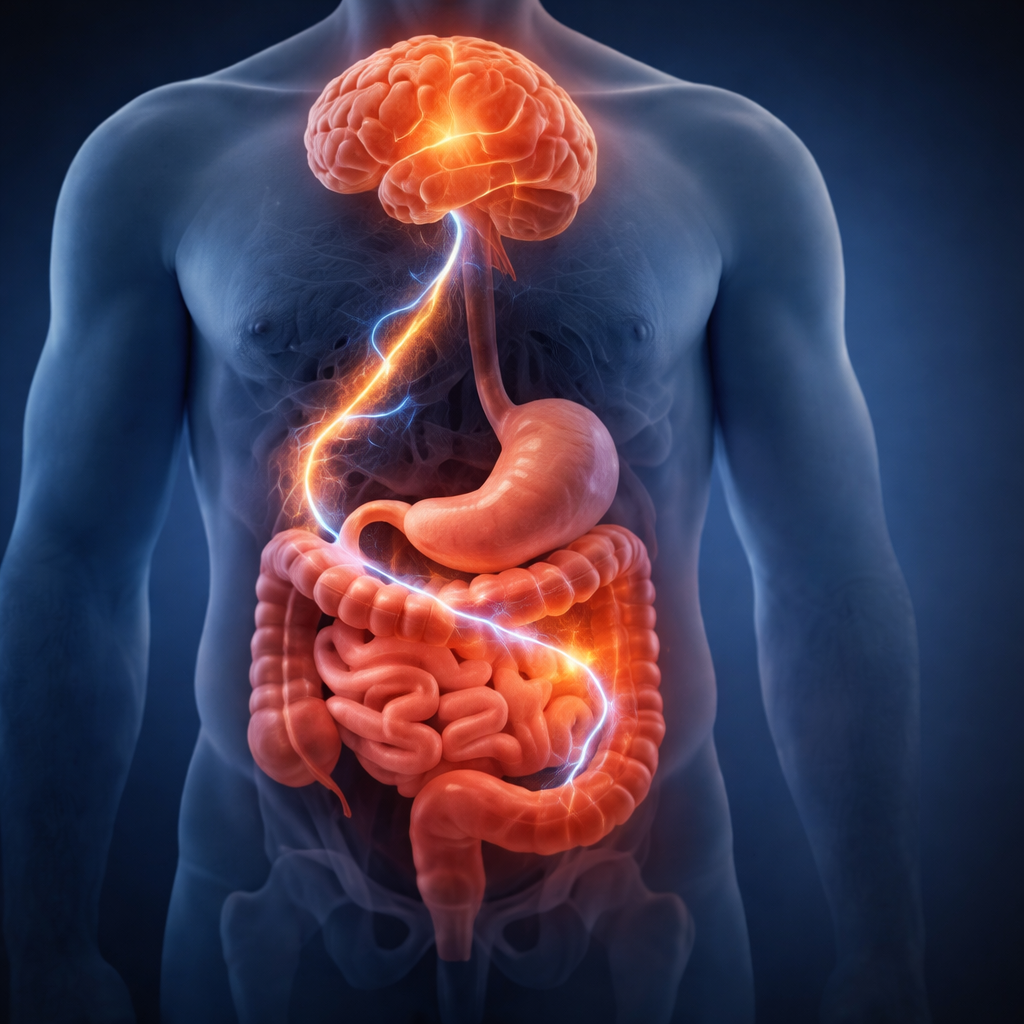
The gut and the brain are directly connected through the gut-brain axis a bidirectional communication network that means digestive health and mental health profoundly influence each other. This is not metaphorical. It is physiological.
Chronic digestive conditions have a significant and well-documented impact on emotional wellbeing. People living with IBS, IBD, GERD, and other long-term gastrointestinal conditions consistently report higher rates of anxiety, depression, social isolation, and reduced quality of life compared to the general population.
Many patients describe:
- Anxiety about eating in social situations for fear of triggering symptoms
- Embarrassment and shame around digestive symptoms that prevents them from seeking help
- Frustration from years of symptom management without a clear diagnosis
- Fear about serious underlying conditions particularly cancer when symptoms are unexplained
- Exhaustion from the relentless daily management of a chronic digestive condition
At Dr Curo, emotional support is built into every stage of gastroenterological care. Your symptoms will always be taken seriously. Your concerns will always be addressed honestly. And you will never be made to feel that your digestive health is anything less than the legitimate and important medical matter that it is.
When a Gastroenterologist Is Needed Urgently — Do Not Wait
Most gastroenterological symptoms warrant a scheduled appointment within days to weeks. But certain symptoms require same-day or emergency evaluation. Do not search gastroenterologist near me and wait for a routine slot if you are experiencing any of the following.
| Urgent Symptom | Why It Cannot Wait |
| Severe sudden abdominal pain | May indicate acute pancreatitis, perforated ulcer, or bowel obstruction |
| Vomiting blood or coffee-ground material | Active upper gastrointestinal bleeding — requires emergency evaluation |
| Large amounts of rectal bleeding | Active lower GI bleeding — requires urgent investigation |
| Jaundice with fever and abdominal pain | May indicate acute cholangitis — a potentially life-threatening bile duct infection |
| Severe abdominal distension with inability to pass stool or gas | May indicate bowel obstruction |
| Sudden severe diarrhoea with high fever and blood | May indicate severe colitis or infectious colitis requiring hospitalisation |

If you or someone you know is experiencing any of these symptoms go to an emergency department or contact Dr Curo immediately. Do not wait for a routine appointment.
Cost of Gastroenterology Consultation at Dr Curo
| Service | Approximate Cost in India |
| Initial gastroenterology consultation | ₹800 – ₹2,000 |
| Upper endoscopy — OGD scopy | ₹2,000 – ₹5,000 |
| Colonoscopy | ₹3,000 – ₹8,000 |
| Abdominal ultrasound | ₹500 – ₹1,500 |
| Liver function tests — blood panel | ₹500 – ₹1,200 |
| H. pylori breath test or stool antigen test | ₹500 – ₹1,500 |
| ERCP | ₹15,000 – ₹40,000 |
| Capsule endoscopy | ₹20,000 – ₹40,000 |
| Follow-up consultation | ₹500 – ₹1,200 |
At Dr Curo, all pricing is fully transparent. You will always know exactly what you are paying for and why — no hidden charges, no unexpected additions. Contact Dr Curo directly for a personalised consultation and cost estimate based on your specific situation.
Frequently Asked Questions
Q1. How do I know if my stomach problem needs a gastroenterologist or just a general physician? As a general rule if your symptoms have lasted more than two weeks, are recurring, are associated with blood, unexplained weight loss, or significant pain, or have not responded to standard treatment from a general physician a gastroenterologist is the appropriate next step. At Dr Curo, a brief initial consultation can quickly clarify whether specialist care is necessary.
Q2. Is a colonoscopy painful? Colonoscopy is performed under sedation at Dr Curo most patients have no memory of the procedure and experience minimal discomfort. Mild bloating or gas for a few hours after the procedure is common and resolves quickly. The preparation the day before which involves bowel cleansing is the part most patients find uncomfortable rather than the procedure itself.
Q3. At what age should I get a colonoscopy screening? For average-risk individuals with no family history, colorectal cancer screening colonoscopy is recommended from age 45 to 50. For individuals with a first-degree relative with colorectal cancer, screening should begin 10 years before the age at which that relative was diagnosed often in the late 30s or early 40s. At Dr Curo, your gastroenterologist will recommend the right screening timeline based on your personal and family history.
Q4. Can stress really cause digestive problems? Absolutely and the evidence is unambiguous. The gut-brain axis means that chronic stress directly affects gut motility, gut flora, intestinal permeability, and immune function in the digestive tract. Stress is a major driver of IBS, functional dyspepsia, and GERD and managing stress is a legitimate and important part of treating these conditions, not a dismissal of the physical symptoms.
Dr Curo Is With You Every Step
Knowing when to see a gastroenterologist and acting on that knowledge at the right time is one of the most important decisions you can make for your digestive and overall health. Symptoms that are ignored, repeatedly managed with over-the-counter remedies, or simply blamed on stress can often hide conditions that are highly treatable with the right approach, including timely acid reflux treatment India.
Searching “gastroenterologist near me” is not an overreaction in many cases, it is exactly the right step. The earlier you seek expert care, the more effective and personalised your acid reflux treatment India and other digestive care options can be.
At Dr Curo, you will always find a gastroenterologist who listens carefully, investigates thoroughly, explains clearly, and supports you at every stage of your digestive health journey.
Take the first step today. Your gastroenterology consultation at Dr Curo begins with a single conversation.






No Comment! Be the first one.