








How Many IVF Cycles Does It Take to Get Pregnant?
One of the first questions people ask when considering IVF treatment in India is how many IVF cycles are actually needed to achieve pregnancy? It’s a completely valid concern. IVF can be expensive,...

One of the first questions people ask when considering IVF treatment in India is how many IVF cycles are actually needed to achieve pregnancy?
Table Of Content
- First – What is One IVF Cycle?
- So How Many IVF Cycles Are Needed on Average?
- Why Does It Sometimes Take More Than One Cycle?
- 1. Not Every Egg Becomes a Healthy Embryo
- 2. Not Every Embryo Will Implant
- 3. Age Plays a Big Role
- 4. The Uterus Needs to Be Ready
- 5. Sperm Quality Matters Too
- How Many IVF Cycles Are Needed Based on Age?
- Fresh Cycle vs Frozen Embryo Transfer Does It Matter?
- What Can You Do to Improve Your Chances Each Cycle?
- When Should You Consider Stopping or Changing Your Approach?
- IVF Cycle Cost – What to Expect
- Emotional Side of Multiple IVF Cycles
- Frequently Asked Questions (FAQs)
- Dr Curo Is With You – Every Cycle, Every Step
It’s a completely valid concern. IVF can be expensive, physically demanding, and emotionally intense. Naturally, you want clarity on how many attempts it might take before you succeed.
At Dr Curo, we focus on providing honest, transparent guidance not unrealistic promises. This guide will help you understand how IVF cycles work, the factors that influence success rates, and what you can realistically expect from your journey.
First – What is One IVF Cycle?
One IVF cycle means going through the full IVF process one time. This includes:
- Hormone injections to stimulate the ovaries
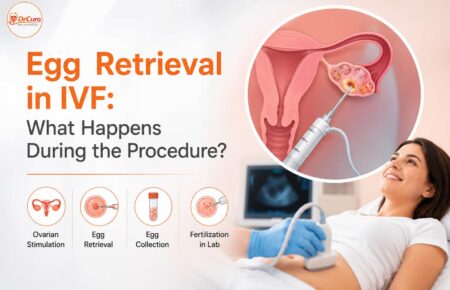
- Egg retrieval from the ovaries
- Fertilization of eggs with sperm in the lab
- Embryo development over 3–5 days
- Embryo transfer into the uterus
- Waiting 14 days and taking a pregnancy test
If the pregnancy test is positive the cycle worked. If not you may choose to try again with a new cycle or use frozen embryos from the same cycle.
So How Many IVF Cycles Are Needed on Average?
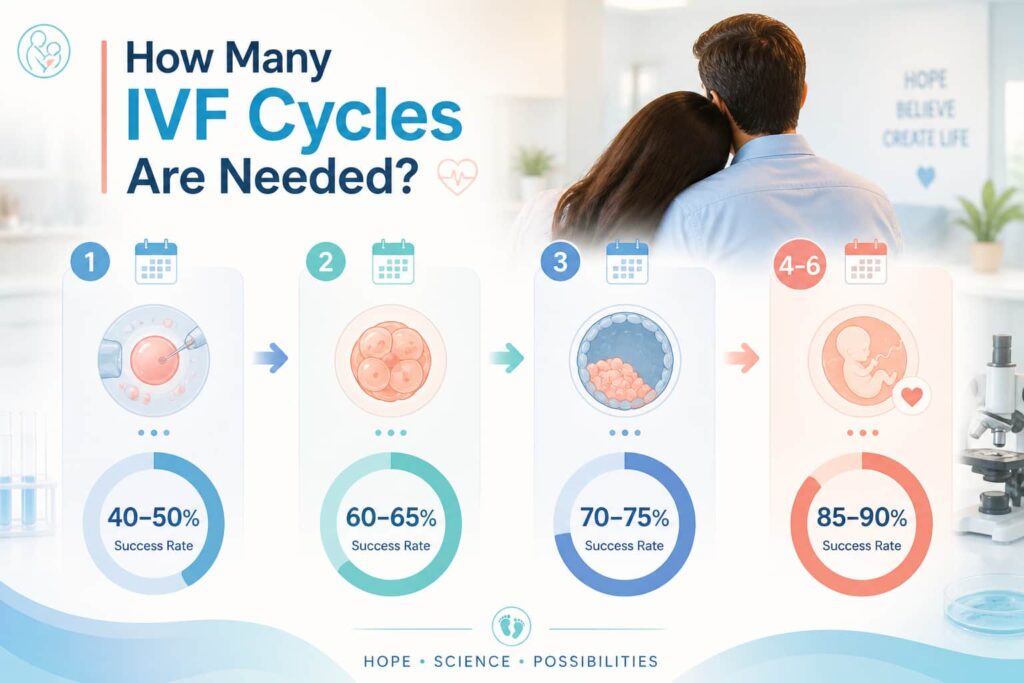
There is no single answer that fits everyone. But here is what research and real patient data tells us:
| Number of IVF Cycles | Cumulative Success Rate (Approx.) |
| After 1 cycle | 40–50% (under 35) |
| After 2 cycles | 60–65% |
| After 3 cycles | 70–75% |
| After 4–6 cycles | Up to 85–90% |
This means most patients who do get pregnant, succeed within 3 cycles.
But this depends heavily on age, health, and other personal factors. At Dr Curo, our specialists study your individual case before setting any expectations.
Why Does It Sometimes Take More Than One Cycle?
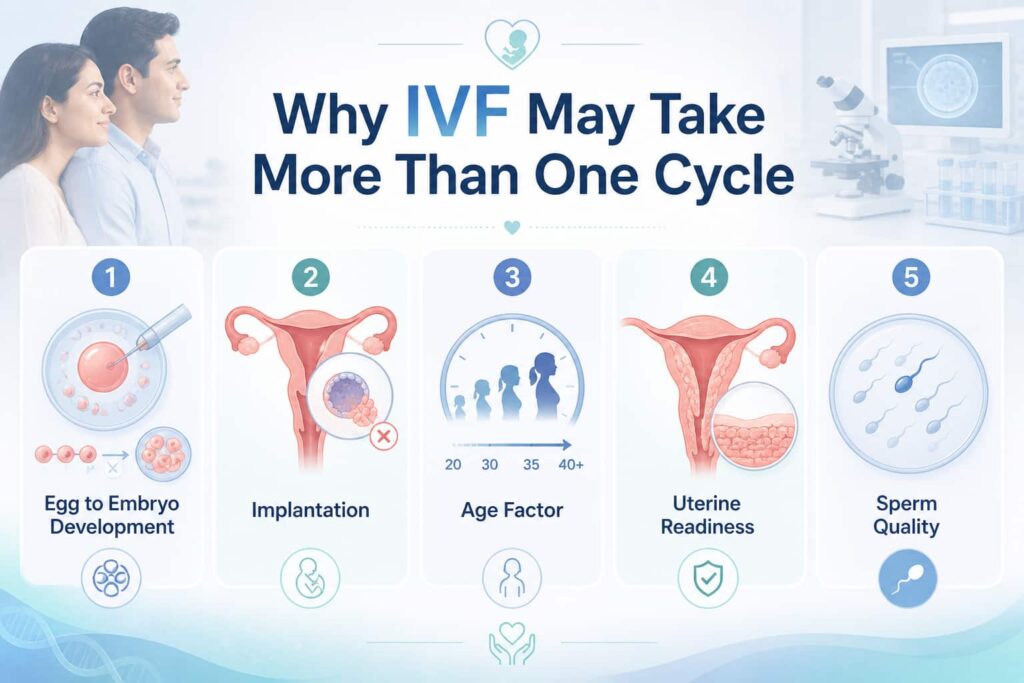
This is something many patients do not fully understand before starting IVF. Even with perfect medical care, IVF does not always work on the first try. Here is why:
1. Not Every Egg Becomes a Healthy Embryo
After egg retrieval, not all eggs will fertilize. And not all fertilized eggs will grow into good quality embryos. This is completely natural even in the human body, not every egg leads to pregnancy.
2. Not Every Embryo Will Implant
Even a good quality embryo does not always attach to the uterus wall. Implantation is a complex biological process. Sometimes it takes a few attempts before this happens successfully.
3. Age Plays a Big Role
The older a woman is, the lower the egg quality tends to be. This means more cycles may be needed. Women under 35 generally have better results per cycle than women over 40.
4. The Uterus Needs to Be Ready
The uterine lining must be at the right thickness and health for an embryo to implant. Sometimes the lining needs treatment before a transfer can succeed.
5. Sperm Quality Matters Too
Poor sperm quality can affect fertilization rates, even with ICSI. Improving sperm health between cycles can make a real difference.
How Many IVF Cycles Are Needed Based on Age?
Age is the single biggest factor in how many IVF cycles are needed. Here is a simple breakdown:
| Age Group | Success Per Cycle | Cycles Often Needed |
| Under 35 | 40-50% | 1-2 cycles |
| 35-37 | 30-40% | 2-3 cycles |
| 38-40 | 20-30% | 2-4 cycles |
| 41-42 | 10-20% | 3-5 cycles |
| Over 42 | 5-10% | Multiple cycles or donor eggs |
At Dr Curo, if your chances per cycle are lower due to age, our specialists will discuss options like donor eggs which can significantly improve success rates even for older women.
Fresh Cycle vs Frozen Embryo Transfer Does It Matter?
Yes, it does. Many patients do not realize that one egg retrieval can give you multiple chances.
Here is how it works:
- You do one egg retrieval and collect, say, 8 eggs
- 5 fertilize and become embryos
- 2 are transferred fresh this is your first cycle
- The remaining 3 are frozen
- If the first transfer does not work, you use a Frozen Embryo Transfer (FET) this is cheaper and less physically demanding than a full cycle
So when people ask how many IVF cycles are needed sometimes it means how many full stimulation cycles, and sometimes it includes frozen transfers. Your Dr Curo doctor will explain exactly what your plan looks like.
What Can You Do to Improve Your Chances Each Cycle?
While IVF success is never fully in your hands, there are real things you can do to give each cycle the best chance:
Before your cycle:
- Reach a healthy weight being overweight or underweight affects hormone response
- Stop smoking completely smoking reduces egg and sperm quality significantly
- Reduce alcohol even moderate drinking can affect embryo development
- Take folic acid and recommended supplements
- Manage underlying conditions like thyroid issues or diabetes
During your cycle:
- Follow your medication schedule exactly
- Attend all monitoring appointments
- Avoid heavy exercise
- Manage stress consider yoga, meditation, or counselling
- Sleep well and eat nutritious food
Between cycles:
- Review results with your Dr Curo doctor
- Make any recommended changes to protocol
- Allow your body time to recover
Small lifestyle changes between cycles have helped many Dr Curo patients improve their results on the next attempt.
When Should You Consider Stopping or Changing Your Approach?
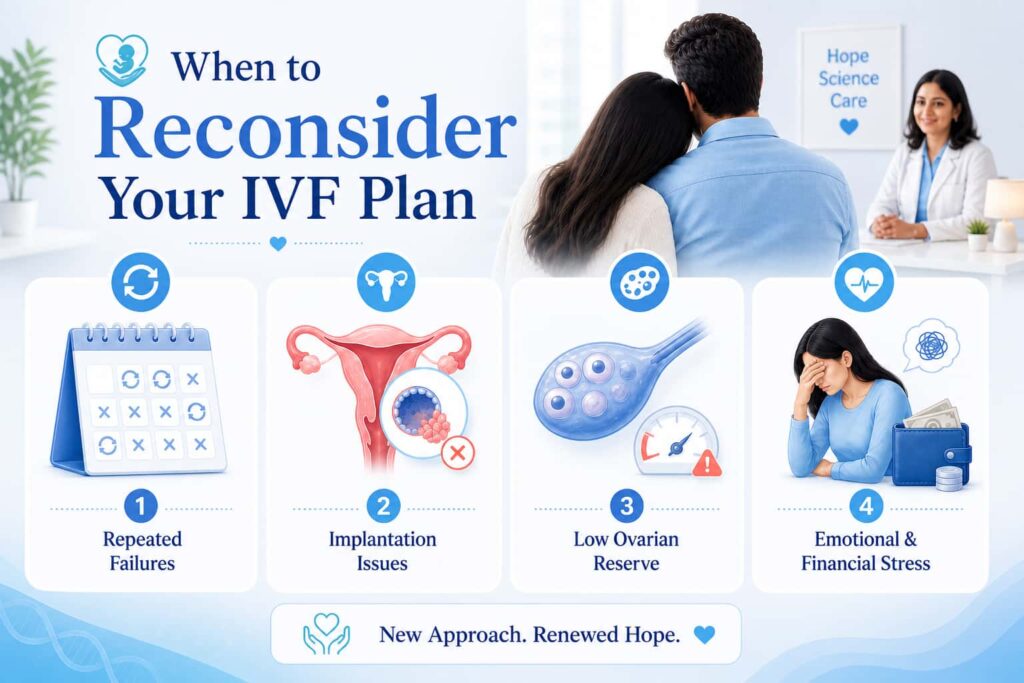
This is a deeply personal decision. But here are some signs it may be time to talk to your Dr Curo doctor about a different path:
- Three or more failed cycles with no improvement in embryo quality
- Repeated implantation failure despite good embryos
- Severely low ovarian reserve that is not responding to stimulation
- Significant emotional or financial strain
In these situations, options like donor eggs, donor embryos, or surrogacy may be discussed. These are not giving up they are simply different roads to the same destination: your baby.
IVF Cycle Cost – What to Expect
Understanding how many IVF cycles are needed also means planning financially. Here is a rough guide:
| IVF Type | Approximate Cost (India) |
| Basic IVF Cycle | ₹1,00,000 – ₹1,50,000 |
| IVF with ICSI | ₹1,50,000 – ₹2,00,000 |
| Frozen Embryo Transfer (FET) | ₹30,000 – ₹60,000 |
| Donor Egg IVF | ₹2,00,000 – ₹3,00,000 |
FET cycles cost much less than full cycles so having frozen embryos from one retrieval gives you more attempts at a lower cost.
At Dr Curo, we offer transparent pricing and will always help you plan in a way that is sustainable for your situation.
Emotional Side of Multiple IVF Cycles
Nobody talks about this enough. Going through one failed IVF cycle is hard. Going through two or three is even harder.
Many patients at Dr Curo experience:
- Grief and disappointment after a failed cycle
- Anxiety about whether to try again
- Financial pressure
- Relationship stress
- Feeling of isolation like nobody around you understands
This is completely valid. And it is exactly why Dr Curo offers dedicated emotional support and counselling alongside medical care. You should never have to process this alone.
Our team is trained to support not just your body but your mind and heart through every step of this journey.
Frequently Asked Questions (FAQs)
Q1. How many IVF cycles are needed on average to get pregnant? Most patients who succeed do so within 2–3 cycles. However, this varies greatly based on age, health, and individual factors.
Q2. Is it normal to need more than one IVF cycle? Absolutely. Even with excellent medical care, IVF does not always work on the first attempt. Needing more than one cycle is very common and does not mean something is wrong.
Q3. Does each IVF cycle increase the chances of success? Not automatically but with the right adjustments between cycles, many patients see improved results. Your Dr Curo doctor will review each cycle carefully and update your treatment plan.
Dr Curo Is With You – Every Cycle, Every Step
Knowing how many IVF treatment cycles are needed is not about a fixed number. It is about understanding your body, your situation, and building the right plan with the right team.
At Dr Curo, we do not just run IVF cycles we partner with you through the entire journey. Our experienced fertility specialists, embryologists, and counsellors work together to give you the best possible chance at every stage.
Whether this is your first cycle or your third, you deserve expert care, honest guidance, and genuine human support.
Dr Curo is here. Let us take the next step together.
Note: Success rates mentioned are approximate and based on general data. Individual results vary. Please consult a Dr Curo fertility specialist for a personalized assessment.






No Comment! Be the first one.