






Knee Pain Treatment in India: Options from Physio to Surgery — Complete Guide
Have you started avoiding stairs or daily activities because your knees no longer support you comfortably? At Dr Curo, queries related to knee pain are among the most common across all age groups....
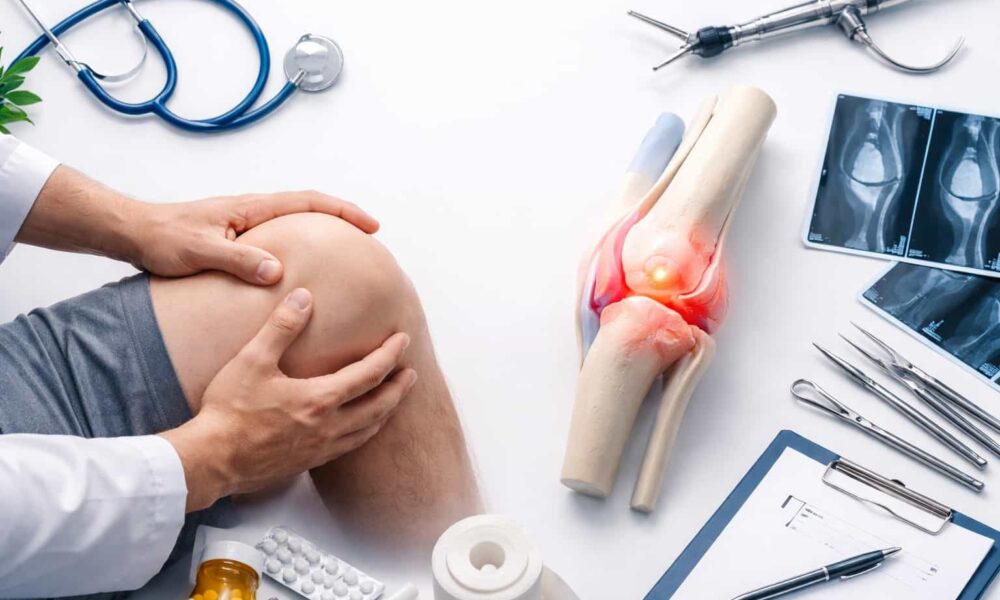
Have you started avoiding stairs or daily activities because your knees no longer support you comfortably?
Table Of Content
- What is Knee Pain?
- How Common is Knee Pain in India?
- Acute Knee Pain vs Chronic Knee Pain — Simple Comparison
- Knee Pain Treatment in India — Explained in Detail
- Treatment 1 — Physiotherapy and Exercise Rehabilitation
- Treatment 2 — Medications for Knee Pain
- Treatment 3 — Knee Injections (Corticosteroid and Hyaluronic Acid)
- Treatment 4 — Platelet-Rich Plasma (PRP) Therapy
- Treatment 5 — Bracing, Orthotics, and Assistive Devices
- Treatment 6 — Arthroscopic Surgery (Keyhole Surgery)
- Treatment 7 — Knee Replacement Surgery
- Knee Pain Treatment Success Rates in India
- Types of Knee Pain Care Plans at Dr Curo
- Cost of Knee Pain Treatment in India
- Side Effects and Risks of Knee Pain Treatments
- Emotional Impact of Living with Chronic Knee Pain
- How Long Does Knee Pain Treatment Take to Work?
- Tips to Support Your Knee Pain Treatment Naturally
- Frequently Asked Questions
- Dr Curo is With You Every Step
At Dr Curo, queries related to knee pain are among the most common across all age groups. Many individuals rely only on painkillers and delay proper diagnosis, which often leads to worsening joint damage, reduced mobility, and avoidable surgical interventions. Early evaluation and structured care can significantly improve outcomes.
This guide offers a clear overview of effective joint pain treatment India, including physiotherapy, injections, and advanced surgical options helping you understand the right treatment approach, expected results, and when to seek expert care.
What is Knee Pain?
Knee pain is discomfort, soreness, or pain arising from any of the structures that make up the knee joint including the bones, cartilage, ligaments, tendons, bursae, and surrounding muscles. The knee is the largest joint in the human body and one of the most complex bearing the full weight of the body while simultaneously providing the flexibility needed for walking, climbing, squatting, and sitting cross-legged, all of which are essential movements in daily Indian life.
The most common causes of knee pain in India include osteoarthritis the gradual wearing away of the protective cartilage that cushions the joint, ligament injuries particularly of the anterior cruciate ligament (ACL) which is commonly torn in sports and accidents, meniscal tears damage to the crescent-shaped cartilage pads inside the knee joint, patellofemoral pain syndrome pain around and behind the kneecap, commonly seen in younger active people, tendinitis inflammation of the tendons around the knee from overuse, bursitis inflammation of the fluid-filled sacs that cushion the knee, and rheumatoid arthritis an autoimmune condition causing joint inflammation that frequently affects the knees.
At Dr Curo, we treat knee pain as a condition with a specific cause that deserves a specific, targeted solution not simply a prescription for painkillers and a recommendation to rest indefinitely.
How Common is Knee Pain in India?
The burden of knee pain in India is enormous and it is growing rapidly as the population ages and lifestyle-related conditions become more prevalent:
- Osteoarthritis of the knee affects an estimated 15% of Indians over the age of 60 making it one of the most common causes of disability in older adults in the country
- India has the second highest number of knee osteoarthritis patients in the world surpassed only by China
- Indians are at higher risk of knee osteoarthritis at a younger age compared to Western populations partly due to the physical demands of squatting and floor-level activities common in Indian daily life
- Women in India are significantly more likely to develop knee osteoarthritis than men with risk rising sharply after menopause due to the loss of the protective effect of oestrogen on cartilage
- Sports-related knee injuries particularly ACL tears are rising rapidly in India alongside growing participation in cricket, football, badminton, and running
- A large proportion of patients with knee pain in India self-medicate with over-the-counter painkillers for months or years before seeking proper assessment by which time cartilage damage is often significantly advanced
- Knee replacement surgery is now one of the most commonly performed orthopaedic procedures in India, with over 150,000 procedures performed annually a number that is growing at approximately 15% per year
At Dr Curo, early assessment and structured treatment are always more effective and less expensive than waiting until knee damage is severe. The earlier knee pain is properly evaluated and treated, the more options are available and the better the long-term outcome.
Acute Knee Pain vs Chronic Knee Pain — Simple Comparison
| Feature | Acute Knee Pain | Chronic Knee Pain |
| Duration | Sudden onset hours to days | Persistent lasting weeks, months, or years |
| Common causes | Injury, ligament tear, meniscal tear, fracture | Osteoarthritis, rheumatoid arthritis, tendinitis, bursitis |
| Onset | Usually follows a specific incident or injury | Gradual often with no clear triggering event |
| Swelling | Often present and significant | May be present but typically mild to moderate |
| Pain character | Sharp, severe, often well localised | Aching, deep, often diffuse may be worse with activity or weather |
| Investigation needed | X-ray and MRI to assess structural damage | X-ray, MRI, blood tests to identify cause and severity |
| Treatment approach | RICE (rest, ice, compression, elevation), physiotherapy, possible surgery | Physiotherapy, medications, injections, PRP, possible surgery |
| Reversible? | Usually with appropriate early treatment | Often with structured treatment and lifestyle changes |
| Most common in India | Yes particularly sports injuries and falls | Yes particularly osteoarthritis in older adults |
| Treatment at Dr Curo | Injury assessment, rehabilitation, surgical referral if needed | Personalised multimodal care plan from physio to surgery |
Most patients who come to Dr Curo for knee pain treatment India have been living with chronic knee pain for a significant period often having progressed through self-medication, generic physiotherapy, and repeated painkiller prescriptions without ever receiving a structured, diagnosis-specific treatment plan.
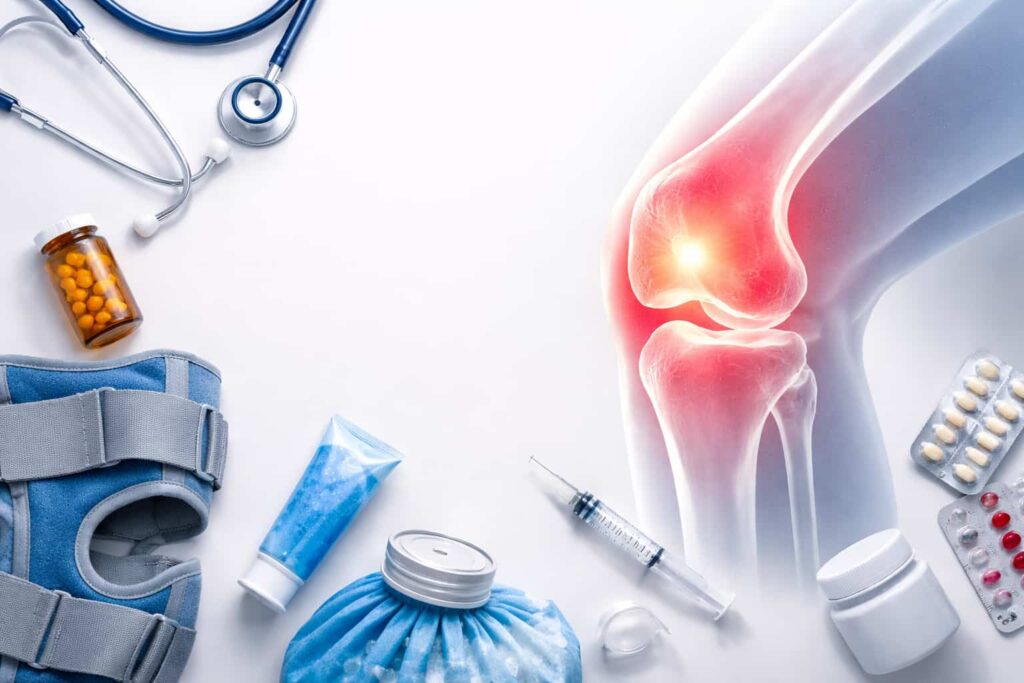
Knee Pain Treatment in India — Explained in Detail
Treatment 1 — Physiotherapy and Exercise Rehabilitation
Before any medication, injection, or surgical procedure is considered, physiotherapy and structured exercise rehabilitation is the most important and evidence-based foundation of knee pain treatment India has available. This is not just a suggestion or a preliminary step it is the cornerstone of effective knee care for the vast majority of patients and the treatment that produces the most durable long-term results when done properly.
For many patients with mild to moderate knee osteoarthritis, ligament injuries, or patellofemoral pain, a properly structured physiotherapy program produces greater pain relief and functional improvement than injections or surgery and without any of the associated risks.
What physiotherapy for knee pain involves at Dr Curo:
Strengthening exercises the muscles around the knee, particularly the quadriceps at the front of the thigh, the hamstrings at the back, and the hip abductors on the outer hip, act as natural shock absorbers for the knee joint. When these muscles are weak as they almost always are in patients with chronic knee pain the joint bears forces it was never designed to handle alone. Targeted strengthening reduces this load dramatically.
Range of motion exercises – stiffness in the knee reduces function and increases pain. Structured mobility work restores the joint’s natural movement range, reduces stiffness, and improves daily function.
Neuromuscular training – retraining the brain and muscles to control the knee properly through balance and proprioception exercises reduces the risk of re-injury and improves joint stability significantly.
Manual therapy – hands-on techniques applied by the physiotherapist to mobilise the joint, reduce muscle tightness, and restore normal movement patterns.
Hydrotherapy – for patients with severe pain or significant joint damage, exercise in water reduces the load on the knee while maintaining the therapeutic benefits of movement an excellent option for older patients or those awaiting surgery.
Physical activity targets for knee pain patients: Low-impact exercise such as swimming, cycling, and walking on flat surfaces is strongly preferred over high-impact activities like running and jumping. A minimum of 150 minutes of moderate-intensity low-impact activity per week is the target for most patients with knee osteoarthritis. Even small amounts of regular movement a 10-minute walk three times a day produce measurable improvements in knee pain and function compared to prolonged rest.
At Dr Curo, every patient receives a personalised physiotherapy and exercise plan designed around their specific diagnosis, current fitness level, daily routine, and home environment not a generic printed exercise sheet.
Treatment 2 — Medications for Knee Pain
When physiotherapy alone does not provide sufficient pain control particularly in moderate to severe osteoarthritis or inflammatory conditions medications play an important role in knee pain treatment India.
Paracetamol (Acetaminophen): The first-line oral analgesic for mild to moderate knee pain. Well tolerated, with minimal side effects when used at recommended doses. Most appropriate for constant background pain rather than acute flares.
NSAIDs (Non-Steroidal Anti-Inflammatory Drugs): Medications such as Ibuprofen, Diclofenac, Naproxen, and Etoricoxib reduce both pain and inflammation making them particularly effective for inflammatory knee conditions and acute flares of osteoarthritis. Available in oral and topical (gel) forms. Topical NSAIDs applied directly over the knee provide good local pain relief with significantly fewer systemic side effects than oral versions particularly important for older patients or those with stomach, kidney, or cardiovascular concerns.
COX-2 inhibitors (Celecoxib, Etoricoxib): A newer class of NSAID that provides effective anti-inflammatory pain relief with a lower risk of stomach ulceration compared to traditional NSAIDs. Particularly useful for patients who need regular anti-inflammatory medication but have a history of gastric problems.
DMARDs (Disease-Modifying Anti-Rheumatic Drugs): For patients whose knee pain is caused by rheumatoid arthritis rather than osteoarthritis, DMARDs such as Methotrexate, Hydroxychloroquine, and Sulfasalazine are the cornerstone of treatment targeting the underlying autoimmune process rather than just managing symptoms. At Dr Curo, patients with inflammatory arthritis receive specialist rheumatology input as part of their care plan.
Duloxetine: In patients with chronic knee pain where central sensitisation a process in which the nervous system amplifies pain signals is a significant component, Duloxetine has demonstrated meaningful pain reduction and is increasingly used as part of a multimodal pain management approach.
At Dr Curo, medication selection is based on your specific diagnosis, age, kidney function, stomach health, cardiovascular risk, and other medications not simply the most commonly dispensed painkiller at the nearest pharmacy.
Treatment 3 — Knee Injections (Corticosteroid and Hyaluronic Acid)
For patients who have not achieved adequate pain control with physiotherapy and oral medications, or who need rapid pain relief to engage effectively in rehabilitation, knee injections offer a targeted and effective option in knee pain treatment India.
Corticosteroid injections: Corticosteroid (steroid) injections deliver a powerful anti-inflammatory medication directly into the knee joint, producing rapid and often dramatic pain relief — typically within 24–72 hours of the injection. They are most effective for acute flares of osteoarthritis, inflammatory arthritis, and bursitis. The pain relief typically lasts between 6 weeks and 3 months. They can be repeated, but most guidelines recommend limiting injections to 3–4 per year in the same joint to avoid potential cartilage damage from repeated steroid exposure.
Hyaluronic acid (viscosupplementation) injections: Hyaluronic acid is a naturally occurring substance in joint fluid that acts as a lubricant and shock absorber. In osteoarthritis, the concentration and quality of hyaluronic acid in the joint deteriorates. Viscosupplementation injections restore lubrication to the joint, reducing friction and pain. The effect builds over 4–6 weeks and can last 6 months or longer in appropriate patients making it a useful option for patients seeking longer-duration relief from a non-steroid injection.
At Dr Curo, knee injections are always performed with precision guidance where appropriate to ensure accurate placement. The choice between corticosteroid and hyaluronic acid injection is made based on your specific diagnosis, symptom pattern, and treatment history.
Treatment 4 — Platelet-Rich Plasma (PRP) Therapy
One of the most significant advances in knee pain treatment India has seen in the last decade is the widespread availability of Platelet-Rich Plasma therapy a regenerative treatment that uses the patient’s own blood to promote healing within the knee joint.
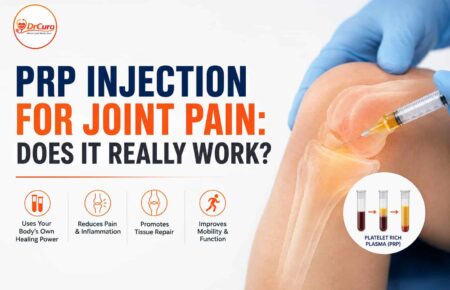
How PRP works: A small amount of the patient’s blood is drawn and placed in a centrifuge that separates and concentrates the platelets the blood components richest in growth factors that stimulate tissue repair. This concentrated platelet solution is then injected directly into the knee joint, where the growth factors promote the repair of damaged cartilage, tendon, and ligament tissue and reduce joint inflammation.
What PRP is most effective for: Early to moderate knee osteoarthritis where there is still cartilage present to support and protect, ligament and tendon injuries particularly partial tears where surgery is not yet required, and young active patients where preserving the joint and avoiding surgery is a priority.
What patients can expect: PRP does not produce immediate pain relief like a steroid injection. The regenerative process takes time most patients notice progressive improvement over 4–8 weeks, with peak benefit at 3–6 months. A course of 2–3 injections spaced 4–6 weeks apart is typically recommended.
Advantages of PRP over steroid injections: No risk of cartilage damage from repeated injections, longer-lasting effects in appropriate patients, genuine tissue repair rather than purely symptomatic relief, and no systemic medication side effects since it uses the patient’s own biological material.
At Dr Curo, PRP therapy is recommended for the right patients based on their diagnosis, age, activity level, and degree of joint damage not offered indiscriminately as a premium upsell.
Treatment 5 — Bracing, Orthotics, and Assistive Devices
An often underappreciated component of knee pain treatment India is the role of well-designed mechanical support braces, orthotics, and assistive devices in offloading the damaged areas of the knee, reducing pain, and improving function.
Knee braces: Unloader braces are specifically designed for patients with medial or lateral compartment osteoarthritis conditions where one side of the knee is more damaged than the other. The brace gently shifts the load away from the damaged compartment, producing significant pain relief during walking and activity without any systemic medication. Patellar braces and sleeves support the kneecap and surrounding structures in patients with patellofemoral pain syndrome. Hinged knee braces provide stability after ligament injury or surgery.
Foot orthotics: Custom insoles placed inside footwear can correct abnormal foot mechanics that place excessive load on specific parts of the knee. Wedged insoles slightly elevated on the inner or outer edge are a proven, low-cost intervention for medial compartment knee osteoarthritis that reduces pain during walking.
Walking aids: A walking stick used in the hand opposite to the painful knee reduces the load on the joint by up to 25% during walking a simple, inexpensive, and highly effective intervention for patients with moderate to severe knee osteoarthritis who are managing pain during daily activity.
At Dr Curo, bracing and orthotics are assessed and prescribed as part of a complete treatment plan not as a standalone afterthought.
Treatment 6 — Arthroscopic Surgery (Keyhole Surgery)
For patients with specific knee conditions that have not responded to non-surgical treatment particularly ligament tears, meniscal tears, and loose bodies within the joint arthroscopic surgery offers a minimally invasive surgical solution with excellent outcomes and rapid recovery.
What arthroscopy involves: Arthroscopy is performed under general or spinal anaesthesia. Two or three small incisions are made around the knee each less than 1 cm in length. A tiny camera (arthroscope) is inserted through one incision, providing a live view of the inside of the joint on a monitor. Surgical instruments are inserted through the other incisions to perform the required procedure all without opening the joint.
Conditions treated arthroscopically at Dr Curo: ACL reconstruction the torn ligament is replaced with a tendon graft, restoring knee stability. This is the standard treatment for ACL tears in active patients. Meniscal repair or partial meniscectomy damaged meniscus tissue is either repaired or trimmed, depending on the location and pattern of the tear. Removal of loose bodies fragments of bone or cartilage that have broken free within the joint and cause pain and locking. Cartilage procedures microfracture and other cartilage repair techniques to stimulate regrowth of damaged cartilage in younger patients.
Recovery from arthroscopy: Most patients are discharged the same day or after one night. Walking with support begins within days. Return to light activities occurs within 2–4 weeks. Return to sport or heavy physical activity takes 3–9 months depending on the procedure, with structured physiotherapy rehabilitation essential throughout.
At Dr Curo, arthroscopic surgery is recommended only when there is a clear surgical diagnosis that will benefit from the procedure. We do not recommend arthroscopy for osteoarthritis alone the evidence clearly shows it offers no benefit over physiotherapy for that indication.
Treatment 7 — Knee Replacement Surgery
For patients with severe knee osteoarthritis or other end-stage joint disease where all non-surgical and minimally invasive options have been exhausted or are clearly insufficient, knee replacement surgery is a highly effective, life-changing procedure and the definitive solution for the right patients.
What knee replacement involves: The damaged surfaces of the knee joint the ends of the femur (thigh bone), tibia (shin bone), and the underside of the patella (kneecap) are removed and replaced with precisely shaped metal and plastic implant components that recreate the smooth, pain-free joint surface the patient no longer has.
Total vs partial knee replacement: Total knee replacement replaces the entire joint surface and is appropriate when all three compartments of the knee are significantly damaged. Partial (unicompartmental) knee replacement replaces only the damaged compartment typically the medial (inner) compartment preserving the patient’s own bone and ligaments in the unaffected areas. Partial replacement offers faster recovery and a more natural feeling knee for carefully selected patients.
What patients can realistically expect: Over 90% of patients experience significant or complete relief of knee pain following total knee replacement. The procedure reliably restores mobility, independence, and quality of life in patients who were severely limited before surgery. Modern implants last 15–20 years or longer in the majority of patients. Most patients are walking with support within 1–2 days of surgery and return to independent daily activities within 6–12 weeks.
Common concerns patients raise at Dr Curo about knee replacement: Many patients fear that knee replacement means a long and painful recovery, that they will never be able to squat or sit on the floor again, or that the artificial joint will feel mechanical and unnatural. At Dr Curo, we address each of these concerns honestly including the realistic expectations for floor-level activities in the Indian context so that every patient makes their decision with complete and accurate information.
At Dr Curo, knee replacement is never recommended prematurely. It is the right treatment for the right patient at the right time and for patients who have reached that point, it is genuinely transformative.
Knee Pain Treatment Success Rates in India
| Treatment Approach | Expected Pain Relief | Long-Term Joint Preservation Possible? |
| Physiotherapy alone (mild to moderate cases) | 40–70% pain reduction | Yes — with sustained exercise adherence |
| Oral medications (NSAIDs, paracetamol) | 30–50% symptom relief | No — management only |
| Corticosteroid injections | 60–80% short-term relief | No — symptomatic treatment |
| Hyaluronic acid injections | 50–70% relief over 6 months | Partial — slows progression in early disease |
| PRP therapy | 60–80% improvement at 6 months | Yes — in early to moderate osteoarthritis |
| Arthroscopic surgery | 80–90% for appropriate indications | Yes — particularly for ligament and meniscal repair |
| Knee replacement surgery | 90–95% significant pain relief | N/A — joint replaced |
Key points to understand about these numbers:
- Pain scores, functional ability, and quality of life measures are the primary outcomes in knee pain treatment tracked at Dr Curo using validated assessment tools before and after treatment
- Combination approaches consistently outperform single treatments physiotherapy combined with injections, for example, produces better outcomes than either alone
- The best outcomes at Dr Curo come from matching the right treatment to the right diagnosis at the right stage of disease not applying a one-size-fits-all protocol
- Age, body weight, activity level, and degree of joint damage all significantly influence which treatments are appropriate and how much improvement is achievable
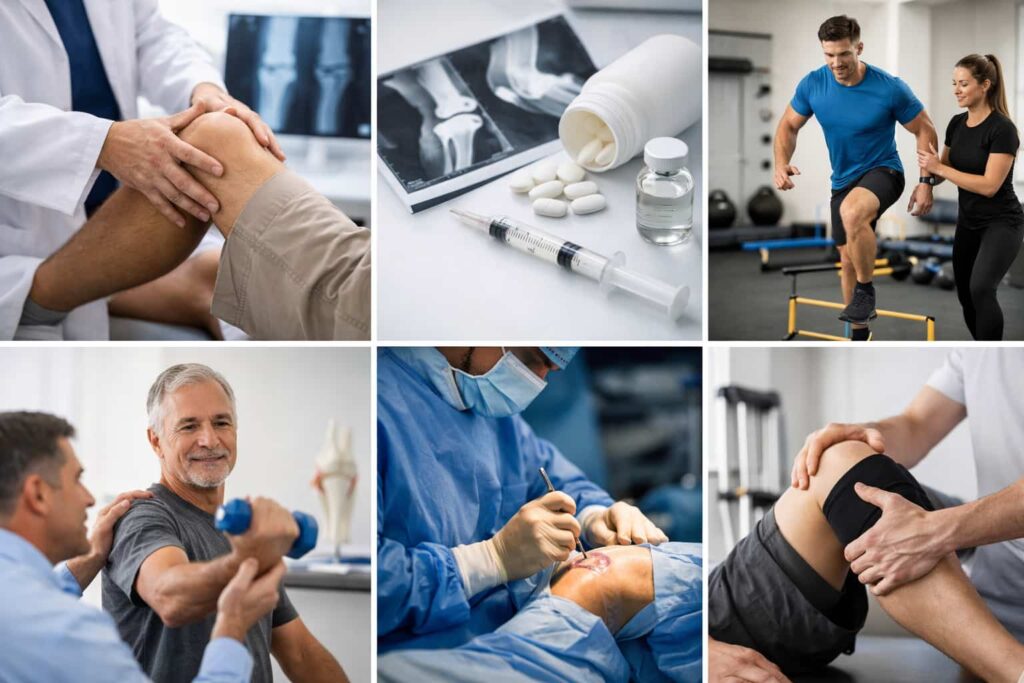
Types of Knee Pain Care Plans at Dr Curo
There is no single approach to knee pain treatment India that works for everyone. At Dr Curo, every patient receives a care plan built specifically around their situation:
Newly diagnosed knee pain assessment plan – for patients presenting with knee pain for the first time. Comprehensive clinical assessment, imaging, diagnosis clarification, and a structured first-line treatment plan with realistic goals and timelines.
Conservative management plan – for patients with mild to moderate knee osteoarthritis or soft tissue conditions who wish to avoid or delay surgery. Combines physiotherapy, appropriate medication, injections where indicated, and weight management support.
Sports injury rehabilitation plan – for active patients with ligament, meniscal, or tendon injuries. Diagnosis-specific rehabilitation with a clear return-to-sport timeline and structured progression milestones.
Pre-surgical optimisation plan – for patients who have been assessed as surgical candidates and are preparing for arthroscopy or knee replacement. Includes prehabilitation physiotherapy to strengthen the muscles before surgery which significantly improves post-operative outcomes.
Post-surgical rehabilitation plan – for patients recovering from arthroscopy or knee replacement. Structured, progressive rehabilitation program to restore strength, mobility, and function as safely and quickly as possible.
Cost of Knee Pain Treatment in India
| Type of Treatment | Approximate Cost (India) |
| Initial consultation and assessment | ₹800 – ₹2,500 |
| X-ray of knee | ₹300 – ₹800 |
| MRI of knee | ₹3,500 – ₹8,000 |
| Physiotherapy sessions (per session) | ₹500 – ₹1,500 |
| Physiotherapy program (full course) | ₹8,000 – ₹25,000 |
| Oral medications (monthly) | ₹300 – ₹1,500 |
| Corticosteroid injection | ₹1,500 – ₹4,000 |
| Hyaluronic acid injection (per injection) | ₹5,000 – ₹15,000 |
| PRP therapy (per session) | ₹8,000 – ₹20,000 |
| Knee brace (unloader or hinged) | ₹3,000 – ₹15,000 |
| Arthroscopic surgery | ₹60,000 – ₹1,50,000 |
| Partial knee replacement | ₹1,50,000 – ₹3,00,000 |
| Total knee replacement | ₹2,00,000 – ₹5,00,000 |
Treating knee pain early and appropriately is dramatically less expensive than managing the consequences of delayed treatment including progressive joint destruction, complete loss of mobility, dependency on carers, and the psychological and economic cost of being unable to work or live independently.
At Dr Curo, pricing is always transparent. You will never receive a bill that surprises you.
Contact Dr Curo directly for a personalised treatment cost estimate based on your specific diagnosis, imaging findings, and treatment requirements.
Side Effects and Risks of Knee Pain Treatments
Every treatment carries a profile of possible side effects and risks, and understanding them helps you make informed decisions about your care.
Common and manageable:
- Paracetamol — very well tolerated at recommended doses. Liver damage is a risk only with significant overdose. Safe for most patients including the elderly.
- NSAIDs (oral) — stomach irritation, ulceration, and bleeding with prolonged use. Kidney function impairment with long-term use in susceptible patients. Cardiovascular risk with high doses over extended periods. Taking with food and using the lowest effective dose minimises risk.
- Topical NSAIDs — minimal systemic absorption means stomach, kidney, and cardiovascular risks are very low. Local skin irritation at the application site in some patients.
- Corticosteroid injections — temporary increase in blood sugar (important for diabetic patients to monitor), a small risk of infection at the injection site, and cartilage damage with excessively frequent injections.
- Hyaluronic acid injections — mild local soreness and swelling for 24–48 hours after injection. Rarely, an inflammatory flare reaction.
- PRP injections — mild soreness and swelling for 2–5 days as the growth factors stimulate the healing process. No systemic risks since it uses the patient’s own blood.
Less common but important:
- Arthroscopic surgery — as with all surgery, carries risks of anaesthesia reaction, infection, deep vein thrombosis (DVT), nerve or blood vessel injury, and the small possibility that symptoms do not improve as expected
- Knee replacement surgery — infection of the prosthesis (rare but serious), DVT and pulmonary embolism, implant loosening over time, stiffness if post-operative rehabilitation is not adhered to, and the small possibility of needing revision surgery in the longer term
At Dr Curo, every patient receives a full, honest discussion of the risks and benefits of their specific treatment before any procedure is undertaken. Monitoring is built into every care plan to identify and address any complications promptly.
Emotional Impact of Living with Chronic Knee Pain
Living with chronic knee pain is not just a physical challenge the emotional and psychological burden is profound, pervasive, and at Dr Curo we treat it with the same seriousness as the clinical side of care.
Knee pain affects virtually every aspect of daily life in ways that people who have not experienced it find difficult to fully appreciate. In the Indian context specifically, the inability to sit on the floor for meals, prayers, or family gatherings carries a particular social and cultural weight. The inability to climb stairs independently, manage household tasks, or participate in festivals and celebrations creates a sense of social exclusion that compounds the physical suffering.
What many people managing chronic knee pain in India experience includes the frustration of watching a previously active life gradually contract around the limitations of painful joints, the loss of independence as simple daily tasks become difficult or impossible, the emotional pain of being unable to play with grandchildren, participate in religious observances, or travel freely, the anxiety and helplessness of not knowing whether the pain will continue to worsen or whether anything can really be done, and the burden of persistent pain that disrupts sleep, affects mood, and slowly erodes the quality of every day.
Dr Curo addresses this with structured support including honest, realistic conversations about what treatment can achieve and on what timeline, goal-setting focused on what matters most to each patient whether that is walking to the temple, playing with grandchildren, or returning to sport, a non-judgmental environment where patients feel heard and taken seriously rather than told simply to rest and take painkillers, and psychological support where the emotional impact of chronic pain is affecting mental health and daily functioning. You are not defined by your knee pain here you are a person with a condition that we are going to help you treat, manage, and overcome as far as it is possible to do so.
How Long Does Knee Pain Treatment Take to Work?
This depends significantly on the specific cause of your knee pain, its severity, and the treatment approach chosen.
Physiotherapy begins producing measurable improvements in pain and function within 4–6 weeks of consistent, correctly performed exercise though the full benefit of a structured rehabilitation program is typically seen at 3–6 months. Oral medications provide pain relief within hours to days of starting treatment, though their effect on the underlying condition depends on the specific medication and diagnosis. Corticosteroid injections produce significant pain relief within 24–72 hours, with peak effect over the following 1–2 weeks and duration typically of 6–12 weeks. Hyaluronic acid injections build their effect more gradually over 4–6 weeks, with maximum benefit lasting up to 6 months in appropriate patients. PRP therapy produces its regenerative effects over 4–8 weeks, with peak benefit at 3–6 months. Arthroscopic surgery allows return to light activity within 2–4 weeks and return to full function at 3–9 months depending on the procedure. Knee replacement surgery produces dramatic pain relief within weeks of recovery, with most patients achieving functional independence within 6–12 weeks and maximum strength and function at 6–12 months with appropriate rehabilitation.
At Dr Curo, every patient’s pain, function, and treatment response are reviewed at regular intervals so that the plan can be adjusted based on real progress not continued unchanged if it is not producing the expected improvement.
Tips to Support Your Knee Pain Treatment Naturally
Alongside your medical treatment at Dr Curo, these daily habits make a genuine and measurable difference to your knee pain and long-term joint health:
Manage your weight actively every kilogram of body weight adds approximately 4 kilograms of force to the knee joint during walking. Losing even 5 kg produces a 20 kg reduction in the force each step places on the joint making weight management one of the single most powerful interventions available for knee osteoarthritis
Keep moving but move wisely rest worsens knee osteoarthritis over time. The muscles around the knee weaken, the joint stiffens, and pain increases. Gentle, consistent low-impact activity walking, swimming, cycling maintains muscle strength and joint lubrication without excessive mechanical loading
Never skip your exercises the physiotherapy exercises prescribed by your Dr Curo team are not optional add-ons. They are the treatment. Patients who adhere consistently to their home exercise program achieve significantly better outcomes than those who rely on clinic sessions alone
Choose your footwear carefully — supportive, cushioned footwear with good arch support significantly reduces the impact forces transmitted to the knee. Avoid flat, unsupportive footwear and prolonged time on hard floors without cushioning
Apply heat or cold strategically — cold packs applied for 15–20 minutes after activity reduce post-exercise inflammation and pain. Heat applied before activity loosens stiff joints and reduces discomfort during movement
Modify floor-level activities — prolonged squatting, kneeling, and sitting cross-legged on the floor place significant compressive forces on damaged knee cartilage. Where possible, using chairs and raised seating reduces the load on the knee during daily activities
Sleep well — poor sleep amplifies pain perception and slows tissue healing. Addressing sleep quality as part of your overall health is a genuine contribution to knee pain management
Attend every follow-up appointment — knee conditions evolve over time. Regular review allows treatment to be adjusted based on how your knee is actually responding catching deterioration early and modifying the plan before it becomes a bigger problem
Frequently Asked Questions
Q1. Can knee pain be cured without surgery in India? For many patients, yes particularly those with mild to moderate osteoarthritis, soft tissue conditions, or sports injuries that do not involve complete ligament tears. At Dr Curo, the majority of patients who come to us with knee pain achieve significant and sustained improvement through structured non-surgical treatment combining physiotherapy, appropriate medication, injections, and lifestyle changes. Surgery is reserved for patients who have not responded to comprehensive non-surgical care or who have a specific structural problem that clearly requires surgical correction.
Q2. What is the best exercise for knee pain in India? Swimming and water-based exercise are among the most beneficial for knee pain the buoyancy of water eliminates most of the gravitational load on the joint while allowing full-range movement and muscle strengthening. Cycling on a stationary or road bicycle is excellent for quadriceps strengthening without impact. Walking on flat surfaces at a comfortable pace maintains joint health and muscle function. The specific exercises most appropriate for your knee depend on your diagnosis at Dr Curo, we prescribe a personalised exercise program rather than generic guidance.
Q3. Is knee replacement surgery safe for elderly Indian patients? Knee replacement is performed safely and routinely in patients in their 70s and 80s in India every day. Modern anaesthetic techniques, minimally invasive surgical approaches, and enhanced recovery protocols have made the procedure significantly safer and better tolerated than it was even a decade ago. At Dr Curo, pre-operative assessment identifies and addresses any health factors that could increase surgical risk and the decision to proceed with surgery is always made with a full understanding of each patient’s individual health status and goals.
Q4. How long does a knee replacement last in India? Modern knee replacement implants last 15–20 years or longer in the majority of patients. Implant longevity is influenced by the patient’s body weight, activity level, and adherence to post-operative guidelines. Patients who maintain a healthy weight, avoid high-impact activities, and attend regular follow-up appointments consistently achieve the longest implant lifespans. At Dr Curo, post-operative monitoring is built into the long-term care plan for every knee replacement patient.
Q5. What happens if knee pain is left untreated in India? Untreated knee pain particularly from progressive osteoarthritis does not stabilise. It typically worsens over time as cartilage continues to degrade, bone-on-bone contact develops, deformity progresses, and surrounding muscles weaken from disuse. The consequences include complete loss of independent mobility, the need for walking aids or wheelchair dependence, inability to perform basic daily activities, severely disrupted sleep from pain, depression and social isolation, and ultimately the need for knee replacement surgery that could have been delayed or in some cases avoided with earlier intervention. At Dr Curo, we strongly encourage anyone with persistent knee pain to seek a proper assessment before the condition advances unnecessarily.
Dr Curo is With You Every Step
Understanding the full range of knee pain treatment India has available from structured physiotherapy through to knee replacement surgery is the first step toward making an informed decision about your care and taking back control of your mobility and quality of life.
Knee pain is not something you simply have to accept as an inevitable part of ageing or an active life. It is a condition with specific causes, specific treatments, and for the vast majority of patients a specific pathway to meaningful improvement. Whether your knees are mildly aching after a long day or severely limiting your independence every hour of every day, there is a treatment approach that is right for you.
At Dr Curo, we do not just prescribe painkillers and send you home. We build a complete, personalised knee care plan covering your diagnosis, your treatment pathway, your rehabilitation, your monitoring, your emotional wellbeing, and your long-term goals. Every patient who comes to us deserves that level of attention, and every patient gets it.




No Comment! Be the first one.