







Hydration Tips During Monsoon: Why Water Still Matters
Monsoon brings cool winds, green fields, and a much-needed break from the summer heat. Most people feel happy and relaxed during this season. But there is one thing that quietly gets ignored every...
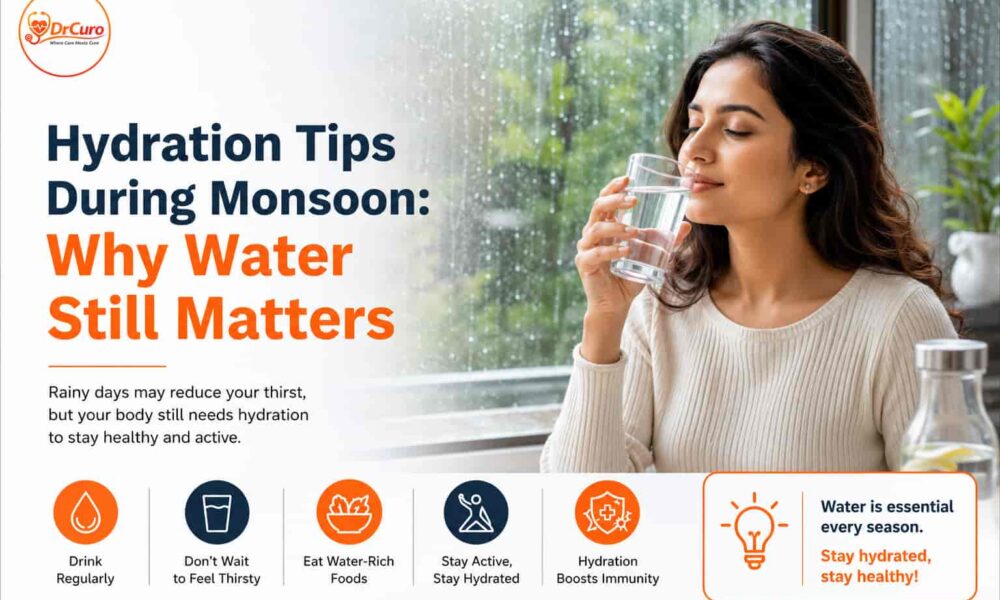
Monsoon brings cool winds, green fields, and a much-needed break from the summer heat. Most people feel happy and relaxed during this season. But there is one thing that quietly gets ignored every year — drinking enough water. Because the weather feels cool and people do not sweat as much, they naturally start feeling less thirsty. This makes many people drink far less water than their body actually needs. The truth is, your body does not stop needing water just because the weather has changed. It still needs water every single hour to work properly. This is why hydration tips during monsoon are just as important as they are in peak summer, even though it does not feel that way.
Table Of Content
- Why Hydration Still Matters When It Is Raining
- Why People Naturally Drink Less Water in Monsoon
- How Water Keeps Your Body Working Properly
- Signs Your Body May Be Dehydrated
- Early Signs vs Severe Signs of Dehydration
- Simple Hydration Tips During Monsoon You Can Actually Follow
- Foods That Help You Stay Hydrated
- Best Drinks vs Drinks You Should Limit
- Hydration Needs by Age Group
- Common Mistakes People Make During Monsoon
- Common Myths About Hydration in Monsoon
- How Much Water Should You Drink During Monsoon?
- Frequently Asked Questions
- Conclusion
Why Hydration Still Matters When It Is Raining
A lot of people believe that dehydration only happens in hot weather because of heavy sweating. This is only half true. Yes, you sweat less during monsoon. But your body still loses water through breathing, urination, digestion, and simple daily movement. That water loss does not stop just because it is raining outside.
Humidity is another hidden problem during monsoon. The air feels heavy and sticky, and sweat does not evaporate from the skin as easily as it does in dry summer heat. This can make you feel tired and sluggish even when you have not done much physical activity. Many people mistake this tiredness for weather-related laziness, when it is actually mild dehydration.
Monsoon season also brings a higher risk of infections, stomach problems, and viral illnesses because of contaminated food and water. Drinking enough clean water supports your immune system, helps your digestion stay smooth, and lowers the chances of constipation and urinary infections.
The biggest mistake people make is waiting to feel thirsty before drinking water. By the time you feel thirsty, your body has already started losing fluids. That is why building a habit of drinking water regularly, instead of relying on thirst, is one of the smartest hydration tips during monsoon you can follow.
Why People Naturally Drink Less Water in Monsoon
It is not laziness there are real reasons behind this habit, and knowing them can help you fix it.
- Cooler weather: Since you are not sweating heavily or feeling a dry mouth often, your brain does not send strong thirst signals.
- More tea and coffee: Rainy weather makes people crave hot drinks. Many end up replacing plain water with tea or coffee completely.
- Staying indoors: Less outdoor movement means less thirst, but your body still loses water through normal daily functions.
- Busy schedules: Office workers, students, and people working from home often forget to refill their water bottle for hours.
- Avoiding washroom trips: Some people intentionally drink less water to avoid frequent bathroom visits during travel or work hours.
Once you recognise these patterns in your own routine, it becomes much easier to correct them.
How Water Keeps Your Body Working Properly
Water is not just something you drink when thirsty it is directly involved in almost every function inside your body.
- It carries oxygen and nutrients to your cells through the blood.
- It helps your digestive system break down food and absorb nutrients properly.
- It supports your kidneys in removing waste and toxins from the body.
- It keeps your skin hydrated, soft, and helps it heal faster.
- It lubricates your joints, reducing stiffness and friction during movement.
- It supports brain function, helping with focus, memory, and mood.
Even mild dehydration, something as small as 1-2% water loss, can affect your concentration and energy levels without you even realising why you feel low.
Signs Your Body May Be Dehydrated
Since monsoon dehydration is often mild and slow, it is easy to miss the early signs. Watch out for these:
- Feeling thirsty often
- Dry mouth or lips
- Dark yellow urine
- Passing urine less frequently
- Headaches
- Feeling tired without doing much
- Dizziness when standing up
- Trouble concentrating
- Dry skin
- Constipation
- Muscle cramps
- Bad breath
Early Signs vs Severe Signs of Dehydration
| Early Signs | Severe Signs |
| Mild thirst | Extreme thirst |
| Dry lips | Very dry mouth |
| Dark yellow urine | Very little urine output |
| Tiredness | Severe weakness |
| Mild headache | Confusion |
| Dry skin | Rapid heartbeat |
| Less frequent urination | Low blood pressure or fainting |
A simple daily check is looking at your urine colour. Pale yellow usually means you are well hydrated, while dark yellow is a clear sign your body needs more water.
Simple Hydration Tips During Monsoon You Can Actually Follow
You do not need a complicated routine to stay hydrated. Small, consistent habits work far better than trying to drink a large amount of water all at once.
- Start your day with a glass of water right after waking up.
- Do not wait to feel thirsty — drink a glass every 1-2 hours.
- Carry a reusable water bottle with you to work, college, or while travelling.
- Always drink clean, filtered, or boiled water since contamination risk is higher in monsoon.
- Add water-rich fruits and vegetables to your daily meals.
- Cut down on excess tea, coffee, and sugary drinks enjoy them in moderation, not as a replacement for water.
- Drink extra water before and after exercise, even in cool weather.
- Check your urine colour as a simple hydration indicator.
- Increase your fluid intake if you have fever, vomiting, or diarrhoea.
- Set phone reminders or link water breaks to daily habits like meals or bathroom breaks.
Foods That Help You Stay Hydrated
Water is not the only source of hydration. Many everyday fruits and vegetables are packed with water and can add to your daily fluid intake while also giving you vitamins and fibre.
| Food | Approximate Water Content |
| Cucumber | 96% |
| Lettuce | 95% |
| Tomato | 94% |
| Watermelon | 92% |
| Bottle Gourd | 92% |
| Spinach | 91% |
| Muskmelon | 90% |
| Orange | 87% |
| Apple | 86% |
| Pear | 84% |
Homemade vegetable soups are another good option during monsoon they keep you warm while also adding to your fluid intake.

Best Drinks vs Drinks You Should Limit
| Best Choices | Limit These |
| Plain water | Sugary soft drinks |
| Warm water | Energy drinks |
| Lemon water | Packaged sweet juices |
| Coconut water | Excessive tea |
| Vegetable soup | Excessive coffee |
| Fruit-infused water | Sweet milkshakes |
| ORS (when needed) | Artificial flavoured drinks |
Hydration Needs by Age Group
Not everyone needs the same approach to hydration. Here is how it changes across age groups:
- Children: Get busy playing or studying and often forget to drink water. Parents should offer water regularly instead of waiting for the child to ask.
- Adults: Long working hours at a desk often means the water bottle stays untouched. Keeping it visible and drinking before meals helps build the habit.
- Elderly people: Their sense of thirst is naturally weaker, so family members should actively remind them to drink water through the day.
- Pregnant and breastfeeding women: Need more fluids to support circulation, amniotic fluid levels, and milk production. It is best to follow a doctor’s specific advice here.
Common Mistakes People Make During Monsoon
- Drinking water only when feeling thirsty
- Replacing plain water with multiple cups of tea or coffee
- Drinking very little water while sitting indoors all day
- Ignoring early signs like tiredness or headache
- Drinking too many sugary beverages
- Using unsafe or untreated drinking water
- Skipping water-rich fruits and vegetables in meals
- Forgetting to increase fluids during illness
Common Myths About Hydration in Monsoon
Myth: You don’t need much water because the weather is cool.
Fact: Your body keeps losing water through breathing, digestion, and urination, regardless of temperature.
Myth: Tea and coffee are enough to keep you hydrated.
Fact: They add some fluid, but they should never replace plain water.
Myth: If you are not thirsty, you are hydrated.
Fact: Thirst is a delayed signal your body may already be low on fluids by the time you feel it.
Myth: Drinking a lot of water at once is better than spreading it out.
Fact: Your body absorbs and uses water more efficiently when you drink it gradually through the day.
How Much Water Should You Drink During Monsoon?
There is no single number that fits everyone, since it depends on your age, weight, activity level, and health condition. As a general guide, most healthy adults should aim for 2-3 litres of water a day. If you exercise, work outdoors, or are unwell with fever, vomiting, or diarrhoea, you will need more than this. Pregnant and breastfeeding women also usually need extra fluids. Spreading your water intake evenly across the day, rather than gulping it down all at once, helps your body use it more effectively.
Frequently Asked Questions
1. How much water should I drink during monsoon?
Most healthy adults should aim for 2-3 litres daily, adjusted for activity level and health.
2. Can I get dehydrated even if I don’t sweat much?
Yes. Your body loses water through breathing, digestion, and urination even without heavy sweating.
3. Which fruits help with hydration?
Watermelon, cucumber, oranges, muskmelon, tomatoes, apples, and pears are good choices.
4. Is coconut water good during monsoon?
Yes, as long as it is fresh and hygienically prepared. It also provides natural electrolytes.
5. Does tea count toward my daily water intake?
It contributes a little, but it should not replace plain drinking water.
6. What are the first signs of dehydration?
Dry mouth, dark urine, headache, tiredness, dizziness, and reduced urination are common early signs.
Conclusion

Monsoon weather may feel cool and comfortable, but your body’s need for water never actually goes down. Every organ your brain, kidneys, skin, muscles, and digestive system depends on proper hydration to function well. Ignoring this simple habit can quietly lead to tiredness, headaches, poor digestion, and a weaker immune system, right when seasonal infections are already more common. The good news is that staying hydrated does not require anything complicated. A few consistent habits like drinking water at regular intervals, eating water-rich foods, choosing safe drinking water, and watching for early signs of dehydration can make a real difference to your health this season. At Drcuro, we believe good health starts with simple, consistent habits and staying hydrated during monsoon is one of the easiest ones to get right. Stay hydrated, eat well, and have a safe and healthy monsoon season.







No Comment! Be the first one.