




IVF Diet Plan for Women: Foods to Eat Before & After Transfer
Starting an IVF journey is one of the biggest emotional and physical commitments a woman can make. During IVF treatment in India, your diet becomes far more than daily nutrition it becomes a powerful...
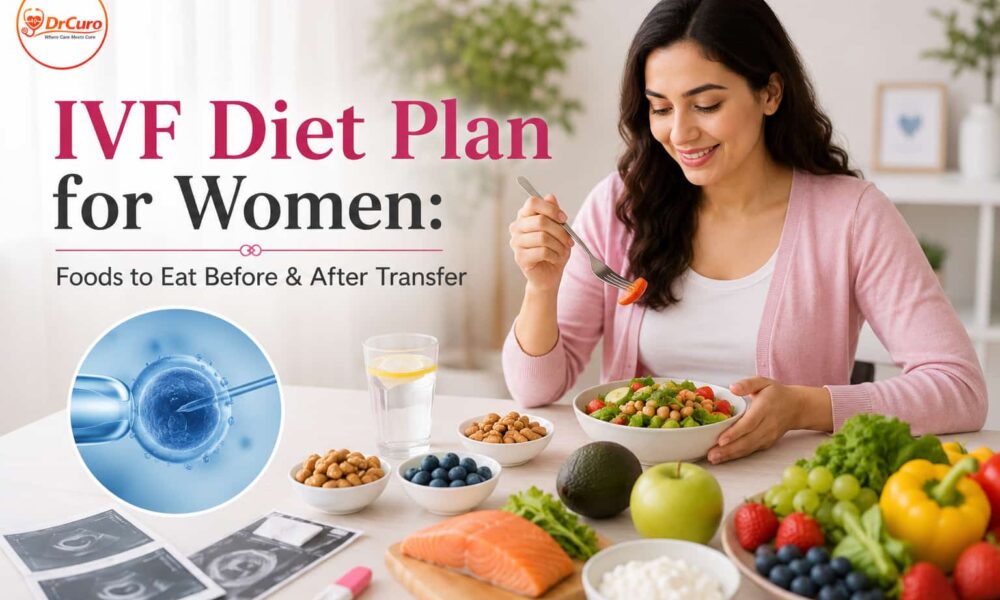
Starting an IVF journey is one of the biggest emotional and physical commitments a woman can make. During IVF treatment in India, your diet becomes far more than daily nutrition it becomes a powerful way to support hormone balance, egg quality, implantation, and your body’s overall response to treatment. At Dr Curo, we believe a carefully planned IVF diet for women can play an important role in improving treatment outcomes and supporting a healthier fertility journey.
Table Of Content
- Why Does Your Diet Matter So Much in IVF?
- 6 Key Nutrients Every IVF Woman Needs
- IVF Diet Plan Before Embryo Transfer
- Best Foods to Eat Before Transfer
- Foods to Avoid Before Transfer
- IVF Diet Plan After Embryo Transfer
- Best Foods to Eat After Transfer
- Sample 1-Day Meal Plan After Transfer
- Foods to Strictly Avoid After Transfer
- The Mediterranean Diet & IVF — What Research Says
- Hydration During IVF — Often Ignored, Always Important
- Supplements to Discuss With Your Doctor
- Note From Dr Curo
Food is not an afterthought during IVF. It is a co-treatment. Every meal you eat either supports or works against your fertility goals. This guide will walk you through exactly what to eat before and after your embryo transfer with simple, practical advice you can start using today.
Why Does Your Diet Matter So Much in IVF?
IVF places huge demands on your body. Hormonal stimulation, egg retrieval, embryo transfer, and implantation all require specific nutrients to work well. Research consistently shows that women who follow a nutrient-rich, anti-inflammatory diet have:
- Better egg quality
- Higher fertilisation rates
- Improved uterine lining thickness
- Better embryo implantation success
- Lower rates of miscarriage
The IVF diet plan for women is not a fad diet. It is a clinical-level nutritional strategy that works alongside your medical treatment. Small, consistent dietary changes can make a real difference to your IVF success.
6 Key Nutrients Every IVF Woman Needs
Before looking at specific foods, understand the nutrients that matter most during IVF:
| Nutrient | Why It Matters | Best Food Sources |
| Folate (Vitamin B9) | Supports cell division, prevents birth defects | Spinach, lentils, eggs, fortified cereals |
| Omega-3 Fatty Acids | Reduces uterine inflammation, improves egg quality | Salmon, sardines, walnuts, flaxseed |
| CoQ10 (Coenzyme Q10) | Boosts mitochondrial energy in eggs | Beef, sardines, spinach, supplements |
| Vitamin D | Low levels linked to lower implantation success | Sunlight, egg yolk, fatty fish, fortified milk |
| Antioxidants (Vit C & E) | Protects eggs from oxidative damage | Berries, almonds, citrus fruits, sunflower seeds |
| Iron & Zinc | Supports healthy ovulation and hormone production | Red meat, pumpkin seeds, chickpeas, lentils |
Dr Curo Tip: Get your Vitamin D and Iron levels tested before starting IVF. Deficiencies are extremely common and directly impact your results.
IVF Diet Plan Before Embryo Transfer
The period before your embryo transfer during stimulation and egg retrieval is when your body needs the most nutritional support. The goal is to optimise egg quality, reduce inflammation, and build a thick, healthy uterine lining.
Best Foods to Eat Before Transfer
- Leafy greens (spinach, kale, methi) — Rich in folate, iron, and antioxidants that protect developing eggs
- Fatty fish (salmon, sardines, mackerel) — Omega-3s reduce inflammation and improve uterine receptivity
- Whole eggs — Loaded with choline, CoQ10, and B vitamins essential for egg health
- Berries (blueberries, pomegranate, strawberries) — Powerful antioxidants that fight oxidative stress on eggs
- Nuts and seeds (walnuts, sunflower seeds, flaxseed) — Healthy fats, zinc, and selenium for hormone balance
- Whole grains (brown rice, quinoa, oats) — Maintain stable blood sugar and support insulin sensitivity
- Lean protein (chicken, lentils, chickpeas) — Supports hormone production and recovery after egg retrieval
- Full-fat dairy (yoghurt, paneer) — Full-fat dairy is linked to better ovulatory function than low-fat versions
Foods to Avoid Before Transfer
- Processed and packaged foods — High in trans fats that damage egg quality
- Sugar and refined carbs (white bread, biscuits, soft drinks) — Cause insulin spikes that disrupt hormones
- Alcohol — Even small amounts can reduce IVF success rates significantly
- Excess caffeine — Limit to 1 small cup of tea or coffee per day maximum
- Raw or undercooked foods — Risk of bacterial infection during a sensitive time
- Soy in large quantities — Contains phytoestrogens that may interfere with hormone treatment
IVF Diet Plan After Embryo Transfer
After your embryo transfer, your body enters the implantation window the most delicate phase of the entire IVF process. Your diet now shifts from building egg quality to supporting implantation and early pregnancy.
The focus is on: warmth, nourishment, anti-inflammation, and gentle digestion.
Best Foods to Eat After Transfer
- Pineapple core — Contains bromelain, an enzyme that may support implantation by reducing inflammation in the uterus. Eat small amounts for the first 5 days after transfer
- Warm, cooked foods — Warm soups, khichdi, and stews are easier to digest and support uterine warmth according to Ayurvedic and traditional fertility wisdom
- Protein-rich foods (eggs, dal, paneer, chicken) — Essential for cell growth and early embryo development
- Complex carbohydrates (sweet potato, brown rice, banana) — Keep blood sugar stable and provide steady energy
- Avocado — Rich in folate, Vitamin K, and healthy monounsaturated fats that support early cell development
- Leafy greens — Continue spinach and methi for folate and iron
- Probiotic foods (curd, yoghurt) — Support gut health, which is directly linked to immune function and implantation
- Hydrating foods (coconut water, cucumber, watermelon) — Staying well-hydrated supports uterine blood flow
Sample 1-Day Meal Plan After Transfer
| Time | Meal |
| Early Morning | Warm water with lemon + 5 soaked almonds |
| Breakfast | Vegetable poha or oats with banana and a boiled egg |
| Mid Morning | A small bowl of pineapple core (first 5 days) or fruit of choice |
| Lunch | Brown rice + dal + sabzi (palak or methi) + curd |
| Evening Snack | Handful of walnuts + warm turmeric milk |
| Dinner | Khichdi or light vegetable soup + roti + paneer/chicken |
| Before Bed | Warm milk with a pinch of saffron |
Foods to Strictly Avoid After Transfer
This phase is critical. What you avoid is just as important as what you eat.
| Avoid | Reason |
| Alcohol | Toxic to early embryo, reduces implantation chances |
| Caffeine (high amounts) | Linked to reduced blood flow to uterus |
| Raw papaya, pineapple in excess | Can cause uterine contractions |
| Very spicy food | May cause digestive stress and bloating |
| Cold and frozen foods | May reduce uterine warmth and blood circulation |
| Processed meats | High in nitrates and preservatives harmful to early cells |
| High-mercury fish (tuna, swordfish) | Mercury is toxic to developing embryos |
The Mediterranean Diet & IVF — What Research Says
One of the most studied dietary patterns for IVF success is the Mediterranean diet. Multiple clinical studies, including research published in Human Reproduction, show that women who follow a Mediterranean-style diet in the months before IVF have:
- Up to 40% higher chance of clinical pregnancy
- Better embryo development rates
- Lower inflammation markers
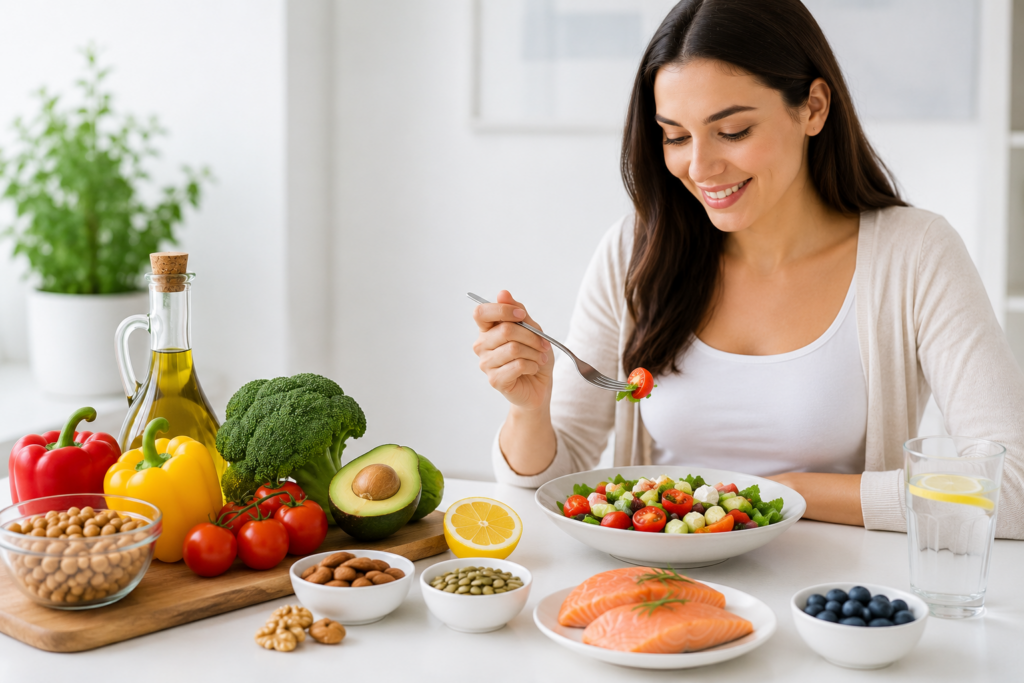
Core principles of the Mediterranean IVF diet:
- Eat plenty of vegetables, fruits, legumes, and whole grains
- Use olive oil as your primary fat
- Eat fish 2–3 times per week
- Limit red meat to 1–2 times per week
- Avoid processed foods, sugar, and refined carbs
- Include nuts and seeds daily
Dr Curo recommends adapting the Mediterranean approach to suit Indian eating habits replacing olive oil with cold-pressed coconut or mustard oil, using dal and sabzi as your legume and vegetable base, and including local seasonal fruits over imported ones.
Hydration During IVF — Often Ignored, Always Important
Most women focus on food but forget water. During IVF, especially after egg retrieval, you are at risk of Ovarian Hyperstimulation Syndrome (OHSS), which causes bloating and fluid imbalance. Good hydration:
- Reduces OHSS symptoms
- Supports uterine blood flow
- Helps your body process hormonal medications
- Prevents constipation (a common IVF side effect)
Drink at least 2–3 litres of water daily. Coconut water is an excellent addition as it naturally replenishes electrolytes.
Supplements to Discuss With Your Doctor
Alongside your IVF diet plan, certain supplements are commonly recommended. Always confirm with your Dr Curo specialist before starting any supplement.
| Supplement | Benefit | Typical Dose |
| Folic Acid / Methylfolate | Neural tube protection, cell division | 400–800 mcg/day |
| CoQ10 (Ubiquinol) | Egg quality, mitochondrial health | 200–600 mg/day |
| Vitamin D3 | Implantation support | As per blood test levels |
| Omega-3 Fish Oil | Anti-inflammatory, egg membrane | 1–2 g/day |
| Vitamin E | Uterine lining thickness | 400 IU/day |
| Iron | If deficient, supports oxygenation | As prescribed |
Note From Dr Curo
Your body is remarkably capable. With the right IVF diet plan for women, the right medical team, and consistent self-care, you give yourself the strongest possible foundation for success.
At Dr Curo, we support women through every stage of their fertility journey not just medically, but holistically. Nutrition is one of the most powerful tools in your hands, and it is entirely within your control.
Remember:
- Start eating well at least 3 months before your IVF cycle if possible
- Focus on whole, unprocessed, anti-inflammatory foods
- Stay hydrated every single day
- Avoid alcohol, processed foods, and excess caffeine completely
- Consult your Dr Curo specialist before making major dietary changes or adding supplements
You are doing something extraordinary. Nourish yourself like it.

No Comment! Be the first one.