






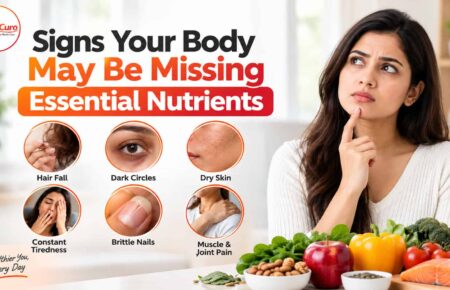
Signs Your Body May Be Missing Essential Nutrients
Our body needs a mix of vitamins, minerals, protein, healthy fats, and other nutrients to work properly every day. These nutrients help keep our energy levels up, protect our immunity, support...

Our body needs a mix of vitamins, minerals, protein, healthy fats, and other nutrients to work properly every day. These nutrients help keep our energy levels up, protect our immunity, support healthy skin and hair, build strong bones, and keep our brain working well. When the body does not get enough of a nutrient for a long time, it starts showing small signs. These signs are easy to miss because they often look like normal tiredness, ordinary hair fall, dry skin, or a low mood.
Table Of Content
- What Are Essential Nutrients?
- Common Signs Your Body May Be Missing Essential Nutrients
- 1. Constant Tiredness and Low Energy
- 2. Hair Fall or Thinning Hair
- 3. Pale Skin or Pale Appearance
- 4. Muscle Weakness or Cramps
- 5. Frequent Illness or Slow Recovery
- 6. Dry Skin
- 7. Mouth Ulcers or Cracks Around the Lips
- 8. Brittle or Weak Nails
- 9. Poor Concentration or Brain Fog
- 10. Numbness or Tingling
- 11. Bone or Joint Discomfort
- 12. Slow Wound Healing
- 13. Changes in Vision, Especially at Night
- 14. Changes in Appetite or Taste
- Nutrient Deficiencies and Their Possible Signs
- Why Nutrient Deficiency Happens
- How to Get More Essential Nutrients Through Food
- When Should You Consider Nutrient Testing?
- Should You Take Vitamin Supplements?
- Simple Daily Habits for Better Nutrition
- Nutrient Deficiency: Quick Signs to Watch For
- Final Thoughts
It is important to know that one symptom alone does not always mean you have a deficiency. Similar signs can also happen because of stress, poor sleep, dehydration, hormonal changes, or other health issues. A balanced diet is usually the best way to get most nutrients, and supplements should only be taken when a doctor recommends them based on your needs.
What Are Essential Nutrients?
Essential nutrients are things our body needs but cannot make enough of on its own. This means we must get them from food, and sometimes from supplements. They include vitamins, minerals, protein, healthy fats, and water.
Common essential nutrients include:
- Iron
- Vitamin D
- Vitamin B12
- Calcium
- Folate
- Vitamin C
- Vitamin A
- Zinc
- Magnesium
- Protein
- Omega-3 fatty acids
- Iodine
Common Signs Your Body May Be Missing Essential Nutrients
1. Constant Tiredness and Low Energy
Feeling tired after a busy day is normal. But if you feel exhausted even after enough sleep, your diet may be missing certain nutrients. Iron, vitamin B12, and folate all help make healthy blood cells and support normal energy levels.
You may notice:
- Feeling tired most of the day
- Low energy during normal activities
- Weakness
- Trouble concentrating
- Headaches
- Feeling dizzy
2. Hair Fall or Thinning Hair
Some hair fall every day is normal. But noticeable thinning or extra shedding can sometimes be linked to low protein, iron, zinc, or vitamin D. Crash diets and skipping meals can make this worse.
Nutrients important for healthy hair include:
- Protein
- Iron
- Zinc
- Vitamin D
- Vitamin B12
3. Pale Skin or Pale Appearance
Looking unusually pale can sometimes be linked to low iron, vitamin B12, or folate, since these nutrients help make healthy red blood cells. It may also come with tiredness, weakness, or dizziness.
4. Muscle Weakness or Cramps
Muscles need enough protein, minerals, and fluids to work normally. Low magnesium, calcium, potassium, or vitamin D may lead to weakness or cramps.
You may notice:
- Frequent muscle cramps
- Unusual weakness
- Muscle fatigue
- Tingling sensations
- Trouble doing normal physical activities
5. Frequent Illness or Slow Recovery
Vitamin C, vitamin D, zinc, and protein all help support a healthy immune system. If you often fall sick or take longer to recover, your diet may need more of these nutrients.
6. Dry Skin
Dry skin can happen because of weather or harsh soaps, but it can also point to low protein, healthy fats, or water intake.
Support healthy skin by including:
- Fruits and vegetables
- Nuts and seeds
- Adequate protein
- Healthy fats
- Enough fluids
7. Mouth Ulcers or Cracks Around the Lips
Repeated mouth ulcers or cracked lips can sometimes be linked to low iron, vitamin B12, or folate. Occasional ulcers are normal, but frequent ones are worth checking.
8. Brittle or Weak Nails
Weak or brittle nails may happen when the diet lacks enough iron or protein, especially in people with restricted diets.
9. Poor Concentration or Brain Fog
Trouble focusing or remembering things can sometimes be linked to low vitamin B12, folate, or iron, all of which support brain and nerve function.
10. Numbness or Tingling
A “pins and needles” feeling in the hands and feet is often connected to low vitamin B12, since it plays a key role in nerve health.
11. Bone or Joint Discomfort
Vitamin D and calcium are important for strong bones. Low levels may lead to muscle weakness or bone discomfort over time.
12. Slow Wound Healing
The body needs protein, vitamin C, and zinc for normal tissue repair. Wounds that take longer than usual to heal may point to low levels of these nutrients.
13. Changes in Vision, Especially at Night
Vitamin A supports normal vision. A shortage may cause trouble seeing clearly in low light.
Good dietary sources include:
- Carrots
- Sweet potatoes
- Spinach
- Eggs
- Dairy products
14. Changes in Appetite or Taste
Zinc plays a role in normal taste and smell. A sudden change in appetite or taste may sometimes be linked to low zinc levels.
Nutrient Deficiencies and Their Possible Signs
| Nutrient | Possible Signs of Deficiency | Common Food Sources |
| Iron | Tiredness, weakness, pale skin, dizziness | Lentils, beans, leafy greens, meat, fortified foods |
| Vitamin B12 | Tiredness, weakness, numbness or tingling | Milk, dairy, eggs, fish, meat |
| Vitamin D | Muscle weakness, bone discomfort | Sunlight, fortified foods, fatty fish, eggs |
| Calcium | Muscle cramps, poor bone health | Dairy, tofu, leafy greens |
| Folate | Tiredness, anaemia, mouth changes | Leafy greens, beans, citrus fruits |
| Vitamin C | Poor wound healing, gum problems | Citrus fruits, guava, tomatoes |
| Zinc | Taste changes, poor wound healing | Meat, dairy, beans, nuts, seeds |
| Magnesium | Muscle cramps or weakness | Nuts, seeds, whole grains, leafy greens |
| Vitamin A | Vision problems in low light | Carrots, leafy greens, eggs, dairy |
| Protein | Muscle loss, weakness, poor recovery | Eggs, dairy, pulses, beans, fish |
| Iodine | Thyroid-related problems | Iodized salt, dairy, seafood |
Why Nutrient Deficiency Happens
Nutrient deficiencies do not always happen just because someone eats unhealthy food. There can be several reasons behind them.

Common reasons include:
- Eating a very limited diet
- Frequently skipping meals
- Following restrictive diets without proper planning
- Poor appetite
- Rapid weight loss
- Increased nutritional needs, such as during pregnancy
- Certain digestive or absorption problems
- Long-term use of some medicines
- Heavy menstrual blood loss
How to Get More Essential Nutrients Through Food
Try to include:
- Vegetables: Add different coloured vegetables to your meals
- Fruits: Choose whole fruits rather than relying only on juices
- Protein: Include pulses, beans, eggs, dairy, fish, or chicken
- Whole grains: Choose oats, whole wheat, brown rice, or millets
- Nuts and seeds: Add reasonable portions daily
- Healthy fats: Include nuts, seeds, and suitable cooking oils
- Dairy or alternatives: Choose milk, curd, or fortified options
- Fluids: Drink enough water throughout the day
When Should You Consider Nutrient Testing?
Not everyone needs a large panel of vitamin and mineral tests. Testing should generally be based on your symptoms, diet, medical history, and a doctor’s advice.
Depending on your symptoms, a doctor may consider tests such as:
- Complete blood count (CBC)
- Iron studies or ferritin
- Vitamin B12
- Folate
- Vitamin D
- Calcium
- Thyroid tests
Should You Take Vitamin Supplements?
Supplements can help when a deficiency is confirmed or a doctor identifies a higher need. But taking several supplements without knowing if you need them is not always helpful, since more is not always better.
Before taking supplements:
- Identify why you may need them
- Discuss your symptoms with a doctor
- Consider appropriate testing when recommended
- Follow the recommended dose
- Do not replace a balanced diet with supplements
Simple Daily Habits for Better Nutrition
Simple habits to follow:
- Do not skip meals regularly
- Include vegetables in your main meals
- Eat whole fruits regularly
- Add a protein source to your meals
- Choose a variety of foods instead of repeating the same ones
- Include nuts and seeds in reasonable portions
- Drink enough water
- Avoid highly restrictive diets unless medically necessary
- Do not start high-dose supplements without professional advice

Nutrient Deficiency: Quick Signs to Watch For
| Body Sign | Nutrients That May Be Relevant | Other Possible Causes |
| Constant tiredness | Iron, B12, folate | Poor sleep, stress, anaemia, illness |
| Hair fall | Iron, protein, zinc, vitamin D | Hormonal changes, thyroid issues, stress |
| Muscle cramps | Magnesium, calcium, vitamin D | Dehydration, exercise, medicines |
| Mouth ulcers | B12, folate, iron | Stress, irritation, infections |
| Poor wound healing | Protein, zinc, vitamin C | Diabetes, infection, poor circulation |
| Numbness/tingling | Vitamin B12 | Diabetes, nerve problems, medicines |
| Brittle nails | Iron, protein | Trauma, fungal infection |
| Poor concentration | Iron, B12, folate | Poor sleep, stress, dehydration |
| Bone discomfort | Vitamin D, calcium | Other bone and medical conditions |
| Taste changes | Zinc | Infections, medicines, other causes |
Final Thoughts
Your body often gives you signals when something is not quite right. Constant tiredness, hair fall, weak nails, muscle cramps, mouth changes, poor concentration, or slow wound healing may sometimes be linked to inadequate nutrition. But these signs are not specific to nutrient deficiencies, and assuming every symptom is caused by a vitamin or mineral problem can delay the correct diagnosis.
The best approach is to focus on a varied, balanced diet and pay attention to symptoms that continue or interfere with daily life. When necessary, a healthcare professional can help identify whether a nutrient deficiency is actually present and whether testing or supplementation is appropriate. With reliable information and the right guidance, drcuro aims to help people understand their health and make informed choices about nutrition, wellness, and everyday care.





No Comment! Be the first one.