







PCOS and Infertility: Understanding the Connection
Introduction Polycystic Ovary Syndrome, commonly known as PCOS, is one of the most common hormonal problems found in women today. It affects the way the ovaries work and often creates trouble in...
Introduction
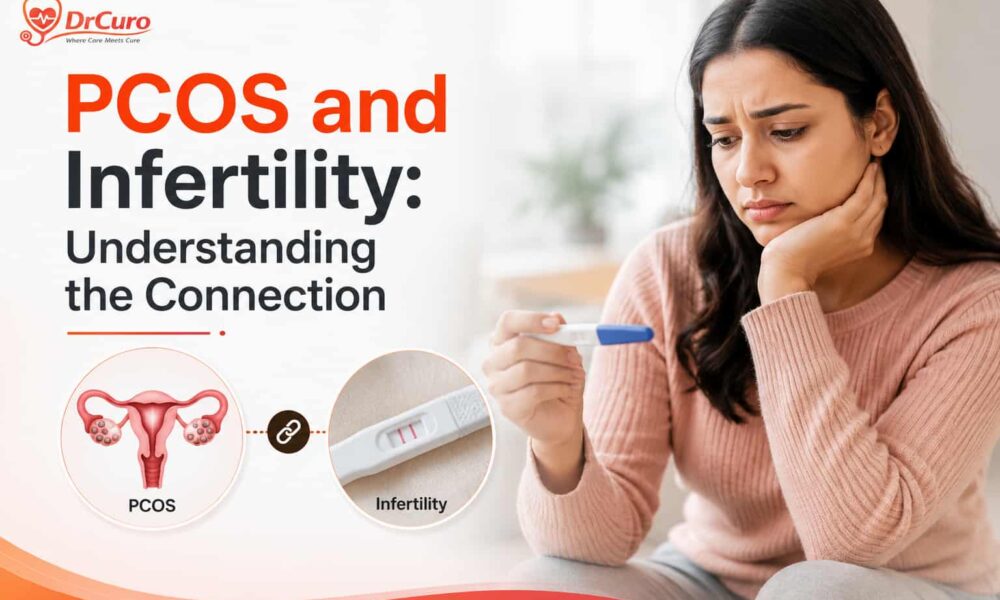
Polycystic Ovary Syndrome, commonly known as PCOS, is one of the most common hormonal problems found in women today. It affects the way the ovaries work and often creates trouble in getting pregnant. Many women struggle for months, sometimes years, trying to understand why they are not conceiving, only to later find out that PCOS is the hidden reason behind it. This condition disturbs the normal hormone balance in the body, which directly affects ovulation, egg quality, and menstrual cycles. When ovulation does not happen properly, natural pregnancy becomes difficult. However, PCOS does not mean that motherhood is out of reach. With the right diagnosis, healthy lifestyle changes, and proper medical support, most women with PCOS are able to conceive successfully. Improving fertility and women health together is the key to managing PCOS in the long run, and understanding this connection is the first step toward a healthy pregnancy journey.
Table Of Content
- Introduction
- What Is PCOS?
- How Does PCOS Affect Fertility?
- Warning Signs You Should Not Ignore
- Why Ovulation Stops in PCOS
- Insulin Resistance and PCOS
- Can Women With PCOS Get Pregnant Naturally?
- Medical Treatment Options for PCOS Infertility
- Fertility Treatment Options Explained
- Emotional Side of PCOS and Infertility
- Pregnancy Risks With PCOS
- Simple Tips to Boost Fertility With PCOS
- When Should You Visit a Fertility Specialist?
- Conclusion
What Is PCOS?
PCOS is a hormonal disorder that mainly affects women during their reproductive years. In this condition, the ovaries produce higher amounts of male hormones called androgens. This hormonal imbalance disturbs the normal growth and release of eggs.
Common signs of PCOS include:
- Irregular or missed periods
- Trouble with ovulation
- Small cysts on the ovaries
- Sudden weight gain
- Extra hair on face or body
- Acne and oily skin
- Hair fall or thinning
- Difficulty getting pregnant
PCOS does not only affect fertility. It also impacts metabolism, skin health, weight, and emotional wellbeing, making it important to treat the condition as a whole rather than just one symptom.
How Does PCOS Affect Fertility?
The biggest reason PCOS causes infertility is disturbed ovulation. In a normal cycle, one mature egg is released every month. In PCOS, hormone imbalance often stops the egg from maturing or releasing on time, which lowers the chances of pregnancy.
| PCOS Problem | Effect on Fertility |
| Irregular ovulation | Fewer chances to conceive |
| No ovulation | Pregnancy becomes very hard |
| Hormone imbalance | Poor egg quality |
| Insulin resistance | Disturbs reproductive hormones |
| Weight gain | Lowers fertility rate |
| Inflammation | Affects reproductive organs |
Because ovulation becomes unpredictable, it is hard to track fertile days, which is one of the biggest struggles for women trying to conceive naturally.
Warning Signs You Should Not Ignore
Many women ignore early PCOS symptoms, thinking they are normal. Paying attention to your body early can save years of stress later.
- Periods that come after 35 days or more
- Missed periods for months
- Trying for a baby for over a year with no result
- Weight gain around the belly
- Extra facial or body hair
- Acne that does not go away
- Dark skin patches on neck or underarms
- Thinning hair on the scalp
If you notice two or more of these signs together, it is best to speak with a fertility doctor early instead of waiting.
Why Ovulation Stops in PCOS
Ovulation is the most important part of the pregnancy process, and PCOS directly interferes with it.
- High androgen levels disturb ovary function
- Insulin resistance affects hormone signals
- Eggs do not mature fully
- Eggs stay trapped inside the ovary
- Periods become irregular or stop
When ovulation does not happen regularly, natural conception becomes a long and frustrating process for many couples.
Insulin Resistance and PCOS
A large number of women with PCOS also deal with insulin resistance, where the body does not respond properly to insulin. This forces the pancreas to make even more insulin, which worsens hormone imbalance.
| Effect of Insulin Resistance | Result |
| Higher androgen levels | Irregular periods |
| Weight gain | Harder to lose weight |
| Poor hormone balance | Reduced ovulation |
| Long-term risk | Higher chance of diabetes |
Managing insulin resistance through food, movement, and medicine can bring a big improvement in fertility results.
Can Women With PCOS Get Pregnant Naturally?
Yes, many women with PCOS do conceive naturally, though it may take more time and patience compared to others.
Simple ways to improve natural fertility:
- Maintain a healthy weight
- Eat a balanced, clean diet
- Stay active with daily exercise
- Reduce stress as much as possible
- Sleep for 7 to 8 hours
- Track your ovulation cycle
- Avoid smoking and alcohol
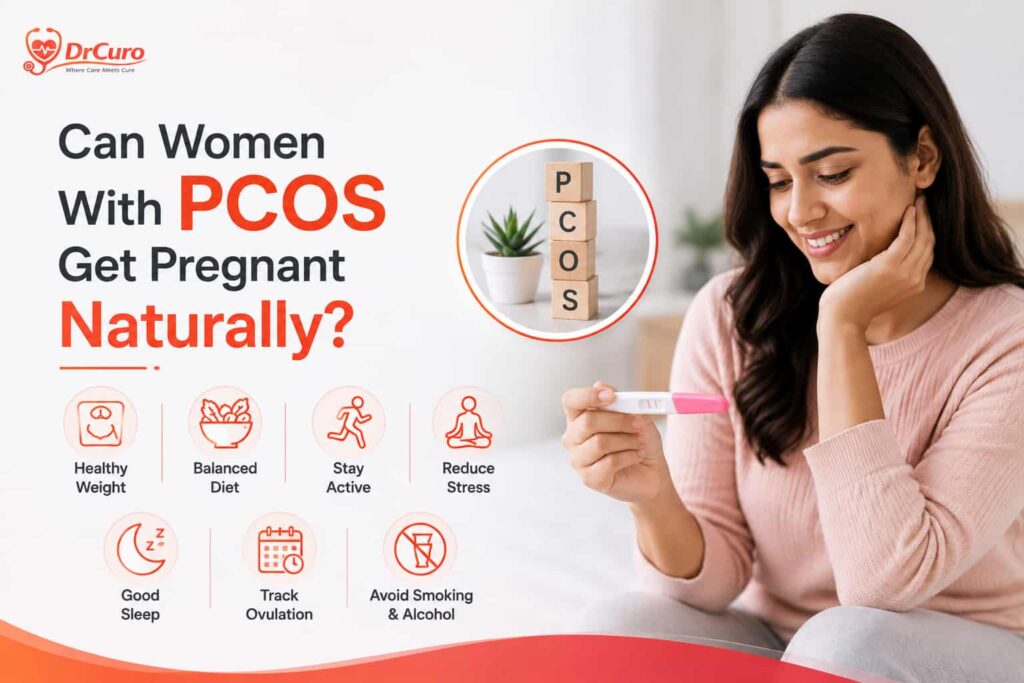
Even losing just 5 to 10 percent of body weight can help restart ovulation in many women, showing how powerful small lifestyle changes can be for fertility and women health.
Medical Treatment Options for PCOS Infertility
When lifestyle changes alone are not enough, doctors recommend medical treatment based on individual needs.
| Treatment | Purpose |
| Ovulation induction medicine | Helps release the egg |
| Metformin | Improves insulin response |
| Hormonal therapy | Regulates periods |
| Lifestyle guidance | Supports natural fertility |
| Advanced fertility treatment | Increases pregnancy chances |
Fertility Treatment Options Explained
Ovulation Induction – Medicines are given to help the ovaries release eggs on time.
IUI (Intrauterine Insemination) – Healthy sperm is placed directly inside the uterus during ovulation.
IVF (In Vitro Fertilization) – The egg is fertilized outside the body and then placed back into the uterus.
| Treatment | Best Suited For |
| Ovulation medicine | Mild PCOS cases |
| IUI | Moderate fertility issues |
| IVF | Complex infertility cases |
Emotional Side of PCOS and Infertility
Struggling to conceive can affect mental health just as much as physical health. Many women silently deal with:
- Anxiety and worry
- Sadness or low mood
- Constant stress
- Low confidence
- Strain in relationships
- Fear about the future
Talking openly with family, friends, or a counselor, along with support from fertility experts, can make this journey much easier to handle.
Pregnancy Risks With PCOS
Most women with PCOS go on to have healthy pregnancies, but there can be slightly higher risks that need proper care.
- Gestational diabetes
- High blood pressure
- Preterm delivery
- Higher miscarriage risk
- Other pregnancy complications
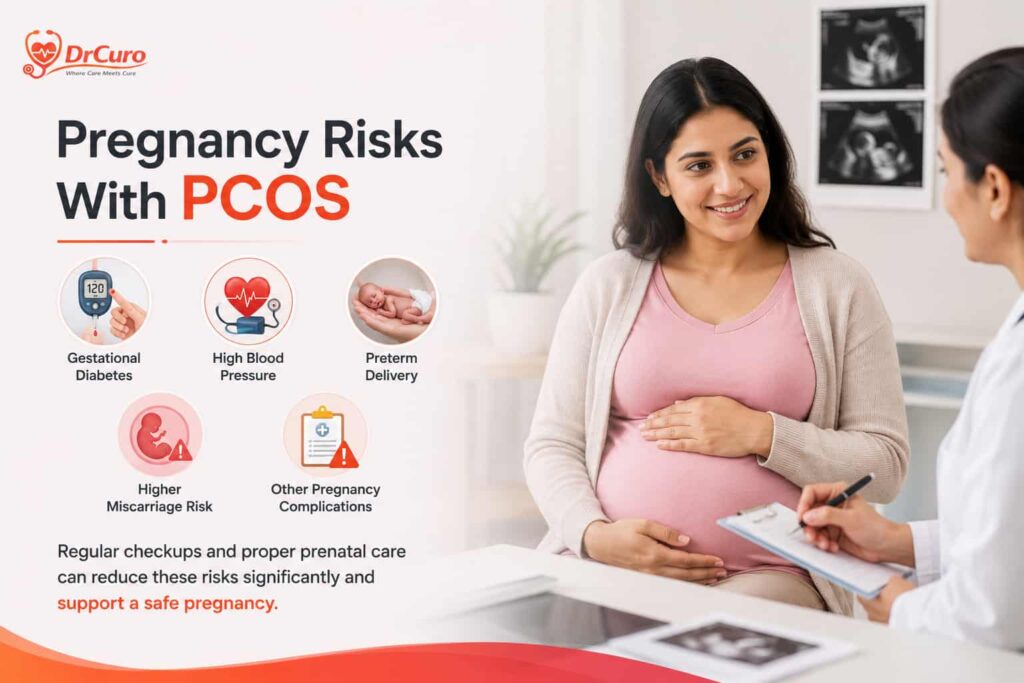
Regular checkups and proper prenatal care can reduce these risks significantly and support a safe pregnancy.
Simple Tips to Boost Fertility With PCOS
- Track your periods every month
- Keep your weight in a healthy range
- Exercise for at least 30 minutes daily
- Follow your doctor’s advice properly
- Take medicines on time
- Go for regular fertility checkups
- Manage stress with yoga or meditation
- Stay focused on long-term health
When Should You Visit a Fertility Specialist?
You should consider seeing a specialist if:
- Your periods are irregular
- You have been trying for over a year
- You are above 35 and trying for 6 months
- You already know you have PCOS
- You have faced repeated pregnancy loss
Early action almost always leads to better and faster results.
Conclusion
PCOS is a common hormonal condition, but it does not have to stand in the way of your dream of becoming a parent. With the right diagnosis, healthy lifestyle habits, and timely medical treatment, most women with PCOS are able to conceive and have a safe pregnancy. Taking care of your fertility and women health early makes a real difference in the long run. At Drcuro, our experienced fertility specialists provide caring, personalized, and advanced treatment options to help women with PCOS achieve a healthy and successful pregnancy. If you are facing PCOS-related infertility, reach out to Drcuro today and take the first step toward building your family.




No Comment! Be the first one.