






Heart Attack First Aid: What to Do in an Emergency
Would you know how to respond if someone around you suddenly showed signs of a heart attack? In such emergencies, every second counts. At Dr Curo, we frequently encounter cases where delays in taking...
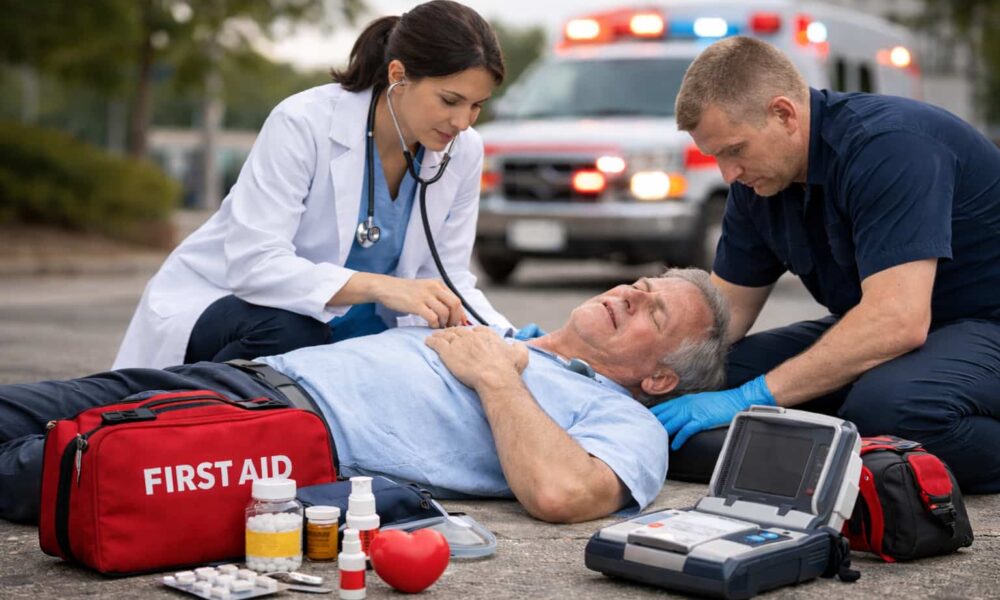
Would you know how to respond if someone around you suddenly showed signs of a heart attack? In such emergencies, every second counts. At Dr Curo, we frequently encounter cases where delays in taking the right action lead to more serious outcomes. Understanding the correct heart attack first aid steps can truly make the difference between life and death.
Table Of Content
- What is a Heart Attack?
- Why Immediate Action is Critical
- How Common are Heart Attacks in India?
- Heart Attack vs Cardiac Arrest — Simple Comparison
- Heart Attack First Aid Steps — Explained in Detail
- Step 1 — Recognise the Warning Signs
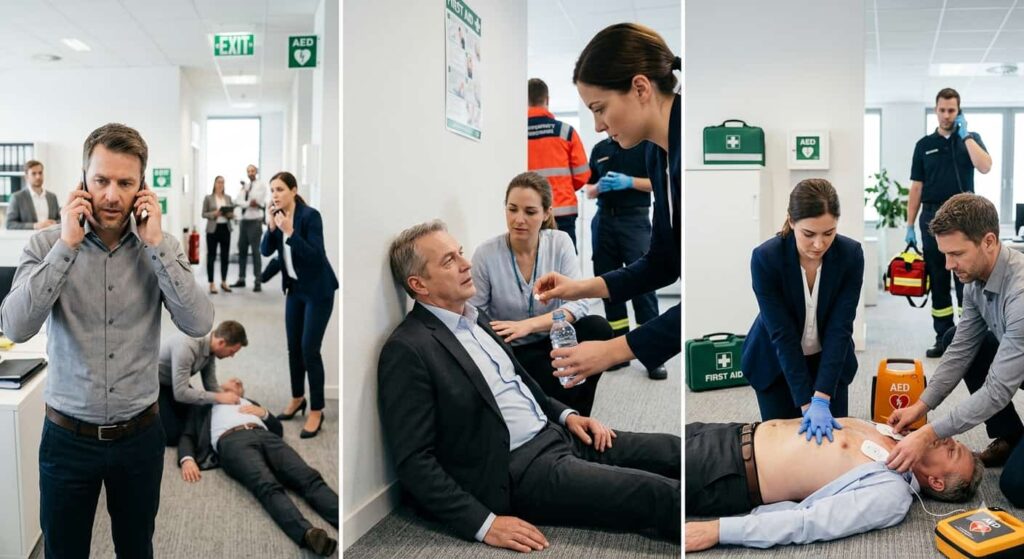
- Step 2 — Call Emergency Medical Help Immediately
- Step 3 — Keep the Person Calm and Seated
- Step 4 — Give Aspirin (If Advised)
- Step 5 — Loosen Tight Clothing
- Step 6 — Monitor Breathing and Pulse
- Step 7 — Start CPR if the Person Becomes Unconscious
- Step 8 — Use an AED if Available
- Step 9 — Do Not Leave the Person Alone
- Step 10 — Provide Information to Medical Professionals
- Common Mistakes to Avoid During a Heart Attack
- Who Is at Higher Risk of Heart Attack in India?
- Emergency Tests and Treatment After Hospital Arrival
- Cost of Emergency Cardiac Care in India
- Risks and Complications if Untreated
- Emotional Impact of a Heart Attack Emergency
- How Quickly Does Treatment Need to Start?
- Tips to Reduce Heart Attack Risk
- Frequently Asked Questions
- Dr Curo is With You Every Step
A heart attack can strike without warning, even in individuals who seem perfectly healthy. Early recognition and immediate action are crucial to protect the heart muscle and reduce the risk of life-threatening complications. Seeking timely care at a trusted heart care hospital India can also play a vital role in improving survival and recovery.
This guide clearly explains the essential heart attack first aid steps, how to identify the warning signs, and what actions to take helping you stay prepared and act confidently during an emergency.
What is a Heart Attack?
A heart attack (medically called myocardial infarction) occurs when blood flow to a part of the heart is blocked.
This blockage is usually caused by a clot in the coronary arteries, preventing oxygen from reaching the heart muscle. Without oxygen, heart tissue begins to die within minutes.
The faster blood flow is restored, the greater the chance of survival and recovery.
At Dr Curo, early intervention is the most critical factor in saving lives during a heart attack.
Why Immediate Action is Critical
Heart attack first aid steps must be taken immediately because:
- Heart muscle damage begins within minutes
- Delays increase risk of death
- Early action improves survival rates significantly
- Quick treatment reduces long-term complications
The first hour after a heart attack often called the “golden hour” is the most important.
How Common are Heart Attacks in India?
Heart disease is a leading cause of death in India:
- Cardiovascular diseases account for a large percentage of deaths
- Heart attacks are occurring at younger ages (30s–40s)
- Lifestyle factors like stress, diet, and inactivity contribute heavily
- Many emergencies occur at home, not in hospitals
Awareness of heart attack first aid steps is still low making education extremely important.
Heart Attack vs Cardiac Arrest — Simple Comparison
| Feature | Heart Attack | Cardiac Arrest |
| Cause | Blocked blood flow | Electrical failure of heart |
| Person conscious? | Usually yes (initially) | Often unconscious |
| Pulse | Present | Absent |
| Treatment | Urgent medical care | Immediate CPR/AED |
| Severity | Serious | Immediately life-threatening |
Understanding the difference helps in applying the correct first aid steps.
Heart Attack First Aid Steps — Explained in Detail
Step 1 — Recognise the Warning Signs
Early recognition is the first and most important step.
Common symptoms include:
- Chest pain or pressure
- Pain spreading to arm, jaw, or back
- Shortness of breath
- Sweating
- Nausea or dizziness
Step 2 — Call Emergency Medical Help Immediately
Do not wait or try to manage the situation alone.
Call emergency services immediately and clearly describe the symptoms.
Step 3 — Keep the Person Calm and Seated
Help the person sit down and rest.
A semi-reclined position reduces strain on the heart.
Step 4 — Give Aspirin (If Advised)
If the person is conscious and not allergic, a doctor may advise chewing aspirin.
Aspirin helps thin the blood and improve flow to the heart.
Step 5 — Loosen Tight Clothing
Tight clothing can restrict breathing and circulation.
Loosen collars, belts, or tight garments.
Step 6 — Monitor Breathing and Pulse
Keep checking:
- Breathing pattern
- Level of consciousness
- Pulse
Be ready to act if the condition worsens.
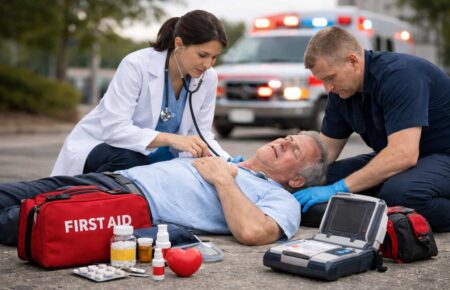
Step 7 — Start CPR if the Person Becomes Unconscious
If the person collapses and stops breathing:
- Begin chest compressions immediately
- Push hard and fast in the centre of the chest
CPR keeps blood flowing to vital organs until help arrives.
Step 8 — Use an AED if Available
An Automated External Defibrillator (AED) can restart the heart.
Follow the device instructions carefully.
Step 9 — Do Not Leave the Person Alone
Stay with the person at all times.
Continuous monitoring ensures immediate response if the condition changes.
Step 10 — Provide Information to Medical Professionals
When help arrives, share:
- Symptoms observed
- Time of onset
- Any medication given
This helps doctors begin treatment quickly.
Common Mistakes to Avoid During a Heart Attack
- Ignoring symptoms or waiting too long
- Giving food or drink
- Letting the person walk or exert themselves
- Driving instead of calling emergency services
- Panicking instead of acting quickly
At Dr Curo, awareness of correct heart attack first aid steps helps avoid these critical mistakes.
Who Is at Higher Risk of Heart Attack in India?
- People with high blood pressure
- Diabetes patients
- Smokers
- Overweight individuals
- Sedentary lifestyle
- High stress levels
- Family history of heart disease
Emergency Tests and Treatment After Hospital Arrival
- ECG (electrocardiogram)
- Blood tests (cardiac enzymes)
- Angiography
- Angioplasty or stent placement
At Dr Curo, rapid diagnosis ensures faster life-saving treatment.
Cost of Emergency Cardiac Care in India
| Service | Approximate Cost |
| Emergency consultation | ₹1,000 – ₹5,000 |
| ECG and initial tests | ₹1,500 – ₹5,000 |
| Angiography | ₹15,000 – ₹40,000 |
| Angioplasty (stent) | ₹1,50,000 – ₹3,50,000 |
Timely first aid can reduce the severity and cost of treatment.
Risks and Complications if Untreated
- Heart failure
- Irregular heartbeat (arrhythmia)
- Cardiac arrest
- Death
Immediate action significantly reduces these risks.
Emotional Impact of a Heart Attack Emergency
Witnessing or experiencing a heart attack can be overwhelming:
- Fear and panic
- Anxiety about recurrence
- Emotional stress for family members
At Dr Curo, post-emergency care includes emotional support and counselling.
How Quickly Does Treatment Need to Start?
- Within minutes: First aid should begin
- Within 1 hour: Critical treatment window
- Within hours: Medical intervention essential
The faster the response, the better the outcome.
Tips to Reduce Heart Attack Risk
- Maintain a healthy diet
- Exercise regularly
- Control blood pressure and sugar
- Avoid smoking
- Manage stress
- Get regular health check-ups
Prevention is always better than emergency care.
Frequently Asked Questions
Q1. What is the first step in a heart attack emergency?
Recognising symptoms and calling emergency help immediately.
Q2. Can a heart attack happen without chest pain?
Yes, especially in women and diabetics.
Q3. Is aspirin always safe during a heart attack?
Only if the person is not allergic and advised by a professional.
Q4. How long can a person survive without treatment?
Delays significantly increase risk immediate action is critical.
Q5. Can first aid really save a life?
Yes. Proper heart attack first aid steps can dramatically improve survival chances.
Dr Curo is With You Every Step
Knowing the right heart attack first aid steps can save a life possibly someone close to you.
Emergencies do not come with warnings, but preparation makes all the difference. Acting quickly, staying calm, and following the correct steps can protect the heart and improve survival.
At Dr Curo, we believe awareness is the first step toward prevention and protection. From emergency guidance to long-term cardiac care, we are committed to supporting you at every stage.
If you or your loved ones are at risk, do not wait. Learn the signs, stay prepared, and take control of your heart health.
Dr Curo is here with the expertise, care, and commitment you can trust in critical moments.





No Comment! Be the first one.