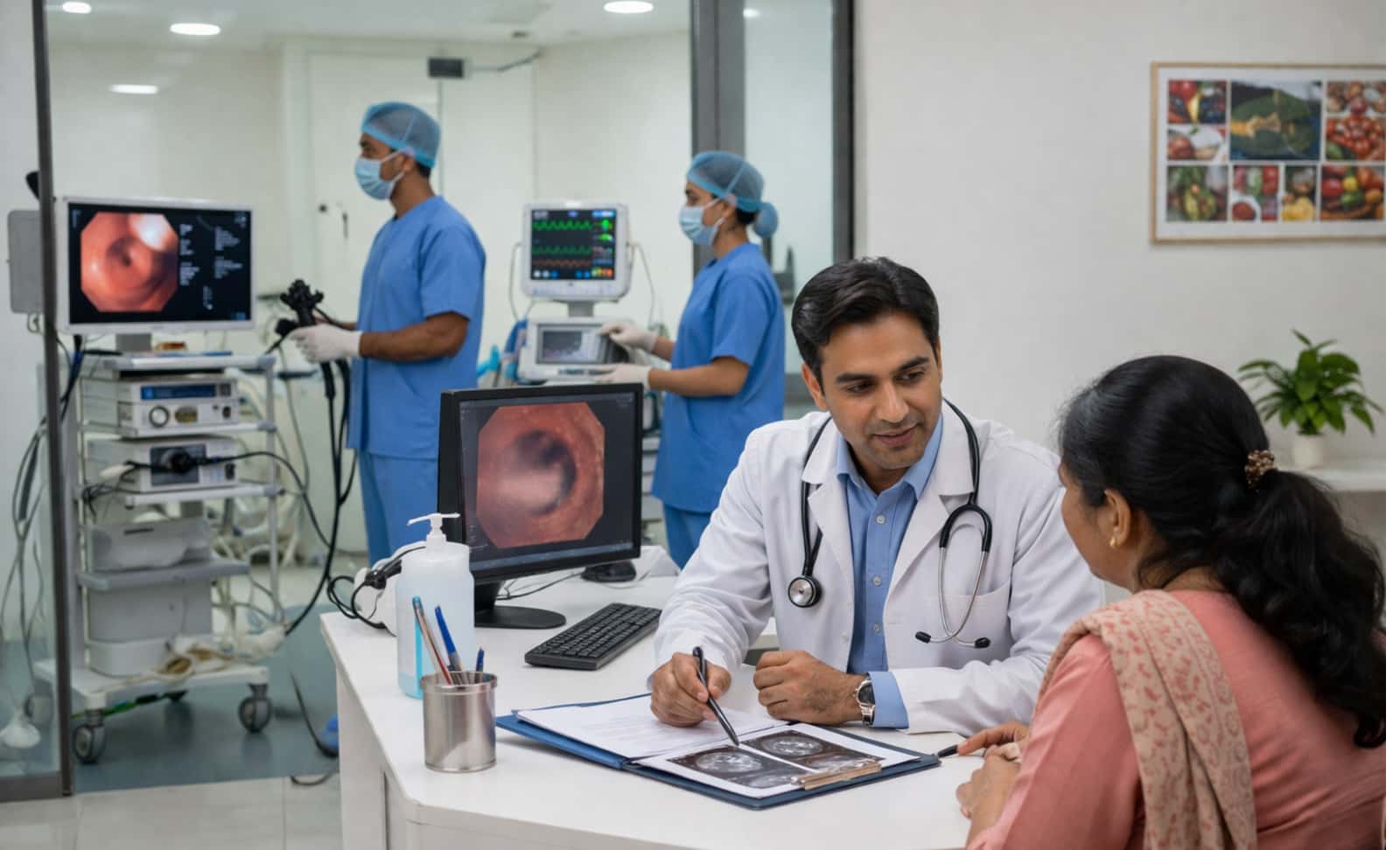
The digestive system is one of the most complex and overlooked systems in the human body. From the moment food enters your mouth to the moment waste leaves your body, a remarkable chain of biological events takes place – and when any part of that chain breaks down, the effects ripple through your entire health.
Digestive disorders are among the most common reasons Indians visit a doctor. Acidity, bloating, fatty liver, IBS, and haemorrhoids affect millions of people across all age groups – yet many suffer in silence, assuming these are normal parts of life. They are not. They are medical conditions, and with the right gastroenterology treatment in India, most of them are highly manageable.
At Dr Curo, our gastroenterology team offers comprehensive diagnosis and treatment for the full spectrum of digestive and liver conditions – from common gut complaints to complex inflammatory bowel disease and liver disorders.
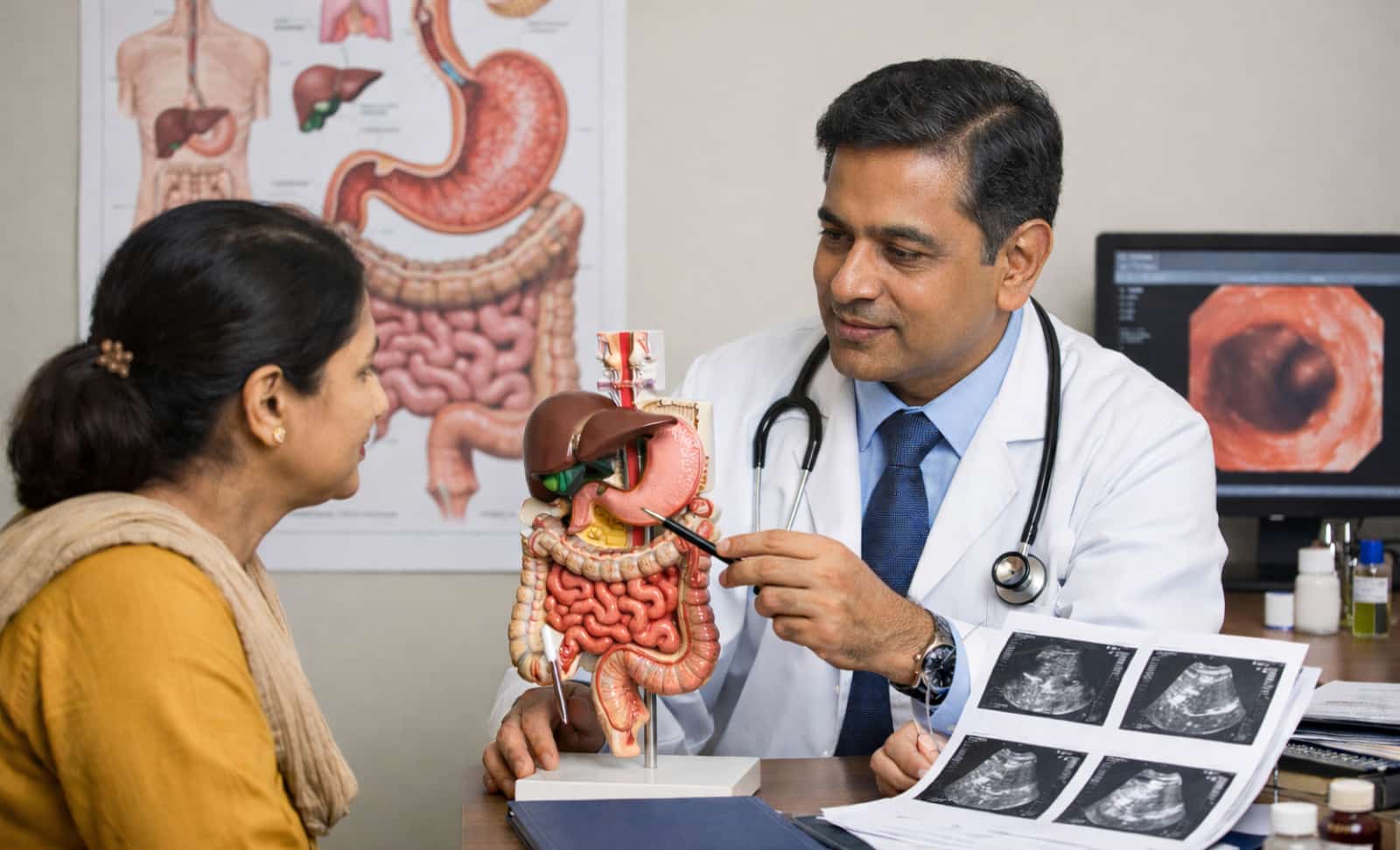
Gastroenterology is the branch of medicine that deals with the digestive system and its disorders. This includes the oesophagus, stomach, small intestine, large intestine, rectum, liver, gallbladder, bile ducts, and pancreas.
A gastroenterologist is a physician who specialises in diagnosing and treating conditions affecting these organs – from acid reflux and peptic ulcers to liver cirrhosis and colorectal cancer screening.
Read: Digestive Disease Specialist India – When to See a Gastroenterologist
Read: Gastroenterologist Near Me – How to Choose the Right Specialist
Acid Reflux and GERD: Gastroesophageal Reflux Disease is one of the most prevalent digestive complaints in urban India. Chronic acid reflux damages the oesophageal lining and significantly affects quality of life.
Read: Acid Reflux Treatment India – From Lifestyle Changes to Medical Management
Read: GERD Symptoms and Treatment – When Heartburn Becomes a Medical Problem
Stomach Pain: Abdominal pain is one of the most common yet diagnostically complex symptoms in gastroenterology. The cause can range from simple gas to serious conditions requiring urgent attention.
Read: Stomach Pain Causes and Treatment – A Diagnostic Guide
Read: Abdominal Pain Diagnosis Tests – What Your Doctor Will Order and Why
Irritable Bowel Syndrome (IBS): IBS is a functional gut disorder characterised by chronic abdominal pain, bloating, and altered bowel habits. It is one of the most commonly misdiagnosed digestive conditions in India.
Read: IBS Treatment India – A Practical Management Plan for Indian Patients
Read: Spastic Colon Treatment – Understanding the IBS-Spastic Colon Connection
Read: IBD vs IBS Difference – Two Conditions That Are Frequently Confused
Stomach Ulcers: Peptic ulcers – sores in the stomach or duodenal lining – are frequently caused by H. pylori infection or long-term use of NSAIDs.
Read: Stomach Ulcer Treatment Diet – What to Eat and What to Strictly Avoid
Pylori Infection: Helicobacter pylori is a bacterial infection that affects the stomach lining and is a leading cause of ulcers and gastritis in India. It is highly treatable once diagnosed.
Read: H. Pylori Infection Treatment – Diagnosis, Eradication and Recovery
Constipation: Chronic constipation affects a large proportion of the Indian population and is frequently undertreated or incorrectly managed with laxatives alone.
Read: Constipation Treatment Adults India – Medical and Lifestyle Approaches
Diarrhoea: Acute and chronic diarrhoea have very different causes and management strategies. Self-treatment without diagnosis can delay recovery.
Read: Diarrhoea Treatment Home Remedies – What Works and When to See a Doctor
Bloating: Persistent bloating is not just uncomfortable – it can be a symptom of IBS, food intolerance, gut dysbiosis, or more serious conditions.
Read: Bloating Causes Treatment India – Getting to the Root of the Problem
Nausea: Chronic unexplained nausea deserves proper investigation, not just antacids.
Read: Nausea Chronic Treatment India – Causes, Tests and Treatment Options
Hiatal Hernia: A hiatal hernia occurs when part of the stomach pushes through the diaphragm. It often mimics GERD and requires careful evaluation.
Read: Hiatal Hernia Treatment India – When Surgery Is and Is Not Needed
Appendix Pain: Appendicitis is a surgical emergency but not all right-sided abdominal pain is appendicitis. Accurate diagnosis prevents unnecessary surgery.
Read: Appendix Pain Symptoms Treatment – How to Tell If It Is Appendicitis
Ulcerative Colitis UC is a chronic inflammatory condition of the large intestine that causes ulcers, bleeding, and persistent diarrhoea. With the right medical management, most patients achieve long-term remission.
Read: Ulcerative Colitis Treatment India – Medical Therapy and Long-Term Management
Crohn’s Disease Unlike UC, Crohn’s can affect any part of the digestive tract and requires a more complex, long-term management strategy.
Read: Crohn’s Disease Management India – A Comprehensive Patient Guide
1. Fatty Liver Disease Non-alcoholic fatty liver disease (NAFLD) and its more serious form NASH are rapidly increasing in India, driven by obesity, sedentary lifestyles, and poor diet.
Read: Fatty Liver Treatment in India – Lifestyle and Medical Approaches
Read: NASH Treatment Latest India – Emerging Therapies and Current Standards
2. Jaundice Jaundice in adults signals underlying liver, bile duct, or blood disorder and requires urgent investigation.
Read: Jaundice Treatment in Adults – Causes, Tests and Recovery
3. Liver Cirrhosis Advanced liver disease resulting from chronic damage requires careful dietary and medical management to slow progression and prevent complications.
Read: Liver Cirrhosis Diet Management – What to Eat When the Liver Is Under Stress
4. Liver Function Tests Understanding your liver test results is essential for tracking disease progression and treatment response.
Read: Liver Function Test Normal Range – How to Read and Interpret Your Results
5. Liver Transplant For end-stage liver disease, transplantation remains the definitive treatment.
Read: Liver Transplant India Cost – What the Full Process Involves
6. Pancreatitis Inflammation of the pancreas can be acute or chronic and requires specialised nutritional and medical management.
Read: Pancreatitis Treatment Recovery – Acute and Chronic Management Explained
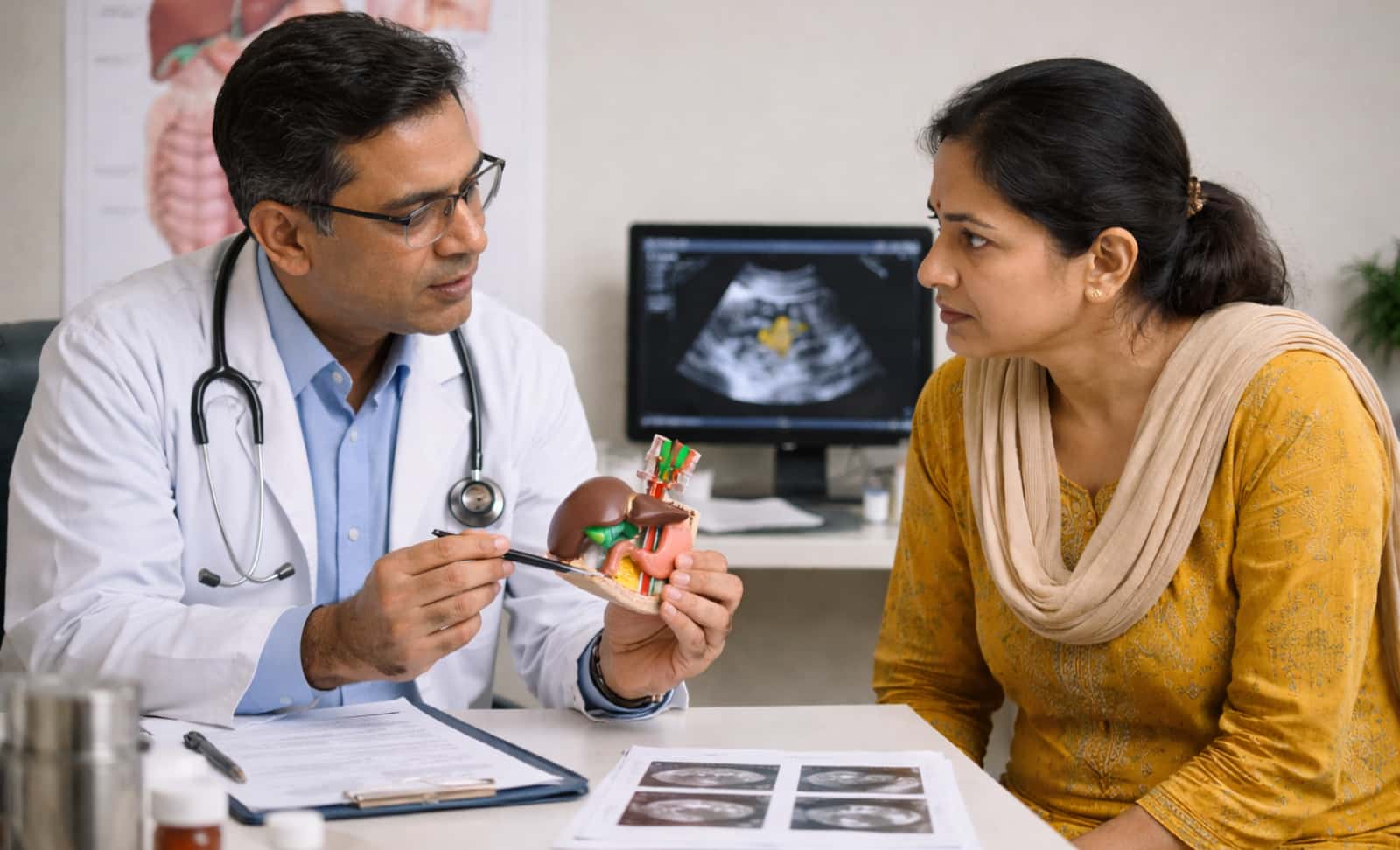
Gallstones Gallstones are extremely common in India and range from asymptomatic to severely painful. Treatment depends on size, symptoms, and complications.
Read: Gallstones Treatment Options India – From Observation to Surgery
Post-Cholecystectomy Diet After gallbladder removal, dietary adjustments help the digestive system adapt.
Read: Post-Cholecystectomy Diet – What to Eat After Gallbladder Removal
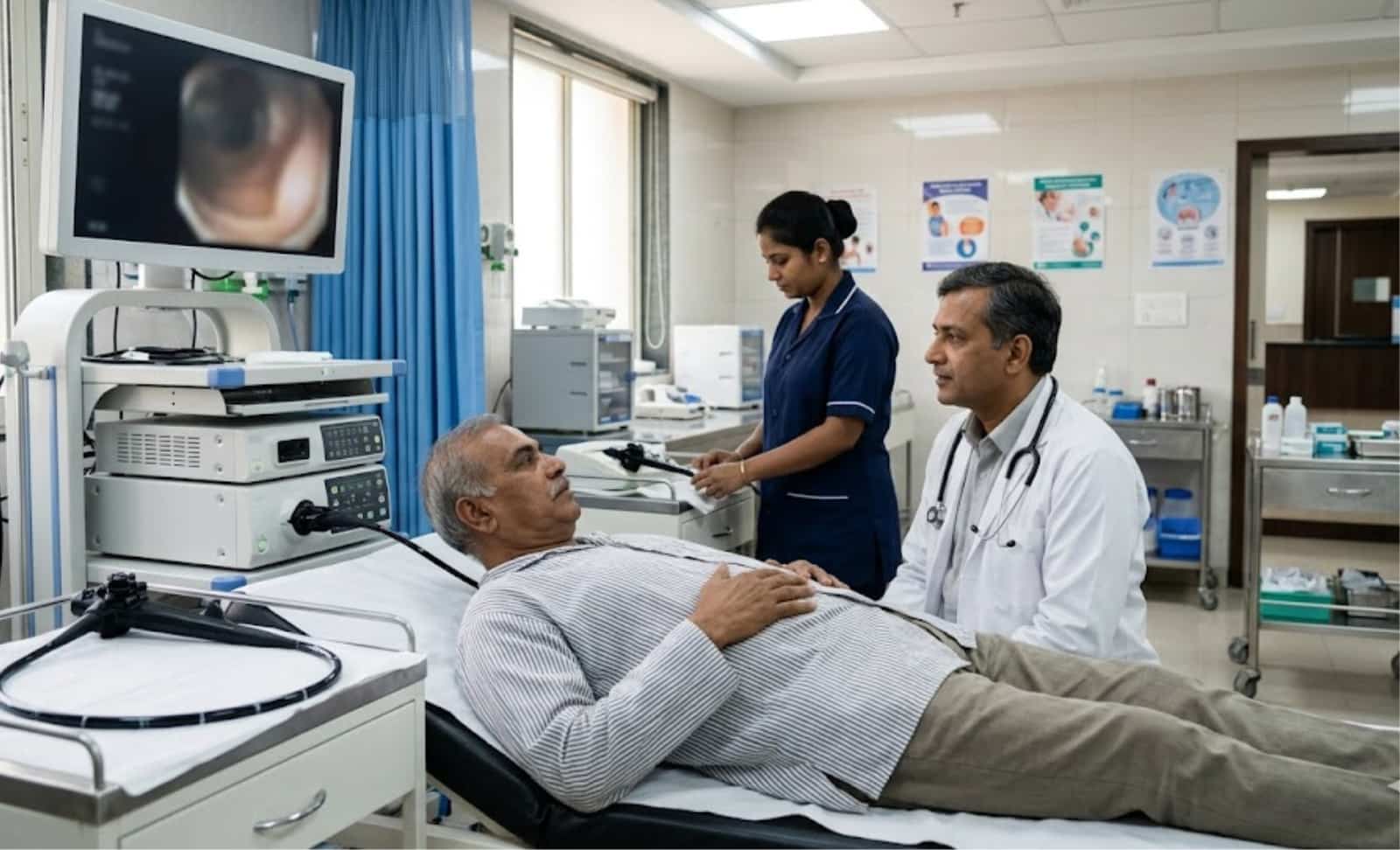
1. Endoscopy Upper GI endoscopy allows direct visualisation of the oesophagus, stomach, and duodenum.
Read: Endoscopy Procedure Cost India – What to Expect Before, During and After
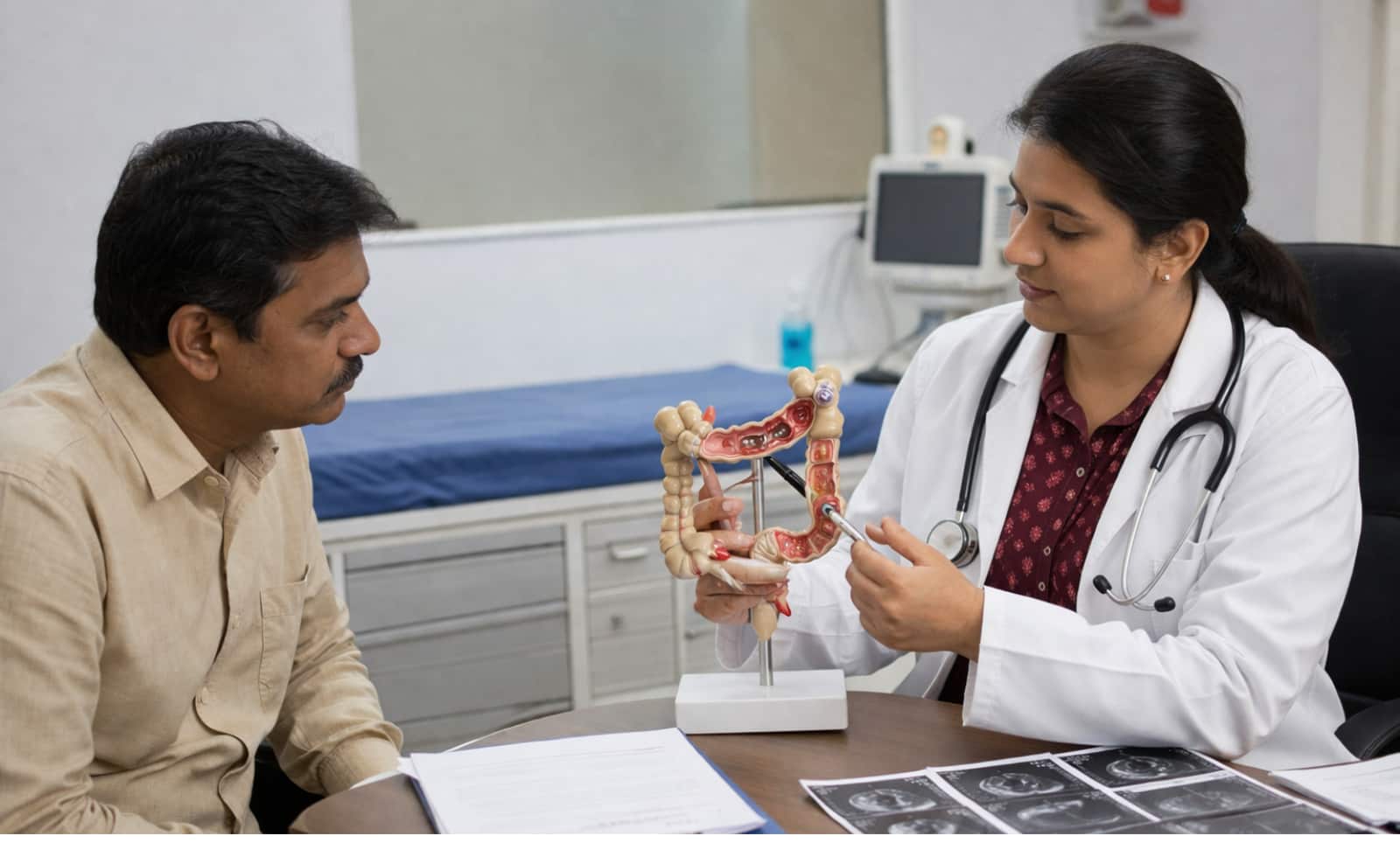
2. Colonoscopy A colonoscopy examines the entire large intestine and is the gold standard for colorectal cancer screening and polyp detection.
Read: Colonoscopy Procedure India – Preparation, Process and What It Reveals
Read: Colon Polyp Removal India – When Polyps Are Found and What Happens Next
3. Gastroscopy vs Colonoscopy Many patients are confused about which procedure they need and why.
Read: Gastroscopy vs Colonoscopy Difference – Which Procedure Does What
4. Stool Tests Stool analysis can reveal infections, bleeding, inflammation, and malabsorption.
Read: Stool Test Types Gastroenterology – What Each Test Diagnoses
5. Cancer Screening Early detection saves lives in gastrointestinal cancers.
Read: Gastrointestinal Cancer Screening – Who Needs It and How Often
Read: Stomach Cancer Early Signs India – Symptoms That Should Never Be Ignored
1. Celiac Disease and Gluten Intolerance Celiac disease is an autoimmune reaction to gluten that damages the small intestine. It is significantly underdiagnosed in India.
Read: Celiac Disease Gluten Intolerance India – Diagnosis and Lifelong Management
2. Lactose Intolerance One of the most common digestive complaints in India, lactose intolerance is manageable with the right dietary approach.
Read: Lactose Intolerance Treatment India – Diet Adjustments and Enzyme Options
3. Food Intolerance Testing Beyond lactose and gluten, multiple food sensitivities can disrupt digestion. Testing helps identify specific triggers.
Read: Food Intolerance Testing India – What Tests Are Available and Who Needs Them
1. Gut Microbiome: The trillions of bacteria living in your gut influence digestion, immunity, mood, and metabolic health.
Read: Gut Microbiome India Research – What We Now Know About the Indian Gut
2. Probiotics: Probiotic supplementation can be valuable for specific gut conditions when used correctly.
Read: Probiotics for Gut Health India – Which Strains Work for Which Conditions
3. Enzymes: Some patients benefit from enzyme supplementation, particularly after pancreatic illness or gut surgery.
Read: Digestive Enzyme Supplements India – Who Actually Needs Them
4. Gut Health Supplements:
Read: Gut Health Supplements India 2026 – What the Evidence Supports
5. Gut Health Foods:
Read: Digestive Health Foods India – What to Eat for a Healthier Gut
6. Gut Health Tips:
Read: Gut Health Improvement Tips India – Daily Habits That Make a Real Difference
1. Water and Digestion:
Read: Drinking Water Effect on Digestion – How Hydration Shapes Gut Function
2. Fasting and Gut Health:
Read: Fasting and Gut Health Benefits – What Happens to Your Digestive System When You Fast
3. Yoga for Digestion:
Read: Yoga for Digestive Health – Poses and Practices With Evidence Behind Them
Haemorrhoids: Commonly called piles – affect a large proportion of Indian adults. They are treatable and there is no reason to live with the discomfort.
Read: Hemorrhoids Piles Treatment India – From Conservative Care to Procedures
For patients with obesity-related digestive conditions such as GERD, fatty liver, or type 2 diabetes, bariatric surgery can deliver life-changing results.
Read: Gastric Sleeve Surgery India Cost – What the Procedure Involves and What to Expect
The cost of gastroenterology treatment in India depends on the condition, the investigations required, and whether procedures are involved.
Service | Approximate Cost (INR) |
Initial gastroenterology consultation | ₹600 – ₹1,500 |
Upper GI endoscopy | ₹3,000 – ₹8,000 |
Colonoscopy | ₹5,000 – ₹12,000 |
Liver function test panel | ₹800 – ₹2,000 |
H. pylori test and treatment | ₹2,000 – ₹6,000 |
Gallstone surgery (laparoscopic) | ₹60,000 – ₹1,20,000 |
Liver transplant (full) | ₹15,00,000 – ₹30,00,000 |
Digestive health problems are often dismissed as minor inconveniences. At Dr Curo, we treat them as what they are – medical conditions that deserve thorough investigation and personalised care.
Read: Online Gastro Consultation India – How to See a Specialist from Home
Q: What conditions does a gastroenterologist treat?
A: A gastroenterologist treats all disorders of the digestive system – including acid reflux, IBS, IBD, liver disease, gallstones, pancreatitis, colorectal polyps, and gastrointestinal cancers.
Q: When should I see a gastroenterologist instead of a general physician?
A: If you have persistent abdominal pain, unexplained weight loss, blood in stool, chronic diarrhoea or constipation, difficulty swallowing, or abnormal liver test results, a gastroenterologist consultation is warranted.
Q: Is an endoscopy painful?
A: Most patients experience minimal discomfort. The procedure is performed under mild sedation in most centres and takes 10–15 minutes.
Q: Can fatty liver be reversed?
A: In most cases of non-alcoholic fatty liver disease, the condition can be significantly improved or reversed through weight loss, dietary changes, and treatment of underlying metabolic conditions.
Q: What is the difference between IBS and IBD?
A: IBS is a functional disorder with no structural damage to the intestine. IBD – including Crohn’s disease and ulcerative colitis – involves chronic inflammation and physical damage to the gut lining. They require very different management approaches.
Q: How often should colorectal cancer screening be done?
A: For average-risk individuals above 45, colonoscopy every 10 years is the standard recommendation. Those with a family history or previous polyps may need more frequent screening.
Q: Can gut health affect overall health?
A: Absolutely. The gut microbiome influences immunity, mood, metabolism, and inflammation throughout the body. Gut health is foundational to overall health.
Digestive problems rarely resolve on their own – and when left unmanaged, many progress to serious conditions. Whether you are dealing with persistent acidity, unexplained stomach pain, a newly diagnosed liver condition, or simply want to understand your gut health better, Dr Curo is here to help.
Book your gastroenterology consultation today – online or in person.
Call us | Chat with us online | Book at drcuro.com/gastro-treatment
Our site uses cookies. By using this site, you agree to the Privacy Policy and Terms of Use.